
Propagation
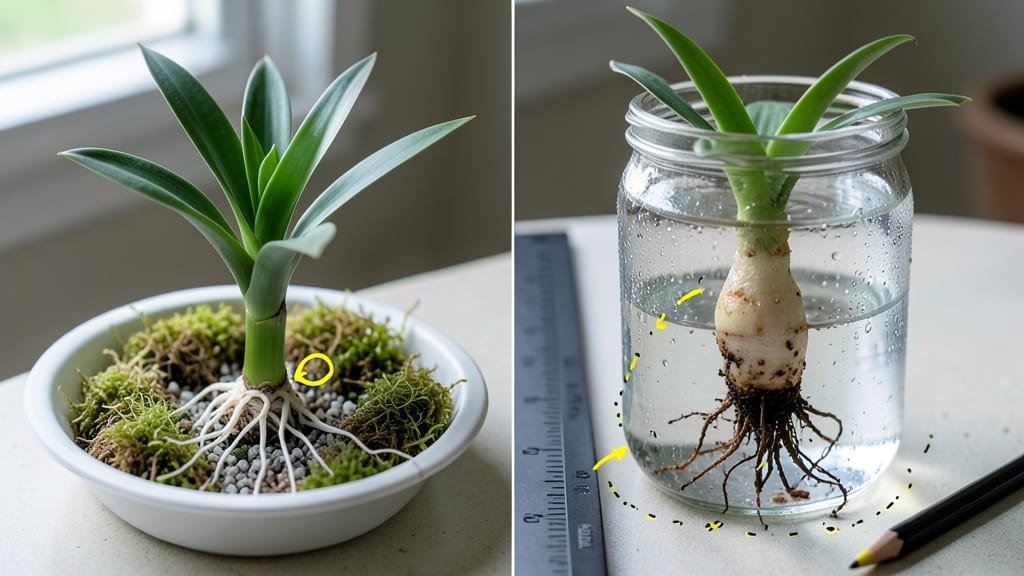
Propagating ti leaf roots is coming in but the trunk is soggy—until that damp mess ruins the party. 🌱 I’ve nursed more than a few ti plants back from this exact problem, and the fix is simpler than you’d think: it’s all about moisture balance and a little plant first aid.
The soggy trunk usually means one of two things: overwatering or poor airflow. Ti leaves love humidity, but their trunks rot when they sit in damp conditions too long.
I’ve found that letting the soil dry slightly between waterings—and trimming any mushy spots with clean scissors—can turn things around in just a few days.
Once you adjust the watering, you’ll see the trunk firm up while those roots keep growing strong. The key is patience: let the plant dry out between drinks, and keep it in bright, indirect light. Within a couple of weeks, you’ll have a sturdy little plant ready to thrive.
This works for both cuttings in water and those starting in soil. The same principles apply whether you’re working with a single leaf or a whole section. Just watch for that soggy warning sign—and act fast!
Rooting Issues Explained
When your ti leaf (Titanopsis calcarea) sends out eager roots but leaves the trunk feeling mushy, it’s usually a sign of imbalanced moisture and oxygen during propagation. Let’s break down the science behind why this happens—and how to correct it.
💦 The Problem: Ti leaves thrive in arid conditions, but soggy trunks often stem from excessive moisture in the propagation medium. When roots start forming, they need oxygen to strengthen, but waterlogged soil (or too-frequent misting) suffocates them.
This creates a rot-prone environment where the trunk absorbs too much water, weakening its structure.
🔬 Why It Happens:
- Poor drainage: If your propagation mix (like perlite, pumice, or sand) retains too much water, roots can’t breathe.
- High humidity without airflow: A sealed container or plastic bag traps moisture, leading to fungal/bacterial rot before roots mature.
- Overzealous watering: Even a few drops too much can drown tender root hairs, causing the trunk to soften.
💡 Fix It: Let the top 1–2 inches of soil dry out completely between waterings. Use a well-draining mix (50% perlite, 30% pumice, 20% coarse sand) and avoid misting unless humidity drops below 40%.
🌱 The Problem: If roots are shallow or underdeveloped, they can’t efficiently transport water and nutrients. This forces the trunk to absorb excess moisture through osmosis, leading to a soggy, weakened structure.
🔬 Why It Happens:
- Insufficient light: Without bright, indirect light (10,000+ lux), roots grow slowly and stay weak.
- Nutrient deficiency: Ti leaves don’t need fertilizer early on, but lack of micronutrients (like phosphorus) can stunt root development.
- Temperature stress: Below 65°F (18°C), root growth slows, making the trunk vulnerable to waterlogging.
💡 Fix It: Place your cutting in full-spectrum grow lights (or a south-facing window) for 12–14 hours/day. If roots are slow, try a light rooting hormone (like Clonex) to boost growth.
🪨 The Problem: Some mediums (like peat moss or coconut coir) hold too much water, while others (like pure sand) drain too fast, starving roots of stability. The ideal mix should balance aeration and moisture retention—but many DIY blends fail this test.
🔬 Why It Happens:
- Compaction: Finely ground soil or garden mix smothers roots, preventing oxygen flow.
- Chemical imbalance: Some potting mixes contain salt or fertilizer residues, which burn tender roots.
- Lack of grit: Without coarse particles (perlite, pumice), roots can’t anchor properly, leading to a top-heavy, soggy trunk.
💡 Fix It: Use a chunky, sterile mix (e.g., 50% perlite + 50% pumice) or a cactus/succulent blend with added coarse sand. Avoid peat-heavy mixes—they compact over time.
🍄 The Problem: Soggy trunks often signal pathogen activity, especially if the area turns dark or smells foul. Fungi like Phytophthora or bacteria like Erwinia thrive in wet, oxygen-poor conditions, rotting the trunk before roots can stabilize.
🔬 Why It Happens:
- Contaminated tools/medium: Reusing dirty scissors or unsterilized soil introduces pathogens.
- Stagnant air: Plastic bags or closed containers trap spores, accelerating rot.
- High humidity without airflow: Even with good drainage, >60% humidity for weeks creates a breeding ground.
💡 Fix It: Sterilize tools with rubbing alcohol before cutting. Propagate in open containers or use a mesh cover for airflow. If rot starts, trim the soggy base with a clean knife and let it dry for 24 hours before replanting in fresh mix.
🛡️ The Problem: Ti leaves need a calloused base (a dry, hardened layer) before rooting to prevent water absorption through the cut end. Without it, the trunk stays too porous, soaking up excess moisture like a sponge.
🔬 Why It Happens:
- Rushed planting: Placing the cutting in soil too soon (before the cut end dries) invites rot.
- High humidity during callusing: If you mist or use a humidity dome before roots form, the trunk stays soft.
💡 Fix It: Let the cut end dry for 1–3 days in a shady, dry spot before planting. Skip the humidity dome until roots appear (usually 2–4 weeks).
A soggy ti leaf trunk is almost always a water + oxygen imbalance. By adjusting medium, light, humidity, and callusing time, you’ll encourage strong roots while keeping the trunk firm and healthy. 🚀
Fixing Soggy Trunks & Boosting Healthy Roots
If your ti leaf cuttings are sprouting roots but sporting a soggy trunk, don’t panic—this is a common hiccup in propagation! The good news? With a few targeted tweaks, you can rescue your plantlets and set them up for long-term success.
Below, we’ve mapped out practical fixes based on the most likely causes, plus prevention tips to keep future propagations on track.
Signs: Trunk feels mushy, water pools at the base, or roots look waterlogged. Why it happens: Too much moisture suffocates the stem, trapping rot before roots can stabilize.
How to fix it:
- 👨🍳 Remove & Inspect Gently pull the cutting from its growing medium (water, soil, or perlite) and rinse off excess moisture with lukewarm water. Trim any blackened or squishy sections of the trunk with sterilized scissors (cut just above healthy tissue).
- 🌡️ Let It Dry & Callous Lay the cutting on a paper towel in a shady, well-ventilated spot (like a bathroom shelf) for 24–48 hours. This lets the wound seal over and prevents further rot.
- 🌱 Replant in Fresh Medium
- For water propagation: Transfer to fresh, room-temperature water (change every 3–4 days) and add a drop of hydrogen peroxide (3%) to deter bacteria.
- For soil/perlite: Use a fast-draining mix (50% perlite, 50% cactus/succulent soil) and skip watering for 5–7 days to let the roots adjust.
💡 Pro Tip: If the trunk was severely soggy, propagate in perlite alone for 2 weeks to force faster root regrowth before adding soil.
Signs: Roots are growing but weak, trunk stays soft, or medium smells funky. Why it happens: Water alone or dense soil can’t support the cutting as it transitions from roots to a sturdy stem.
How to fix it:
- 🔪 Upgrade the Growing Setup
- For water propagators: Switch to a shallow tray with 1–2 inches of water (roots need oxygen, not a swamp!). Add a small air stone for gentle bubbling.
- For soil propagators: Mix in orchid bark or coarse sand (20%) to improve aeration.
- 🌿 Prop Up for Stability Use a toothpick or chopstick to prop the cutting at a slight angle (45°) in the medium. This prevents the trunk from bending under its own weight while roots strengthen.
- ⏰ Gradual Hardening If transitioning from water to soil, dip roots in a rooting hormone (optional) and plant just below the soil line. Avoid watering for 3–5 days to let the cutting acclimate.
💡 Pro Tip: Ti leaf cuttings thrive in humidity (50–70%)—place a humidifier nearby or cover with a plastic bag (remove daily to prevent mold).
Signs: Trunk oozes, smells foul, or roots turn brown/mushy. Why it happens: Contaminated water, old medium, or poor airflow invite pathogens.
How to fix it:
- 🧼 Sterilize Everything
- Water: Boil and cool, or use distilled water.
- Tools: Wash scissors/containers with rubbing alcohol (70%+).
- Medium: Discard old soil/water and sterilize pots in the oven (200°F for 30 mins).
- 🍄 Treat with Fungicide
- Hydrogen peroxide (3%): Soak roots for 10 mins, then rinse.
- Cinnamon powder: Sprinkle on cut ends before replanting (natural antifungal).
- Commercial fungicide: Use Mycorrhizal inoculant or copper-based spray (follow label).
- 🌿 Isolate & Improve Airflow Move the cutting to a bright, indirect spot with a fan (gentle breeze = less humidity buildup). No touching other plants until healed.
💡 Pro Tip: Prevent rot from the start by using sterile tools and fresh medium every propagation cycle.
Want to avoid soggy trunks in the first place?
Follow this foolproof routine: ✅ Use the right water: Tap water can cause buildup—rainwater or filtered water is best. ✅ Size matters: Cuttings should be 3–4 inches long with 2–3 leaves for stability. ✅ Root before repotting: Wait until roots are 1–2 inches long before moving to soil. ✅ Monitor humidity: Ti leaf loves moisture but hates sitting in it—mist lightly, don’t drown. ✅ Rotate cuttings: If growing in water, rotate the container daily to prevent one-sided root growth.
Final Thought: A soggy trunk is a temporary setback, not a death sentence. With these fixes, your ti leaf cuttings will harden off, root stronger, and grow into lush, self-sufficient plants in no time. 🌿✨
Frequently asked questions
Why does my ti leaf cutting get a soggy trunk even when roots are growing?
This happens when the propagation medium stays too wet, suffocating the trunk. Ti leaves need bright light and airflow—without it, roots can't support the plant, and the trunk absorbs too much moisture. Use a 50% perlite/50% pumice mix and let the top 1 inch dry out between waterings.
Can I save a ti leaf cutting if the trunk is already mushy?
Yes! Trim the soggy part with sterilized scissors, let the cut end dry for 24 hours, then replant in fresh perlite-only mix. Avoid watering for 5–7 days to prevent further rot. Most cuttings recover within 2 weeks if the roots are healthy.
Should I use water or soil to propagate ti leaves?
Both work, but soil/perlite mixes reduce soggy trunk risk. If using water, keep it shallow (1–2 inches) and change it every 3–4 days. Add a drop of hydrogen peroxide to prevent bacteria. For faster success, try perlite alone first.
How do I know if my ti leaf cutting has root rot?
Check for dark, mushy trunk or black roots—these are rot signs. If you smell foulness or see ooze, trim affected areas, sterilize tools, and replant in fresh, dry perlite. Keep it in bright, indirect light with good airflow.
How long should I wait before repotting a rooted ti leaf cutting?
Wait until roots reach 1–2 inches long (usually 4–6 weeks). Use a cactus/succulent mix with 30% perlite for drainage. Water lightly after repotting and avoid misting for 1 week to prevent shock.