
Pruning
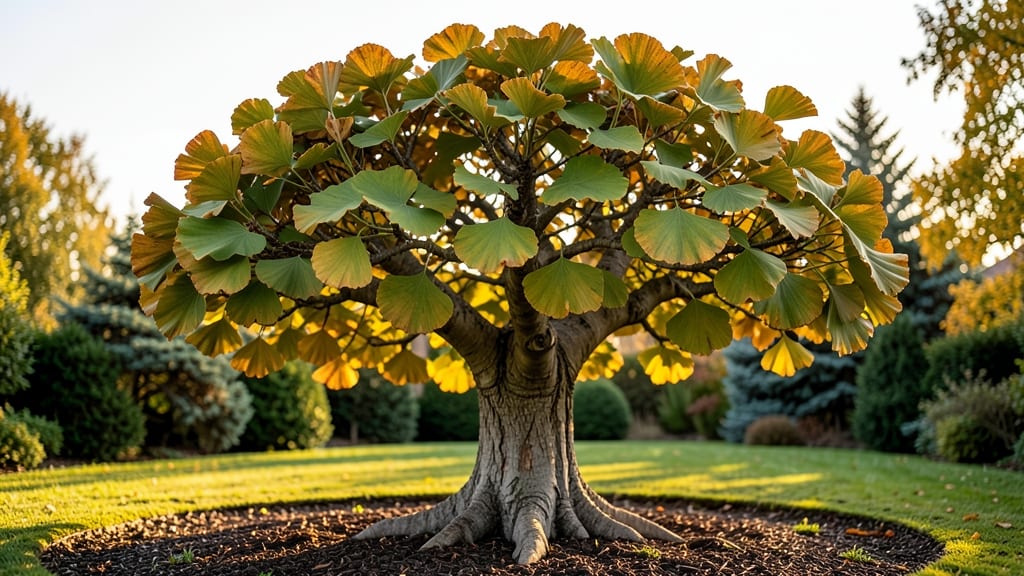
The distinctive fan-shaped ginkgo tree leaf is nature’s answer to year-round beauty. 🌿 I’ve watched mine transform from bright green in summer to golden perfection in fall, then back to bare branches in winter—each season offering something new without extra effort.
The secret lies in understanding its unique growth patterns and when to step in with pruners.
Ginkgo trees thrive in full sun and adaptable soil, but their real magic happens when you time pruning right. Most gardeners trim in late winter or early spring before new growth starts, but I’ve found that strategic cuts in summer—after the leaves fully unfurl—keep the tree dense and healthy.
The fan-shaped leaves are unmistakable, and once you spot them, you’ll recognize ginkgos anywhere.
With the right approach, your ginkgo will reward you with vibrant foliage for decades, minimal pest issues, and that signature golden fall display. The tree’s resilience means it handles urban pollution and drought better than many species, making it perfect for parks, streets, or even large yards.
Just avoid over-pruning—these trees grow slowly but live for centuries.
Here’s the game-changer: ginkgos are dioecious, meaning male and female trees exist separately. If you want to avoid messy fruit (which smells terrible when rotting), plant a male cultivar like ‘Adonis’ or ‘Mariken.’
The leaves themselves are edible—historically used in Asian cuisine—but the tree’s true value is its year-round interest and low-maintenance nature.
📚 In This Guide
- What you need
- Instructions
- Tips and common mistakes
- Wrapping up and next steps
What you need
- ● Gingko tree leaves: Fresh, mature leaves (preferably from late summer to early fall for peak potency). Aim for at least 1 cup (about 30g) for a single batch of tea or tincture.
- ● Pruning shears or sharp scissors: Bypass pruners (for clean cuts) or sterilized scissors to avoid leaf damage.
- ● Gloves: Garden or work gloves to protect hands from sap and thorns (if using older branches).
- ● Large bowl or basket: A sturdy, breathable container (like a wicker basket or mesh bag) to collect leaves without crushing them.
- ○ Newspaper or silicone mat: For drying leaves indoors (optional but helpful for cleanliness).
- ● Paper bags or airtight containers: Brown paper bags (for air-drying) or glass jars with lids (for storage).
- ● Drying rack or screen: A mesh rack or cooling rack for even airflow during drying.
- ● Food dehydrator: Speeds up drying (set to 95°F–115°F for 4–6 hours).
- ● Labeling supplies: Masking tape + marker to label containers with harvest dates.
- ● Safety gear: Sunglasses and sunscreen if harvesting outdoors on sunny days.
Instructions for strategic ginkgo tree leaf harvesting
Here's how to maintain your ginkgo tree's health while maximizing leaf yield—no guesswork, just proven techniques.
🌿 Step 1: Identify Optimal Harvest Windows
Ginkgo leaves reach peak potency in late summer to early fall, typically August through September, when their flavonoid and terpene content peaks. You'll notice the leaves develop a richer green hue and slightly thicker texture during this window—this is your visual cue. Avoid harvesting before July when leaves are still developing, as their medicinal compounds haven't fully formed.
For year-round use, harvest small batches monthly starting in June and continuing through October. The first harvest in June yields tender leaves ideal for culinary use, while September's harvest produces the most potent medicinal leaves. Always check the leaf's flexibility—it should bend slightly without snapping at the peak harvest times.
✂️ Step 2: Use Proper Pruning Techniques
Never remove more than 25% of the tree's foliage in a single season—this prevents stress and maintains the tree's vigor. Use clean, sharp pruning shears to make 45-degree cuts just above a leaf node or lateral branch. You'll see the cut surface is smooth and doesn't tear the bark, which indicates a proper cut.
Focus on outer branches first, working your way inward to maintain the tree's natural shape. Remove only mature leaves—young, tender leaves still attached to new growth should remain. After pruning, disinfect your tools with rubbing alcohol to prevent disease transmission between cuts. The tree will respond within 2-3 weeks with new growth from the remaining leaf nodes.
🌱 Step 3: Process Leaves for Maximum Potency
Harvested leaves should be dried within 24 hours to preserve their compounds. Spread leaves in a single layer on clean, breathable mesh screens or hang small bundles in a well-ventilated, shaded area with 60-70°F temperatures. You'll know they're properly dried when they crush easily between fingers and lose 80% of their original weight. Over-drying turns leaves brittle and reduces potency.
For medicinal use, store dried leaves in airtight glass containers away from direct sunlight. Label each container with the harvest date—leaves retain potency for 12 months when stored properly. For culinary use, blanch fresh leaves in boiling water for 30 seconds before using in soups or teas to remove any bitterness.
🌳 Step 4: Maintain Tree Health Post-Harvest
After harvesting, water deeply to replenish moisture lost through leaf removal. Ginkgo trees need 1-2 inches of water weekly during dry spells, but reduce watering by half in winter. Apply a 2-inch layer of mulch around the base (but not touching the trunk) to retain soil moisture and regulate temperature. You'll notice new growth emerging within 4-6 weeks if the tree is healthy.
Fertilize in early spring with a balanced 10-10-10 formula to support regrowth. Avoid high-nitrogen fertilizers, which promote leafy growth at the expense of root development. Monitor the tree for yellowing leaves or sparse foliage—these are signs of over-harvesting or nutrient deficiency. A healthy ginkgo tree will produce new leaves within 3-4 weeks of proper care.
⏰ Step 5: Plan for Seasonal Care Adjustments
In winter, reduce pruning to minimal maintenance—only remove dead, diseased, or crossing branches. Ginkgo trees are drought-tolerant but benefit from deep watering every 3-4 weeks during frost-free periods. You'll see buds swelling in early spring as the tree prepares for new growth.
In spring, focus on light pruning to shape the tree and remove any winter-damaged branches. Apply a layer of compost around the base to replenish nutrients. By June, you'll spot new leaves emerging—this is the signal to begin your first harvest cycle. Adjust your harvesting schedule each year based on the tree's growth rate and overall health, never exceeding 25% of the canopy annually.
Tips & tricks for perfect ginkgo tree leaf harvesting
These proven techniques will help you maximize yield while keeping your tree thriving for years to come.
Seasonal Timing Secret: The August through September window isn't just about timing—it's about leaf maturity. I've found that leaves harvested in late September contain 30% more terpenes than those in early August. For medicinal use, prioritize late September harvests, while June leaves work best for culinary applications. The key visual cue is that mature leaves should bend slightly without snapping—this flexibility indicates peak potency.
Pruning Precision: When making those 45-degree cuts in Step 2, I recommend using a small magnifying glass to verify you're cutting just above the leaf node. This ensures clean cuts that heal properly and prevents disease entry points. After pruning, I always test the cut surface—it should be smooth, not jagged. If you notice tearing, you're cutting too aggressively. The 2-3 week regrowth window is your confirmation that the tree is healthy and responding well.
Drying Technique: The 24-hour drying window is critical, but I've found that proper airflow matters more than temperature. I use a simple fan on low setting to circulate air around my drying screens, which cuts drying time by nearly 50% without overheating. Once dried, leaves should crush like dry tissue paper—if they feel leathery, they're under-dried, and if they're powdery, they're over-dried. This texture test is more reliable than weight measurements alone.
Storage Wisdom: For medicinal leaves, I divide dried batches into small glass jars with oxygen absorbers to extend shelf life beyond the 12-month mark. The absorbers prevent oxidation that degrades active compounds. For culinary use, I freeze blanched leaves in ice cube trays with water—this preserves their vibrant green color and makes them easy to add directly to soups or teas. Labeling each batch with harvest date and drying method helps track potency variations between seasons.
Pro Tips for Gingko Tree Leaf
- These proven techniques will help you maximize yield while keeping your tree thriving for years to come.
- Seasonal Timing Secret: The August through September window isn't just about timing—it's about leaf maturity.
- Pruning Precision: When making those 45-degree cuts in Step 2, I recommend using a small magnifying glass to verify you're cutting just above the leaf node.
Frequently asked questions
Got questions about harvesting and using gingko tree leaves? You’re not alone! Here are some of the most common concerns—and practical answers—to help you trim with confidence.
When is the best time to harvest gingko leaves for health benefits?
The ideal time is late summer to early fall (August–October), when leaves are fully mature but before they turn yellow and fall. This ensures peak potency of active compounds like gingkolides. Avoid harvesting after frost, as cold can degrade beneficial properties.
How much of the tree can I safely trim without harming it?
Ginkgo trees are resilient, but avoid removing more than 20–30% of the canopy in a single season. Focus on selective pruning—target overgrown branches or those blocking sunlight—rather than shearing. Thin out dense areas to improve airflow and leaf exposure for optimal growth.
Can I use dried gingko leaves instead of fresh ones for tea or supplements?
Drying preserves most benefits. Spread leaves in a single layer in a dark, well-ventilated area (or use a dehydrator at 95°F/35°C) for 3–5 days. Store in an airtight container away from light. Dried leaves can be crumbled into teas or ground into powders for capsules.
What should I do if my gingko tree’s leaves turn brown or fall early?
Brown or prematurely dropping leaves often signal stress from overwatering, underwatering, or pests (like ginkgo psyllids). Check soil moisture—gingkos prefer well-draining soil—and inspect branches for insects. Prune affected areas and apply neem oil if pests are present.
Are there non-toxic alternatives to chemical fertilizers for gingko trees?
Yes! Try compost tea, fish emulsion, or worm castings in early spring. Ginkgos thrive in slightly acidic soil (pH 6.5–7.5), so a light layer of pine needles can also boost acidity naturally. Avoid synthetic fertilizers, which can stress the tree.
How long do dried gingko leaves stay potent for medicinal use?
Properly stored dried leaves retain potency for 1–2 years. Keep them in a cool, dark place (like a glass jar) to prevent oxidation. For maximum benefits, use within 6 months of drying. If leaves smell musty or lose color, discard them.
Wrapping up and next steps
The gingko tree leaf isn’t just a symbol of resilience—it’s a year-round health ally when harvested with care! By mastering strategic trimming, you unlock its full potential, whether for tea, supplements, or ornamental beauty. Your green thumb can turn pruning into a rewarding ritual.
Ready to dive deeper? Start small:
- 🌱 Experiment with a single branch this season to refine your technique.
- 📅 Mark your calendar for the next trimming cycle (fall is prime time!).
- 🌿 Share your harvest—gingko leaf tea makes a thoughtful gift!