
Pruning
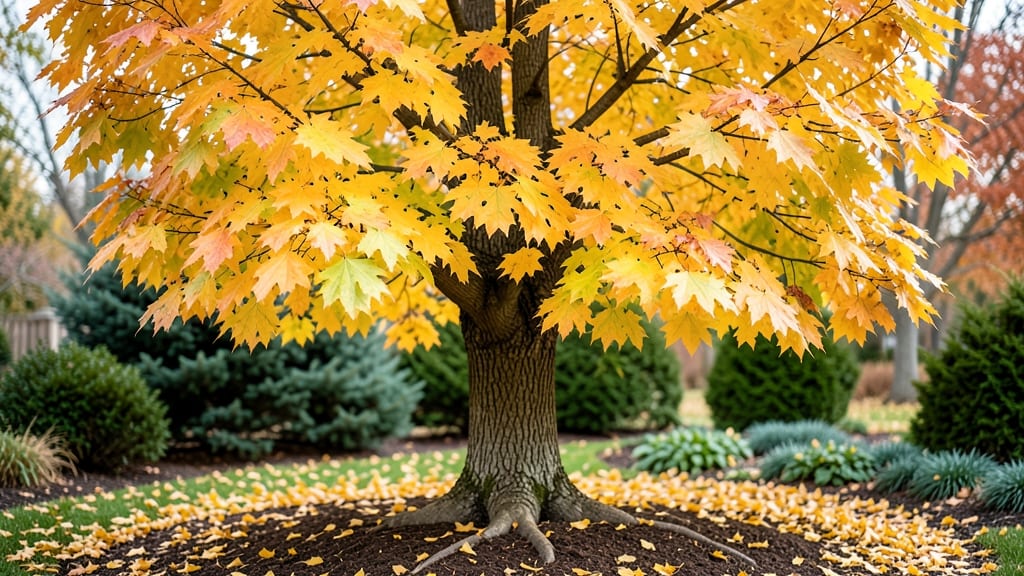
Growing a gold leaf tree means adding a sun-loving showstopper that glows year-round. 🌟 These trees burst with golden foliage and dramatic flowers, but they need the right conditions to thrive—and I've learned the exact care routine that keeps mine vibrant for decades.
The key starts with full sun and well-draining soil. My tree sits in a spot that gets at least 6 hours of sunlight daily, and I mix compost into the planting hole to ensure good drainage.
Overwatering is the #1 killer, so I let the top 2-3 inches of soil dry out before watering again. Once established, these trees are low-maintenance, but pruning in late winter keeps them compact and encourages that stunning golden glow.
The flowers arrive in summer, and the seed pods add autumn interest—though they can be messy, so I remove them promptly. Perfect for sunny yards, city streets, or large containers. Here's how to keep yours looking its best all season long.
📚 In This Guide
- What you need
- Instructions
- Tips and common mistakes
- Wrapping up and next steps
What you need
- ● Gold leaf tree (Laburnum anagyroides or Cotinus coggygria ‘Golden Spirit’) – Choose a healthy, mature plant (3–5 years old for best results).
- ● Pruning shears – Bypass pruners (sharp, 6–8" blades) for clean cuts on small branches.
- ● Loppers – For thicker branches (1–2" diameter), with long handles (24–30") for safety.
- ● Pruning saw – Bow or folding saw for stubborn, woody stems (3–4" blade).
- ● Disinfectant (70% isopropyl alcohol or pruning sealant) – To sterilize tools and prevent disease.
- ● Gloves – Garden gloves (heavy-duty) to protect from thorns or sap.
- ● Trash bags or bucket – For collecting pruned debris (1–2 large bags or a 5-gallon bucket).
- ● Extension pole – 3–6 ft telescoping pole with pruners for high branches.
- ● Hand pruners (felco or corona) – For precision trimming on delicate foliage.
- ● Ladder (stable, non-slip) – If your tree is over 8–10 ft tall.
- ● Hose or spray bottle – To clean tools mid-pruning and rinse sap off cuts.
- ● Marking twine or flags – For labeling branches to remove (if shaping complex designs).
- ● Know your tree’s growth habit—gold leaf trees thrive in full sun (6+ hours/day) and well-draining soil.
- ● Check the best pruning time: Late winter/early spring (before new growth) or summer after flowering.
- ● Have a clear plan—sketch your tree’s shape or note areas for thinning (e.g., dead wood, crossing branches).
- ● Ensure weather conditions are calm (no wind) to avoid stressing the tree.
Step-by-step instructions for planting and caring for gold leaf trees
Here’s how to plant and nurture these stunning sun-loving trees for vibrant, year-round foliage.
🌿 Step 1: Choose the Perfect Planting Location
Gold leaf trees thrive in full sun, so pick a spot that gets at least 6-8 hours of direct sunlight daily. I always check the sunniest part of my yard—usually the south or west side—because these trees won’t tolerate shade. The soil should also drain well; they hate soggy roots, so avoid low-lying areas where water pools.
Before planting, test your soil’s drainage by digging a hole and filling it with water. If it drains within 1-2 hours, your spot is perfect. If not, amend the soil with compost or sand to improve drainage. I like to plant mine in slightly raised beds to give roots an extra boost.
🪴 Step 2: Plant at the Right Depth and Spacing
Dig a hole twice as wide as the root ball but only as deep as the container’s base. This prevents burying the trunk too deeply, which can suffocate the tree. Gently remove the plant from its container and loosen any circling roots—this encourages outward growth. Place it in the hole so the top of the root ball sits 1-2 inches above ground level.
Space your gold leaf trees 10-15 feet apart to give them room to grow. These trees can reach 15-25 feet tall and wide, so crowding them will lead to weak branches and poor airflow. Backfill the hole with native soil, pressing lightly to remove air pockets, and water deeply to settle everything.
☀️ Step 3: Water Deeply and Establish a Routine
After planting, water the tree until the soil is 6 inches deep and moist. You’ll know it’s right when water drips out of the hole’s bottom. For the first 2-3 weeks, water every 2-3 days to help roots establish. Once established, gold leaf trees are drought-tolerant, but young trees need consistent moisture to avoid stress.
I mulch around the base with 2-3 inches of organic mulch to retain moisture and regulate soil temperature. Keep the mulch 6 inches away from the trunk to prevent rot. Over time, you’ll notice the tree’s vibrant gold foliage becoming even more striking as it settles into its new home.
✂️ Step 4: Prune for Shape and Health
Prune gold leaf trees in late winter or early spring, just before new growth begins. Remove any dead, diseased, or crossing branches first—this keeps the tree healthy and open to sunlight. I also trim back any overgrown branches to maintain the tree’s natural shape, cutting just above a leaf node or outward-facing bud.
Avoid heavy pruning in summer, as it can stress the tree. If you notice leggy growth, prune back by 1/3 of the branch length to encourage bushier, fuller foliage. Gold leaf trees respond well to pruning, so don’t be afraid to shape them as they grow—just do it at the right time.
🌱 Step 5: Fertilize for Vibrant Foliage
Feed your gold leaf tree in early spring with a balanced, slow-release fertilizer (like 10-10-10). Apply it according to package instructions, usually spreading it evenly over the root zone and watering it in. This gives the tree a nutrient boost for the growing season ahead.
I also add a handful of compost or organic matter around the base in spring to improve soil health. Avoid over-fertilizing, as this can lead to weak growth or even leaf burn. If your tree’s foliage starts to look dull, a light application of fertilizer in mid-summer can help revive it—just follow the same routine.
Tips & tricks for perfect gold leaf tree planting and care
These little details make all the difference between a struggling tree and one that thrives with stunning golden foliage year after year.
The Sunlight Secret: While 6-8 hours of direct sunlight is ideal, these trees can actually handle up to 10 hours in hot climates. I’ve seen them flourish with morning sun and afternoon shade in summer—just watch for leaf scorch if temps exceed 90°F. The golden color actually intensifies in full sun, so don’t be afraid to give them plenty of light. If your yard has limited sun, consider container growing where you can move the tree to sunnier spots seasonally.
Root Ball Rescue: When removing your gold leaf tree from its container, you’ll often find circling roots. These are a red flag—they’ll strangle your tree if left intact. Use your fingers to gently tease them apart or make small vertical cuts with a clean knife if they’re tightly bound. This simple step prevents root girdling that can kill trees over time. I always do this right after loosening the root ball but before placing it in the planting hole.
Watering Wisdom: The 6-inch deep watering in Step 3 is crucial, but here’s what I’ve learned: water in the morning so foliage dries quickly, preventing fungal issues. For the first 2-3 weeks, I check soil moisture by sticking my finger 2 inches down—if it’s dry, it’s time to water. Once established, you’ll notice the tree’s vibrant color actually darkens slightly when thirsty, which is your cue to water deeply again. This helps you read the tree’s needs without guesswork.
Pruning Precision: When pruning back by 1/3 of branch length, I recommend cutting just outside the branch collar (that swollen area where the branch meets the trunk). This promotes faster healing and prevents unsightly stubs. For shaping, always cut at a 45-degree angle just above an outward-facing bud—this encourages new growth in the direction you want. I prune in late winter because the tree’s energy is already focused on new growth, making it less stressful.
Pro Tips for Gold Leaf Tree
- These little details make all the difference between a struggling tree and one that thrives with stunning golden foli...
- The Sunlight Secret: While 6-8 hours of direct sunlight is ideal, these trees can actually handle up to 10 hours in h...
- Root Ball Rescue: When removing your gold leaf tree from its container, you’ll often find circling roots. These are a...
Frequently asked questions
Got questions about keeping your gold leaf tree thriving? Here are some of the most common ones—plus quick answers to help you grow a stunning, sun-drenched foliage display all year long.
How much sunlight does a gold leaf tree really need?
A gold leaf tree (Laburnum anagyroides) is a sun-lover—it thrives in full sun (6+ hours daily). While it tolerates partial shade, leaves may lose their vibrant golden hue and grow sparse. For the best color and growth, plant it in a south- or west-facing spot with well-draining soil.
When is the best time to prune a gold leaf tree?
Prune your gold leaf tree right after flowering (late spring to early summer) to shape it and encourage dense growth. Avoid heavy pruning in fall or winter, as it can stimulate tender new growth that may frost damage. Light trimming to remove dead or crossing branches can happen anytime, but never prune in late summer—it delays blooms for next year!
Why are my gold leaf tree’s leaves turning brown or yellow?
Brown or yellow leaves usually signal overwatering, underwatering, or nutrient issues. Check soil moisture—gold leaf trees prefer moderately moist but well-draining soil. Yellowing could also mean iron deficiency (common in alkaline soils). Test your soil and amend with compost or iron supplements if needed. Pests like spider mites can also cause browning—inspect leaves for webbing or tiny dots.
Can I grow a gold leaf tree in a container?
Yes, but it’s challenging! Gold leaf trees grow large (up to 20–30 feet tall) and have deep roots, making containers tricky. If you try it, use a 50+ gallon pot with drainage holes and a fast-draining potting mix. Move it outdoors in spring/summer and bring it inside (near a sunny window) in winter. Dwarf cultivars like Laburnum × watereri ‘Vossii’ are better suited for containers.
What are some low-maintenance alternatives to gold leaf trees?
If you want golden foliage without the fuss, consider these sun-loving, low-maintenance options:
- Golden rain tree (Koelreuteria paniculata) – Fast-growing, drought-tolerant, and pest-resistant.
- Forsythia (Forsythia × intermedia) – Bright yellow blooms in spring, easy to prune.
- Golden deodar cedar (Cedrus deodara ‘Aurea’) – Evergreen with golden tips, thrives in full sun.
- Dwarf golden privet (Ligustrum × vicaryi ‘Loddon Gold’) – Compact, great for hedges.
Wrapping up and next steps
The gold leaf tree is a stunning, low-maintenance addition to any sun-drenched garden, offering vibrant foliage that brightens spaces year-round. With the right care—sunlight, well-drained soil, and occasional pruning—you’ll enjoy its golden beauty for seasons to come.
Ready to transform your outdoor space? Start small—plant one today and watch it thrive! 🌿✨
Next steps:
- Pick your spot and dig in!
- Check local nurseries for gold leaf tree varieties.
- Join gardening forums to share your progress.