
Pests and Diseases
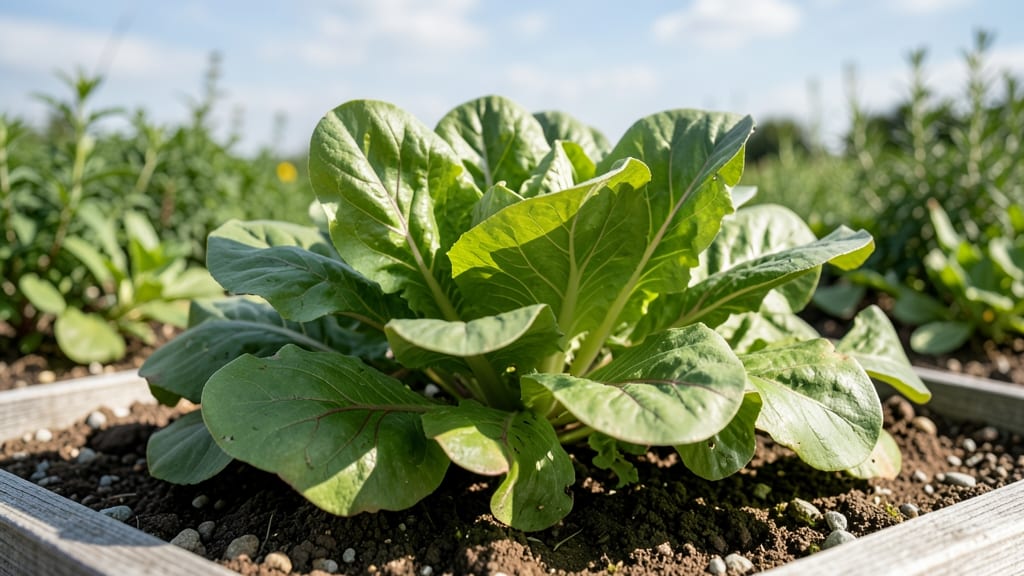
Growing Grand Rapids leaf lettuce in your northern garden means crisp, sweet greens even when frost nips at the edges. 🌱 I've grown this variety through three Michigan winters, and it's the only lettuce that actually thrives when temperatures dip—producing tender leaves long after other varieties bolt.
The key is understanding its unique cold tolerance and adapting your growing approach to take advantage of it.
This lettuce loves cool weather but needs consistent moisture and well-draining soil to prevent bitterness. Plant in early spring or late summer for fall harvests, spacing rows 12 inches apart with plants 6 inches within rows.
It handles light frost better than most varieties, so don't rush to harvest—just protect from hard freezes with row covers if needed. The secret to success is keeping the soil consistently moist but never soggy, especially during heatwaves.
You'll harvest your first tender leaves in just 4-6 weeks, with continuous production if you keep cutting outer leaves. The flavor improves after light frost, developing a slightly sweet, peppery note that store-bought lettuce can't match.
This variety resists common lettuce pests like aphids and slugs better than many others, making it a low-maintenance choice for northern gardeners.
Perfect for small gardens, containers, or even windowsill growing in cold climates. The ability to grow through early fall and late spring means you'll have fresh greens when other varieties fail. Once you try Grand Rapids, you'll never go back to heat-loving lettuce varieties again—especially in cooler regions.
📚 In This Guide
- What you need
- Instructions
- Tips and common mistakes
- Wrapping up and next steps
What you need
- ● Seeds: Grand Rapids Leaf Lettuce seeds (1 packet covers ~50 plants; buy organic or heirloom for best results).
- ● Growing Space: Direct outdoor garden bed (6–12 inches deep, well-draining soil).
- ● OR Containers (5–6 inches deep, with drainage holes; 1–2 plants per 6-inch pot).
- ● Soil: Light, fertile soil with a pH of 6.0–7.0. Mix in 2–3 inches of compost or aged manure for nutrients.
- ● Watering: Drip irrigation or watering can (consistent moisture is key!).
- ● Fertilizer: Balanced organic fertilizer (e.g., 5-5-5) or compost tea (apply at planting and mid-growth).
- ● Mulch: Straw or shredded leaves (1–2 inches) to retain moisture and suppress weeds.
- ● Row covers or frost blankets (for early/late season protection).
- ● Plant markers (to track varieties in small gardens).
- ● Garden gloves (for easy handling and hygiene).
- ● Pest control: Neem oil or insecticidal soap (preventative measure for aphids/pests).
- ● Sunlight: Partial shade to full sun (4–6 hours daily; avoid scorching midday sun in hot climates).
- ● Temperature: Cool-season crop—ideal soil temps: 45–75°F (plant 4–6 weeks before last frost).
- ● Space: Thin seedlings to 6–12 inches apart for optimal air circulation.
Step-by-Step instructions for growing Grand Rapids leaf lettuce
This cold-hardy variety thrives in cool seasons—here's how to coax sweet, tender leaves from seed to harvest.
🌱 Step 1: Prepare Your Planting Site or Containers
Grand Rapids lettuce loves loose, fertile soil with excellent drainage. If planting directly in the garden, choose a spot that gets 4-6 hours of sunlight daily—morning sun with afternoon shade works best in hot climates. Work in 2-3 inches of compost or aged manure to enrich the soil before planting. The ideal soil temperature for germination is 45-75°F, making early spring or late summer the perfect times to sow.
For container growing, use 5-6 inch deep pots with drainage holes. Fill them with a mix of 50% potting soil and 50% perlite or vermiculite to prevent compaction. Moisten the mix until it feels like a damp sponge—neither soggy nor dry. This variety grows well in pots, making it perfect for balconies or small spaces.
🌱 Step 2: Sow Seeds at the Right Depth and Spacing
Scatter seeds ¼ inch deep—any deeper and they’ll struggle to push through the soil. I like to use my finger to make small furrows, then sprinkle seeds along them, spacing them 12 inches apart in rows that are 18 inches apart. For containers, sow 3-4 seeds per pot and thin to the strongest seedling once they sprout. Keep seeds moist but not waterlogged during germination, which typically takes 7-14 days depending on soil temperature.
Here’s the thing—don’t be tempted to crowd the seeds. Lettuce grows quickly, and overcrowding leads to bitter leaves and disease. If you’re planting in succession, mark your rows with stakes or a simple garden marker to keep track of planting dates. This variety is bolt-resistant, so you can enjoy harvests well into summer if you keep sowing every 2-3 weeks.
💧 Step 3: Water and Maintain Consistent Moisture
Lettuce roots are shallow, so water deeply once or twice a week, aiming for 1 inch of water per week. The key is keeping the soil evenly moist—never let it dry out completely, but avoid soggy conditions that invite rot. Water in the morning so leaves have time to dry, reducing the risk of fungal diseases. You’ll know you’re doing it right when the soil feels like a wrung-out sponge: damp but not dripping.
Mulch around plants with 1-2 inches of straw or shredded leaves to retain moisture and suppress weeds. This is especially important in hot weather, as lettuce bolts (goes to seed) when stressed by heat or dry soil. If you notice the outer leaves turning bitter or the plant stretching toward the sun, it’s time to provide some afternoon shade with a row cover or shade cloth.
☀️ Step 4: Harvest Leaves for Continuous Production
Grand Rapids lettuce is a cut-and-come-again variety, meaning you can harvest outer leaves as soon as they reach 3-4 inches long. Use clean scissors or your fingers to snip or pluck leaves just above a lower leaf or the growing point. This encourages the plant to keep producing new growth. I like to harvest in the morning when leaves are crisp and full of moisture—this is when they taste their sweetest.
Don’t wait until the whole head is mature to harvest. If you let the plant bolt, the flavor becomes bitter and the leaves toughen. With proper care, one planting can provide 4-6 weeks of harvests. For a steady supply, stagger plantings every 2-3 weeks throughout the growing season. Even after a light frost, Grand Rapids lettuce keeps producing tender leaves—one of its standout features for northern gardens.
✂️ Step 5: Extend the Season with Successive Plantings
This variety is one of the most cold-hardy lettuces, tolerating light frosts down to 20°F. To keep enjoying fresh leaves, plant a new batch every 2-3 weeks starting in early spring. In fall, you can even sow seeds 6-8 weeks before your first frost date for a late-season harvest. Use row covers or cold frames to protect young plants from sudden temperature drops.
Real talk: If you live in a hot climate, focus on growing Grand Rapids in early spring or late summer/fall to avoid the peak heat. The plant thrives in cooler temperatures, and bolting is your biggest enemy in warm weather. With these strategies, you’ll have a steady supply of crisp, sweet lettuce for salads, sandwiches, or cooking—no bitter aftertaste in sight.
Tips & tricks for growing perfect Grand Rapids leaf lettuce
Took me a while to figure these out, so here goes—simple tricks that'll give you the sweetest, crispest Grand Rapids lettuce without the bitter surprises.
Soil Temperature Matters: The 45-75°F range for germination is non-negotiable, but here's what I learned: If your soil feels cooler than 45°F, cover the bed with a clear plastic sheet for a few days to warm it up. I've seen seeds take twice as long to sprout when soil temps dip below 50°F. For containers, place them in a sunny windowsill or under grow lights until soil warms up.
Spacing is Everything: Those 12-inch spacings between plants in Step 2 aren't just numbers—they're your insurance against bitter lettuce. When plants get crowded, they compete for nutrients and sunlight, leading to tough, bitter leaves. In containers, if you're tempted to squeeze in more than 3-4 seeds per pot, resist! Thin aggressively to avoid this common mistake.
Harvesting Strategy: The 3-4 inch harvest size in Step 4 might seem early, but trust me on this. Leaves this size are at their peak sweetness and tenderness. If you wait for larger leaves, you risk the plant bolting—especially in warmer weather. I harvest every morning and notice the new growth is always sweeter when I don't let the plant get stressed.
Frost Protection: The 20°F cold tolerance is impressive, but don't test it too much. While Grand Rapids can handle light frosts, sudden temperature drops below 20°F can damage the leaves. If frost is forecast, protect your plants with row covers or move containers to a sheltered spot. I've had plants survive 18°F with protection, but without it, they'll turn mushy.
Pro Tips for Grand Rapids Leaf Lettuce
- Took me a while to figure these out, so here goes—simple tricks that'll give you the sweetest, crispest Grand Rapids lettuce without the bitter surprises.
- Soil Temperature Matters: The 45-75°F range for germination is non-negotiable, but here's what I learned: If your soil feels cooler than 45°F, cover the bed with a clear plastic sheet for a few days to warm it up.
- Spacing is Everything: Those 12-inch spacings between plants in Step 2 aren't just numbers—they're your insurance against bitter lettuce.
Frequently asked questions
about growing Grand Rapids Leaf Lettuce—especially in cooler climates—can help troubleshoot common challenges. Here are answers to the most pressing questions!Is Grand Rapids lettuce really frost-tolerant?
Grand Rapids is one of the hardiest leaf lettuces, surviving light frosts (down to 25°F (-4°C)) and even regrowing after a hard freeze. For best results, plant in early spring or late summer when temps are mild. Just avoid heavy frost if seedlings are still tender!
How long does it take to harvest Grand Rapids lettuce?
You can start harvesting outer leaves in 30–40 days for baby greens, or wait 45–55 days for full heads. The key? Cut-and-come-again harvesting—snip leaves at the base, and new growth will sprout in 7–10 days!
What pests or diseases should I watch for?
Common issues include:
- Aphids: Spray with water or use neem oil.
- Slugs/snails: Set beer traps or use diatomaceous earth.
- Downy mildew: Improve airflow and avoid overhead watering.
- Bolting: Keep soil moist and mulch to prevent heat stress.
Can I grow Grand Rapids in containers?
Use a 5–6" deep container with well-draining soil. Place in full sun to partial shade and water consistently. Just avoid overcrowding—space plants 6–8" apart for optimal growth.
What’s the best way to store harvested lettuce?
Wrap heads loosely in a damp paper towel, place in a plastic bag with holes, and store in the crispest part of your fridge (35–40°F / 2–4°C). For loose leaves, rinse, dry, and store in an airtight container. Lasts 5–7 days this way!
Wrapping up and next steps
Growing Grand Rapids leaf lettuce in your Northern garden is a rewarding experience—its frost tolerance and quick harvest make it a perfect choice for cool climates! 🌱 Whether you're a seasoned gardener or just starting out, this variety proves that fresh, homegrown greens are within reach.
With the right prep and care, you’ll soon be enjoying crisp, flavorful lettuce straight from your backyard.
Ready to take the next step? Start small—plant a few seeds now! Experiment with companion plants, keep an eye out for pests, and soon you’ll be harvesting like a pro. Happy growing! 🌿