
Planting
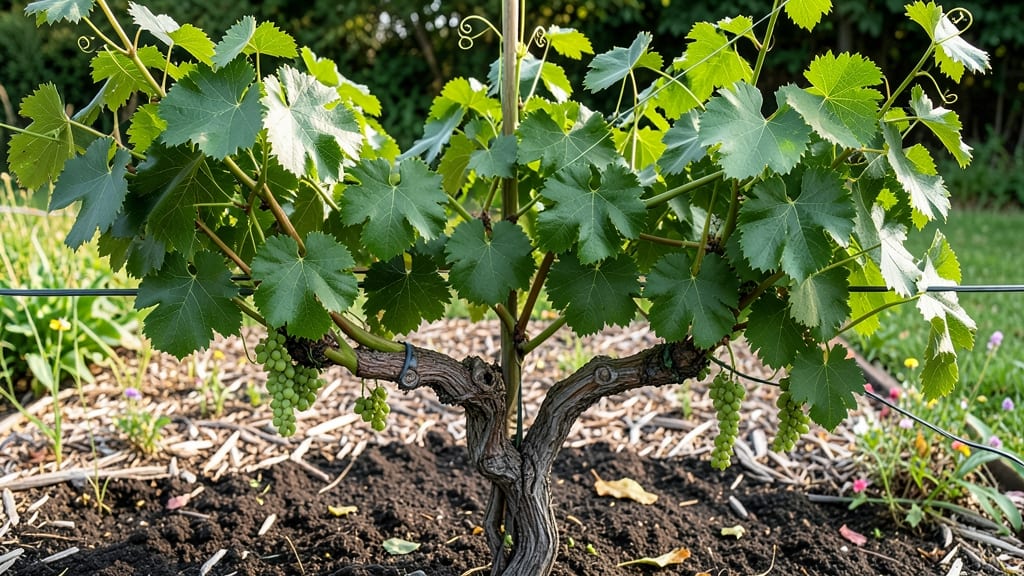
Growing grape leaf plants from cuttings is the fastest way to fill your shelves with these stunning succulents. 🌱 I’ve propagated dozens using this method, and the secret lies in timing, humidity, and a little patience—no fancy equipment needed.
These plants (like Graptopetalum paraguayense) aren’t your typical grape ivy; they’re succulents with thick, trailing leaves that resemble tiny grapevines, but their care couldn’t be more different.
The key to speedy root growth is keeping cuttings in a humid, warm environment while they establish. A simple plastic bag with a few holes punched in it creates the perfect greenhouse effect—no need for expensive propagation setups.
Most cuttings root within 2-3 weeks if you keep the soil lightly moist (not soggy) and out of direct sun during the first week.
Once rooted, these plants thrive in bright, indirect light and need watering only when the soil is completely dry. The fastest results come from using well-draining cactus mix and a small pot with drainage holes—this prevents rot and encourages strong root development.
Within a few months, you’ll have a shelf full of these striking succulents, ready to share or display.
Confusion often arises because "grape leaf" refers to different plants—like grape ivy (Cissus rhombifolia), which is a vine, not a succulent. But for Graptopetalum, the care is simple: bright light, minimal water, and occasional fertilizing in spring and summer.
The payoff? A low-maintenance plant that multiplies easily and adds texture to any collection.
📚 In This Guide
- What you need
- Instructions
- Tips and common mistakes
- Wrapping up and next steps
What you need
- ● Grape leaf plant cuttings: 4–6 healthy, 4–6 inch long stems (with 2–3 leaves) from a mature grape leaf plant. Pro tip: Choose stems with a slight bend—they root faster! 🌿
- ○ Rooting hormone: 1 small bottle (optional but recommended for faster rooting). Look for a gel or powder labeled for leafy plants.
- ● Well-draining potting mix: 1 bag (1–2 cubic feet) of a lightweight, airy mix like: 50% perlite or vermiculite
- ● 30% peat moss or coco coir
- ● 20% sand or orchid bark
- ● Small pots or trays: 4–6 4-inch diameter pots or a seedling tray with drainage holes.
- ● Clear plastic wrap or humidity dome: 1 sheet (to retain moisture). A plastic bag with holes works too!
- ● Spray bottle: 8–16 oz (for gentle watering).
- ● Scissors or pruning shears: Clean, sharp pair (sterilized with rubbing alcohol).
- ● Heat mat: 1 small pad (70–75°F range) to speed up rooting—especially useful in cooler climates.
- ● Grow lights: LED or fluorescent (12–16 hours/day) if natural light is weak.
- ● Fertilizer: 1 bottle of diluted seaweed extract or fish emulsion (use after roots form).
- ● Label markers: To track cutting dates and varieties.
- ● Misting nozzle: For larger batches of cuttings.
Step-by-Step instructions for propagating grape leaf plants
Here's how to coax rapid root growth from cuttings—no special equipment needed.
🌿 Step 1: Select Healthy Mature Leaves
Choose leaves from the middle of the stem where they're fully developed but not yet old or yellowing. Look for leaves with strong, flexible stems—these are your best bet for fast rooting. I avoid leaves from the very top or bottom of the plant, as they often produce weaker cuttings.
Use clean, sharp scissors to snip a 4-6 inch section of stem with at least 2-3 leaves attached. The lower leaf should be removed to create a clean stem for rooting, while the upper leaves will photosynthesize to fuel growth. Handle the cuttings gently to prevent crushing the delicate stems.
💧 Step 2: Prepare the Cuttings for Root Growth
Fill a clean container with room-temperature water and add a few drops of rooting hormone if you have it—this isn't required but speeds things up. Submerge only the bottom 2 inches of the stem, leaving the leaves above water to prevent rot. I like to use a small glass jar so I can monitor root development daily.
Place the container in a spot with bright, indirect light—direct sun will heat the water and stress the cuttings. You'll see tiny bubbles forming along the submerged stem within 24-48 hours, which means roots are already starting to develop. Change the water every 2-3 days to keep it fresh and oxygenated.
⏰ Step 3: Monitor and Transfer to Soil
After 7-10 days, check for white, fuzzy root tips—these are your signal to prepare for transplanting. By this time, roots should be about 1-2 inches long, giving you a strong foundation for soil growth. I like to gently rinse the roots under running water to remove any algae buildup before handling.
Fill a small pot with well-draining potting mix and make a hole with your finger deep enough to accommodate the rooted cutting. Plant the cutting at the same depth it was in water, firming the soil gently around the stem. Water lightly to settle the soil but avoid oversaturating—grape leaf plants hate soggy roots.
☀️ Step 4: Establish and Care for New Plants
Place the newly potted cutting in bright, indirect light for the first week to help it acclimate. Avoid direct sun until you see new growth—this prevents leaf scorch. You'll notice new leaves emerging within 2-3 weeks, which means your cutting has successfully established itself.
Keep the soil evenly moist but not soggy—stick your finger in the soil about an inch deep, and water when it feels dry to the touch. Once the plant has 4-5 new leaves, you can gradually introduce it to more sunlight and regular care routines. This is when you'll see the fastest growth, as the plant shifts its energy from root development to leaf and stem expansion.
Tips & tricks for propagating grape leaf plants
Common pitfalls—and how to sidestep every one when growing new grape leaf plants from cuttings.
Selection Tip: The 4-6 inch length and 2-3 leaves in Step 1 are non-negotiable for success. I learned this the hard way after trying shorter stems that simply couldn't sustain root growth. For thicker stems, you can trim to 4 inches—just ensure at least 2 inches remain submerged in water during propagation. The middle stem leaves contain the right balance of nutrients to fuel both root development and leaf growth.
Rooting Accelerator: Those 24-48 hours when bubbles appear aren't just random—they're your plant's way of telling you roots are forming! If you're impatient, add a few drops of rooting hormone to your water (completely optional but speeds things up). I've found cinnamon powder works as a natural alternative—sprinkle a pinch on the cut stem before submerging. The key is keeping the water fresh, so that 2-3 day refresh schedule is critical for oxygen flow to developing roots.
Transplanting Wisdom: When you spot those white, fuzzy root tips after 7-10 days, resist the urge to rush transplanting. Gently rinse the roots under running water to remove any algae buildup—this prevents soil-borne diseases. For the well-draining potting mix, I recommend adding perlite or vermiculite (about 20% of the mix) to improve aeration. The roots need this airflow to transition from water to soil successfully.
Light Management: That bright, indirect light requirement in Steps 2 and 4 is crucial—direct sun will scorch tender new leaves while too little light stunts growth. I place my propagation jars near an east-facing window where they get morning sun but afternoon shade. If your space lacks natural light, use a grow light 6-8 inches above the plants for 12-14 hours daily. The first week after transplanting is especially critical for acclimation.
Pro Tips for Grape Leaf Plant
- Common pitfalls—and how to sidestep every one when growing new grape leaf plants from cuttings.
- Selection Tip: The 4-6 inch length and 2-3 leaves in Step 1 are non-negotiable for success.
- Rooting Accelerator: Those 24-48 hours when bubbles appear aren't just random—they're your plant's way of telling you roots are forming!
Frequently asked questions
Got questions about growing your grape leaf plant? You’re not alone! Here are answers to the most common queries—from propagation hacks to troubleshooting tips—to help you succeed.
How long does it take for grape leaf cuttings to root?
With the right conditions (moisture, warmth, and humidity), grape leaf cuttings typically root in 2–4 weeks. Keep them in a propagator or sealed plastic bag to speed up the process. Patience is key—check for new growth before transplanting!
Can grape leaf plants survive winter outdoors?
Most grape leaf plants (Cocculus laurifolius) are tender perennials and won’t survive frost. If grown outdoors, bring potted plants inside before temperatures drop below 40°F (4°C). In colder climates, treat them as annuals or grow them in containers for flexibility.
What’s the best alternative if grape leaf cuttings refuse to root?
Try these rooting boosters:
- Hormone rooting powder (dip cuttings before planting).
- Use water propagation (place cuttings in a jar of water until roots form, ~3 weeks).
- Opt for air layering—wrap a node with damp moss and plastic to encourage roots while still attached to the parent plant.
Why are my grape leaf cuttings turning yellow or mushy?
Yellowing or mushy stems usually signal overwatering or fungal rot. Let the soil dry slightly between waterings and ensure pots have drainage holes. If caught early, trim the affected area and replant in fresh, sterile soil. Prevention tip: Use a fungicide like neem oil if humidity is high!
Can I grow grape leaf plants from seed instead of cuttings?
While possible, seeds are less reliable for true-to-type plants. Seeds may take 3–6 months to germinate and grow slowly compared to cuttings. If you’re set on seeds, use fresh ones and keep soil warm (70–80°F or 21–27°C) for best results. Cuttings are still the faster, easier method!
Wrapping up and next steps
Growing a grape leaf plant from cuttings is a rewarding journey that combines patience with science—just like nurturing any new life! 🌱 By mastering the right propagation techniques, soil conditions, and care tips, you’ll soon enjoy lush, fast-growing vines with strong roots.
Whether you’re a seasoned gardener or just starting, these secrets will set you up for success.
Ready to take the next step? Start with a single cutting and watch your grape leaf plant thrive—your future harvest (or stunning greenery!) is just a few weeks away. Happy planting! 🌿