
Pests and Diseases
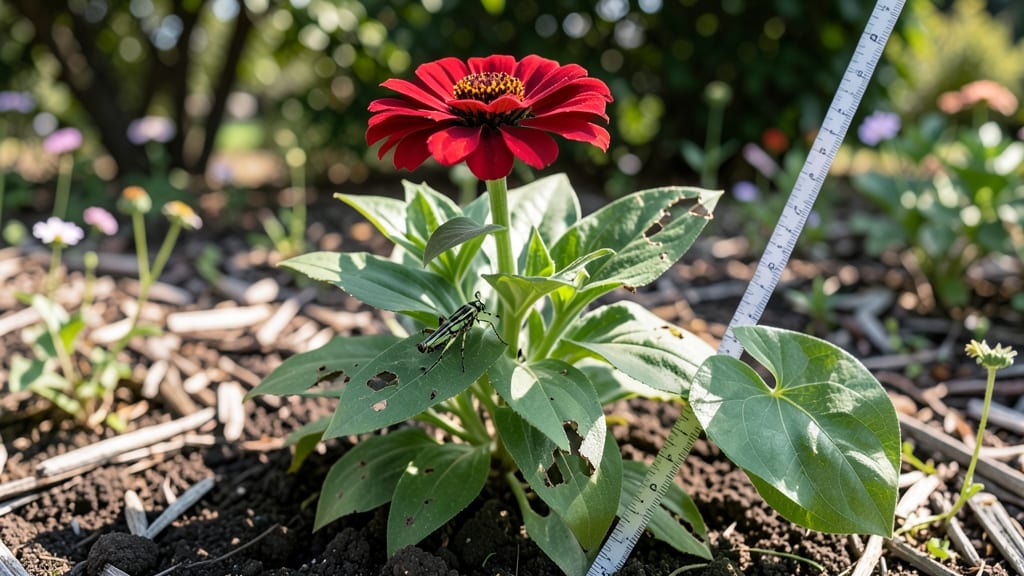
Grasshopper leaf damage turns lush plants into skeleton leaves overnight. 🌱 I’ve watched my prize-winning zucchini plants go from thriving to tattered in just a few hours, and the key to stopping it is knowing what to look for—and acting fast.
These striped invaders leave behind jagged edges and scattered droppings, giving your garden the look of a war zone.
The damage isn’t just cosmetic—it stunts growth, weakens plants, and can even kill seedlings if left unchecked. Most gardeners wait too long, thinking a few chewed leaves won’t matter, but by the time you notice widespread damage, the grasshoppers have already moved on to your neighbors’ gardens.
The good news? You can stop them with simple, effective strategies that work before they become a full-blown infestation.
Early intervention means handpicking adults (they’re easy to spot when they fly) or setting up barriers like row covers for young plants.
For established gardens, natural predators like spiders and birds do most of the work—but if you need faster results, organic sprays with neem or kaolin clay create a protective shield. The goal is to protect your plants without harming the ecosystem, so timing and consistency are everything.
Some plants, like marigolds and basil, naturally repel grasshoppers, while others, like roses and beans, are high-risk. Knowing which varieties thrive in your area and how to rotate crops can make a huge difference.
The secret is staying one step ahead of these hoppers before they turn your garden into their all-you-can-eat buffet.
The Real Culprits Behind Leaf Loss
Grasshoppers are nature’s efficient lawn mowers—but when they turn your garden into their personal buffet, the damage can be devastating. Understanding why they target your plants is the first step to reclaiming your green space.
Here’s a breakdown of the key factors driving these leaf-munching pests to feast on your foliage.
Grasshoppers thrive in dense populations, and when conditions are ideal, they form massive swarms. These insects are gregarious by nature, meaning they gather in groups when food or space becomes scarce.
A single female can lay hundreds of eggs in moist soil, and if left unchecked, those eggs hatch into a voracious army that strips fields and gardens bare.
Why it happens:
- Drought or heat stress triggers swarming behavior—stressed grasshoppers become more aggressive.
- Lack of natural predators (like birds, spiders, or parasitic wasps) allows populations to explode.
- Monoculture landscapes (large stretches of the same plant) offer an all-you-can-eat buffet, making them high-risk targets.
Actionable insight: 🌡️ If you notice uneven patches of brown grass or missing leaves overnight, it’s a red flag—swarms may already be moving in.
Grasshoppers aren’t picky—they’re opportunistic feeders that zero in on plants already struggling. When your plants are water-stressed, nutrient-deficient, or diseased, they emit chemical cues that grasshoppers detect as a "weak target."
Why it happens:
- Drought conditions cause plants to wilt, making them easier to chew and digest.
- Fertilizer imbalances (too much nitrogen, not enough potassium) create softer, more palatable leaves.
- Pest or disease damage (e.g., aphids, fungal spots) weakens plants, making them high-priority snacks.
Actionable insight: 💡 Healthy plants = less appealing snacks. Prioritize deep watering (1–2 inches per week) and balanced fertilization to make your garden less inviting.
Grasshoppers are most active during warm, dry periods, especially late summer when food sources dwindle. Their metabolism spikes in heat, increasing their appetite—and your plant’s vulnerability.
Why it happens:
- Late summer/early fall is peak feeding season as nymphs (baby grasshoppers) mature into adults with insatiable appetites.
- Morning dew or rain temporarily slows them down, but sunny afternoons (when plants are driest) are their hunting prime time.
- Early-season growth (like new wheat or vegetable sprouts) is tender and nutritious, making it a magnet for hoppers.
Actionable insight: ⏰ Monitor activity between 10 AM–4 PM—that’s when grasshoppers are most active and damage is most visible.
Grasshoppers need three things to thrive: food, water, and shelter. If your yard provides all three in abundance, you’ve created a five-star grasshopper resort.
Why it happens:
- Tall weeds or dense ground cover offers hiding spots during the day and egg-laying sites.
- Irrigation systems or standing water provides hydration, extending their active season.
- Unmowed grass or wild patches near cultivated areas creates a buffer zone where they can transition from wild to garden pests.
Actionable insight: 🔪 Reduce hiding spots by:
- Mowing regularly (keep grass at 3–4 inches).
- Removing weeds and debris near garden edges.
- Avoiding overwatering—grasshoppers prefer damp but not soggy conditions.
Grasshoppers are highly sensitive to weather. While they love heat and drought, sudden changes—like heavy rain or cold snaps—can disrupt their life cycle in unexpected ways.
Why it happens:
- Prolonged drought stresses plants, making them easier to digest and more attractive.
- Unpredictable rainfall can wash away natural predators (like bird nests) while softening soil for egg-laying.
- Early frosts can kill off young grasshoppers, but mild winters allow populations to survive and multiply.
Actionable insight: 📊 Track local weather trends—if your area has had below-average rain for 3+ months, brace for a grasshopper outbreak.
Ironically, modern farming and landscaping practices can worsen grasshopper infestations by creating the perfect storm of conditions.
Why it happens:
- Monoculture farming (large fields of one crop) removes natural diversity, leaving grasshoppers with no escape.
- Excessive tilling disturbs soil, exposing grasshopper eggs to hatch earlier.
- Pesticide overuse kills beneficial insects (like ladybugs and lacewings) that naturally control grasshopper populations.
Actionable insight: ✨ Encourage biodiversity by:
- Planting native flowers and shrubs as predator habitats.
- Using crop rotation in gardens to disrupt grasshopper life cycles.
- Opting for targeted, organic pest control to preserve beneficial insects.
Quick Fixes for Chewed-Up Leaves
Grasshoppers may seem like tiny troublemakers, but their appetite for your plants can quickly turn into a full-blown crisis. The good news? You can stop the damage fast and protect your garden with the right approach.
Below, we’ve mapped out practical solutions based on the root cause—whether it’s an infestation, a single straggler, or an environmental trigger. Plus, we’ll share prevention tips to keep your plants safe long-term.
If your plants look like they’ve been hit by a leaf-munching army, act fast with these high-impact fixes:
🔥 Trap & Remove Grasshoppers Manually - How to do it: Shake plants over a bucket of soapy water (dish soap works) or use a handheld net to scoop them up.
For larger gardens, try a drop cloth—lay it under the plant, give it a good shake, and dispose of the pests. - Best for: Small to medium gardens or spot treatments where you’ve already seen damage. - Pro tip: 💡 Work in the early morning when grasshoppers are sluggish and easier to catch.
🍳 DIY Sprays for Fast Relief Grasshoppers hate soapy water, neem oil, or garlic spray. Here’s a simple recipe: 1. Mix 1 tsp dish soap + 1 tsp neem oil + 1 minced garlic clove in 1 quart of water. 2.
Spray directly on grasshoppers (not just leaves) for best results. 3.
Reapply every 3–5 days or after rain. - Why it works: The soap clogs their breathing pores, while neem oil disrupts their feeding habits. - Caution: 🌡️ Avoid spraying in direct sunlight (can burn plants) or when bees are active.
If grasshoppers keep coming back, preventative measures are key. Build a defense system with these low-maintenance strategies:
🛡️ Physical Barriers (No Chemicals Needed)
| Barrier Type | How to Use | Best For |
|---|---|---|
| Row Covers | Lightweight fabric over plants (secure with stakes). | Vegetable gardens, flowers. |
| Netting | Fine mesh (like bird netting) draped over beds. | Small plants, seedlings. |
| Copper Tape | Wrap around pots or stakes—grasshoppers hate the sensation. | Potted plants, raised beds. |
| Diatomaceous Earth | Sprinkle food-grade DE around plant bases (reapply after rain). | Dry, sunny areas. |
- Pro tip: ✨ Combine barriers with traps—place a bucket with soapy water + a few drops of beer (grasshoppers are drawn to it) near infested areas.
🌿 Plant Smart: Grasshopper-Resistant Choices Some plants are naturally unappetizing to grasshoppers.
Swap vulnerable favorites (like roses, beans, or corn) with: - Marigolds (repel pests with their scent) - Lavender (grasshoppers avoid it) - Russian Sage (deters hoppers with its texture) - Onions & Garlic (plant near vulnerable crops)
Instead of chemicals, encourage grasshopper’s enemies to move in:
- 🐸 Frogs & Toads: Set up a small water feature (they’ll stick around to hunt).
- 🦎 Lizards & Birds: Install birdhouses or rock piles for shelter.
- 🐝 Parasitic Wasps: These tiny warriors lay eggs in grasshopper eggs—plant native wildflowers to attract them.
Stop grasshoppers before they start with this monthly routine:
| Season | Task | When to Do It |
|---|---|---|
| Spring | Till soil to destroy overwintering eggs. | Early spring (March–April). |
| Summer | Mow high (3–4 inches) to remove egg-laying sites. | June–July. |
| Fall | Rake up debris (grasshoppers hide in it). | September–October. |
| Year-Round | Remove weeds (grasshoppers love them). | As they appear. |
- Pro tip: 🎯 Monitor egg pods—look for small, foam-like clusters in soil. Destroy them before they hatch (early spring).
If your garden is overrun and DIY methods aren’t working, it’s time to escalate:
- Contact your local cooperative extension office—they may offer free pest scouting or recommend targeted treatments.
- Consider beneficial nematodes (Heterorhabditis bacteriophora)—microscopic worms that kill grasshopper eggs and nymphs naturally.
- Last resort: Pyrethrin-based sprays (organic insecticide) for severe outbreaks (follow label instructions carefully).
Grasshoppers are less likely to attack healthy, thriving plants. Keep your garden strong with: ✅ Regular watering (but avoid soggy soil). ✅ Balanced fertilizer (too much nitrogen = softer, tastier leaves). ✅ Prune damaged leaves to encourage new growth.
With these targeted fixes, you’ll crush the problem—and keep your plants chew-free for seasons to come! 🚀
Frequently asked questions
How can I tell if grasshoppers are the real culprits behind my plant damage?
Look for jagged, irregular holes along leaf edges—not clean cuts like deer make. You’ll also spot tiny black droppings (frass) on leaves or soil below. Grasshoppers leave behind striped adults (about 1–2 inches long) or smaller nymphs with no wings. Check plants between 10 AM–4 PM when they’re most active.
Are home remedies like soapy water or neem oil really effective against grasshoppers?
Yes! A mix of 1 tsp dish soap + 1 tsp neem oil + 1 quart water works well when sprayed directly on grasshoppers (not just leaves). The soap clogs their breathing pores while neem oil disrupts their feeding. For best results, reapply every 3–5 days or after rain. Just avoid spraying in direct sunlight to prevent plant burn.
Can I use diatomaceous earth around my vegetable garden safely?
but only the food-grade version! Sprinkle a thin layer around plant bases (not directly on leaves) where grasshoppers crawl. Reapply after rain or watering. It’s non-toxic to humans and pets once settled, but wear a mask when applying. For best results, combine it with other barriers like row covers.
What plants should I avoid growing if grasshoppers are a recurring problem?
Grasshoppers love tender, fast-growing plants like beans, corn, roses, and zucchini. Opt for marigolds, lavender, or Russian sage instead—they naturally repel hoppers. Plant onions or garlic nearby as a protective barrier. Even herbs like thyme and oregano help deter them while adding flavor to your garden.
When is the best time to treat grasshopper eggs before they hatch?
Look for foam-like egg pods in soil during early spring (March–April). Till the soil or hand-pick pods to destroy them before they hatch. If you miss this window, focus on nymphs in late spring/early summer when they’re most vulnerable. Regular weed removal also prevents egg-laying sites.