
Pests and Diseases
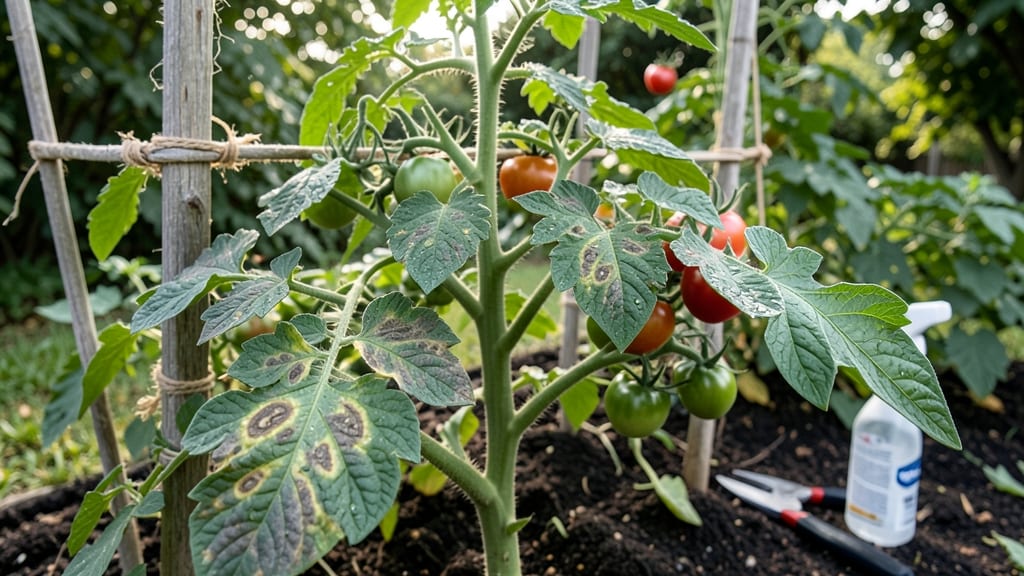
Gray leaf spot on tomatoes turns your lush vines into a sad, spotted mess—until you know the 3-step fix. 🌱 I’ve battled this fungal blight for years, and once you spot those telltale gray spots with yellow rings, you can stop the spread and save your plants with basic tools and a little timing.
The problem starts when humidity and poor airflow create the perfect fungal party. Overcrowded plants, wet leaves at night, or even last year’s infected debris all invite this disease.
But here’s the good news: you don’t need fancy chemicals to fix it—just pruners, a spray bottle, and a plan to break the cycle.
Within a week of treating affected plants, you’ll see new growth pushing through, and by midseason, your tomatoes will be thriving again. The key is acting fast—remove infected leaves, improve airflow, and keep the soil healthy so your plants bounce back stronger than ever.
This works for backyard gardens, containers, and even greenhouse setups. Let’s get those tomatoes back to their full, disease-free glory—no stress, no guesswork, just results.
Understanding Fungal Blight Triggers
Gray leaf spot on tomatoes isn’t just random bad luck—it’s a fungal party crashers, and understanding its favorite invitations can help you kick it out for good. This stubborn pathogen, Alternaria solani, thrives when conditions align like a perfect storm.
Let’s break down the key triggers that turn your lush tomato plants into a buffet for this fungus.
The fungus Alternaria solani loves warm temperatures (70–85°F) paired with high humidity or prolonged leaf wetness. Here’s why:
- Spore germination: Spores need moisture to "wake up" and infect leaves. Think of them like seeds—without water, they just sit there, doing nothing. But when humidity hovers above 70% or leaves stay damp (from rain, dew, or overhead watering), spores explode into action.
- Fungal growth: Once spores land on a leaf, they grow hyphae (tiny fungal threads) that penetrate the plant’s surface. Warmth speeds this up, turning a single spore into a full-blown infection in days.
- Stagnant air: Poor airflow (common in dense plantings or greenhouses) traps moisture near leaves, creating a perfect fungal sauna.
Actionable tip: Monitor your local weather forecast. If temps are climbing and humidity is high, water in the morning (not evening) and prune for airflow to dry leaves faster. 🌡️✨
Fungi don’t just need moisture—they need space to spread unchecked. Crowded tomato plants or thick foliage create a perfect breeding ground because:
- Leaves stay wet longer: Without airflow, water evaporates slowly, keeping spores and hyphae happy. Even a light rain can turn into a 24-hour fungal feast.
- Spores hitchhike: Wind or touching plants can spread spores from infected leaves to healthy ones. In tight spaces, this happens faster.
- Stress weakens defenses: Overcrowded plants compete for sunlight and nutrients, making them more susceptible to infections.
Actionable tip: Space tomato plants 18–24 inches apart and prune lower leaves to improve airflow. If growing in containers, avoid stacking them too closely. 🌬️🎯
Splashing water onto leaves isn’t just inefficient—it’s a direct invitation for gray leaf spot. Here’s how:
- Spores get splashed: Water droplets pick up spores from soil or infected debris and fling them onto leaves, like a fungal pinball machine.
- Leaves stay damp: Overhead watering keeps foliage wet for hours, giving spores the perfect conditions to germinate.
- Soil-borne spores: Alternaria often lurks in soil or old plant debris. Watering from above stirs up and spreads these spores.
Actionable tip: Switch to drip irrigation or soaker hoses to deliver water at the soil level. If you must water overhead, do it early in the day so leaves dry by evening. 💧🚫
A healthy tomato plant can fight off fungal infections, but stress makes them easy prey. Common stressors include:
- Nutrient deficiencies: Lack of nitrogen, potassium, or magnesium weakens cell walls, making it easier for the fungus to break in.
- Physical damage: Hail, pests (like aphids), or rough handling can create entry points for spores.
- Environmental shocks: Sudden temperature swings, drought, or flooding suppress the plant’s immune system.
- Old or diseased debris: Leaving infected leaves or stems in the soil releases more spores next season.
Actionable tip: Rotate crops every 3 years to starve the fungus of its favorite hosts (like potatoes or eggplants). Remove and destroy infected plant debris (don’t compost it!). Use a balanced fertilizer to keep plants robust. 🌱💪
Now that you know the why, the next step is stopping the party. The good news? With a few simple adjustments, you can make your garden a no-fungus zone. Stay tuned for our 3-step fix to reclaim your tomato plants! 🍅🔥
Fix Fungal Issues Fast
Gray leaf spot in tomatoes doesn’t have to mean the end of your harvest—with the right approach, you can stop the spread and revive your plants. Below, we break down practical, step-by-step fixes for each cause, plus prevention tips to keep your garden healthy.
If you spot yellow or brown spots on leaves, act fast—don’t wait for the fungus to spread.
- 🍳 Prune infected foliage with clean, sharp shears (sterilize with rubbing alcohol between cuts).
- 👨🍳 Toss or compost affected leaves away from the garden (not in your compost pile).
- 🥘 Focus on lower leaves first—they’re most vulnerable and can harbor spores.
✨ Pro Tip: If the disease is severe, remove entire infected plants to prevent contamination.
A weak tomato plant is an open invitation for fungal infections. Strengthen your plants with these organic fixes:
| Problem | Solution | How to Do It |
|---|---|---|
| Overcrowding | Improve airflow to dry leaves faster. | Prune suckers, space plants 18–24 inches apart, and stake for support. |
| Overwatering | Reduce moisture where spores thrive. | Water early in the morning (avoid evening watering). Use drip irrigation. |
| Poor Nutrition | Feed plants potassium-rich fertilizers (like banana peel tea). | Mix 1 chopped banana peel in 1 gallon of water; steep for 24 hours and water. |
🌡️ Quick Fix: Sprinkle baking soda spray (1 tsp baking soda + 1 tbsp oil + 1 tsp soap per gallon of water) on leaves every 7–10 days to raise pH and deter fungus.
If the infection persists, fungicides can help. Here’s how to use them effectively:
- 🍄 Organic Options:
- Copper fungicide (spray every 7–10 days).
- Neem oil (mix 1 tbsp neem oil + 1 tsp soap in 1 quart water; spray leaves).
- Compost tea (rich in beneficial microbes).
- 🧪 Chemical Options (if severe):
- Chlorothalonil (Daconil) or maneb (follow label instructions).
⏰ Timing Matters: Apply fungicides at the first sign of spots and repeat after rain.
The best cure? Stop it before it starts. Follow these long-term strategies:
- 🌱 Rotate crops—never plant tomatoes (or nightshades) in the same spot two years in a row.
- 🌱 Choose resistant varieties like ‘Mountain Merit’ or ‘Defiant PhR’ (look for "V" or "F" disease ratings).
- 🌱 Mulch properly—use straw or grass clippings (not wood chips) to keep soil dry.
- 🌱 Clean tools & garden beds—sterilize pruners and remove plant debris after harvest.
🎯 Golden Rule: Healthy soil = healthy plants. Test your soil pH (aim for 6.0–6.8) and amend with compost.
By tackling infected leaves, improving plant health, and preventing future outbreaks, you’ll keep your tomato plants thriving—no gray leaf spot in sight! 🍅✨
Frequently asked questions
What do gray leaf spot symptoms look like on tomato plants?
Gray leaf spot starts with small, gray or brown spots with yellow halos on older leaves. As it spreads, the spots grow larger (up to 1/4 inch wide) and develop concentric rings. Severe cases cause leaves to yellow, crisp, and drop prematurely. Check the undersides of leaves first—spores often appear there first.
Can I still harvest tomatoes if my plants have gray leaf spot?
Yes, but focus on removing infected foliage first to protect remaining fruit. The fungus doesn’t directly infect tomatoes, but severe leaf loss reduces plant vigor. Harvest ripe tomatoes promptly and prune heavily affected leaves to redirect energy to fruit production. Avoid eating leaves or stems—only consume healthy fruit.
How long does it take for baking soda spray to work on gray leaf spot?
Baking soda spray (1 tsp baking soda + 1 tbsp oil + 1 tsp soap per gallon) starts working within 24–48 hours by raising leaf pH and inhibiting fungal growth. For best results, apply every 7–10 days during humid conditions. Combine it with pruning infected leaves for faster recovery—you’ll see new growth in 1–2 weeks if the infection isn’t severe.
Will gray leaf spot survive winter in my garden?
Yes, the fungus Alternaria solani overwinters in infected plant debris and soil. To break the cycle, remove all tomato plants (including roots) and destroy debris (don’t compost it). Rotate crops by avoiding tomatoes, peppers, or eggplants in the same spot for 3 years. Sterilize garden tools and mulch with straw instead of wood chips.
Are there tomato varieties that naturally resist gray leaf spot?
Look for varieties labeled with “V” or “F” disease ratings, like ‘Mountain Merit’, ‘Defiant PhR’, or ‘Bush Early Girl’. These hybrids have built-in resistance to fungal diseases. For heirlooms, ‘Cherokee Purple’ and ‘Brandywine’ show moderate resistance. Always buy from reputable nurseries to ensure healthy starts.