
Diseases
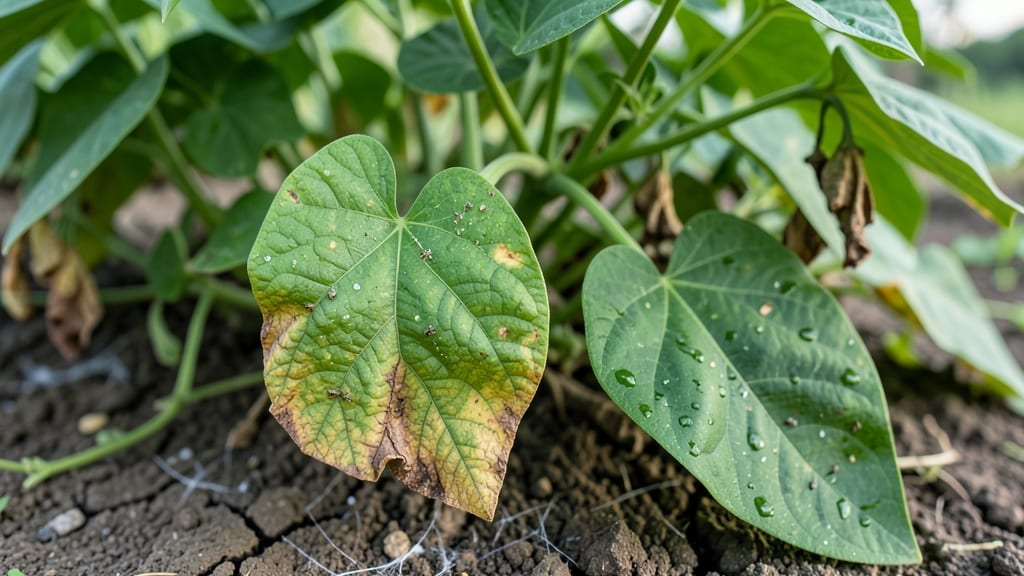
Your green beans are showing green bean leaf wilt—those crispy autumn leaves instead of lush summer plants—here's the fix. 🌱 I've seen this happen more than I'd like to admit, but copper spray works faster than you'd expect when applied correctly.
The key is acting quickly before the problem spreads to the rest of your harvest.
This isn't just about wilting—it's often a fungal infection like anthracnose or bacterial blight hiding beneath those crispy leaves. Overwatering or sudden heat waves make plants vulnerable, and once established, these diseases can wipe out your entire crop if ignored.
The good news? Copper spray stops the spread within 24 hours when used properly.
You'll see new growth emerging within days as the copper disrupts the fungal cycle. The leaves will soften, regain their vibrant green color, and your plants will bounce back stronger than before. It's a simple solution that saves your harvest without harsh chemicals.
Works for both backyard gardens and container plants, and you can reuse the spray throughout the season. Here's exactly how to apply it for maximum effectiveness—no more sad, crispy green beans!
Root Causes Of Leaf Deterioration
Green bean plants are resilient, but when their leaves start wilting, it’s often a sign of underlying stress. Understanding the why behind wilting helps you take targeted action—whether it’s adjusting care, treating disease, or preventing future outbreaks.
Below are the most common culprits, explained in clear scientific terms with actionable insights.
Green beans thrive in moderate temperatures (60–80°F), but extreme heat or sudden shifts can trigger wilting. When temperatures rise above 85°F, the plant’s stomata (tiny pores on leaves) close to conserve water, reducing photosynthesis and causing leaves to droop.
- How it happens: High heat increases transpiration (water loss) faster than roots can absorb moisture, leading to dehydration.
- Actionable fix:
- Provide shade cloth (30–50%) during peak sun hours.
- Water deeply at dawn to reduce evaporation.
- Mulch around the base to retain soil moisture and cool roots.
While green beans need consistent moisture, soggy soil suffocates roots by cutting off oxygen. This leads to root rot (often caused by Pythium or Phytophthora), which blocks nutrient uptake and causes wilting.
- How it happens:
- Compacted or clay-heavy soil holds excess water, promoting fungal growth.
- Overwatering without drainage forces roots to suffocate, triggering wilting within 24–48 hours.
- Actionable fix:
- Test soil moisture with your finger—water only when the top 1–2 inches are dry.
- Amend soil with compost or perlite to improve aeration.
- Use raised beds if your garden has poor drainage.
Wilting can be a symptom of vascular diseases like bacterial wilt (Corynebacterium flaccumfaciens) or fungal wilts (e.g., Fusarium or Verticillium). These pathogens clog the plant’s xylem vessels, disrupting water flow.
- How it happens: - Bacterial wilt: Spreads via infected seeds, tools, or insects (e.g., flea beetles). Leaves wilt suddenly, even if soil is moist. - Fungal wilt: Thrives in warm, humid conditions.
Leaves yellow before wilting, and stems may darken at the base. - Actionable fix: - Prevent spread: Sterilize pruners with 70% rubbing alcohol between plants. - Copper spray: Apply a copper fungicide/bactericide (e.g., Bordeaux mixture) every 7–10 days to disrupt pathogen growth. - Remove infected plants immediately to prevent soil contamination.
Insects like root-knot nematodes, cutworms, or aphids can weaken green beans by feeding on roots or sap, leading to wilting. Even chewing insects (e.g., bean beetles) create entry points for secondary infections.
- How it happens:
- Nematodes: Microscopic worms burrow into roots, reducing water absorption.
- Aphids: Inject toxins while feeding, causing leaves to curl and wilt.
- Cutworms: Sever stems at the base, starving the plant overnight.
- Actionable fix:
- Handpick pests early in the morning (aphids, beetles).
- Neem oil spray (1 tsp per quart of water) to deter soft-bodied insects.
- Beneficial nematodes (Steinernema) for root-dwelling pests—apply at dusk when soil is moist.
Wilting can also signal a lack of key nutrients, particularly potassium (K), magnesium (Mg), or calcium (Ca). These elements regulate water balance and cell structure.
- How it happens:
- Potassium deficiency: Causes edge browning and wilting, especially in hot weather.
- Magnesium deficiency: Leads to interveinal chlorosis (yellowing between veins) before wilting.
- Calcium deficiency: Weakens cell walls, making leaves limp (common in blossom-end rot of beans).
- Actionable fix:
- Soil test to identify deficiencies (aim for pH 6.0–7.0).
- Side-dress with compost tea or Epsom salt (for magnesium) every 3–4 weeks.
- Avoid over-fertilizing with nitrogen—it promotes leafy growth at the expense of roots.
Even minor stress from rough handling, over-pruning, or transplanting can trigger wilting as the plant diverts energy to recovery.
- How it happens:
- Root disturbance: Damaged roots take 24–72 hours to regenerate, causing temporary wilting.
- Over-pruning: Removing too many leaves reduces photosynthesis, weakening the plant.
- Actionable fix:
- Transplant carefully: Water roots thoroughly 1–2 days before moving and keep soil moist afterward.
- Prune strategically: Remove only wilting or diseased leaves—never more than 1/3 of the plant at once.
- Provide support: Use trellises or stakes to reduce physical stress on stems.
Revive Your Green Beans Fast
Reviving wilting green bean leaves starts with identifying the root cause and taking swift, targeted action. Below are practical solutions tailored to common triggers—from fungal infections to environmental stress—plus prevention tips to keep your plants thriving.
If your green beans show yellowing, browning, or slimy stems, a fungal or bacterial infection (like Xanthomonas or Pseudomonas) is likely the culprit.
Step-by-Step Cure: 🔥 Prune the Damage
- Use sterilized scissors to snip off all affected leaves and stems. Dispose of them in a sealed bag (not compost).
🍳 Apply Copper Spray (The 24-Hour Fix)
- Mix 1 tsp copper sulfate (or a pre-made copper fungicide) in 1 gallon of water.
- Add 1 tsp mild dish soap as a surfactant to help it stick.
- Spray thoroughly on both sides of leaves and stems, focusing on undersides where spores hide.
- Reapply every 7–10 days until new growth appears.
👨🍳 Boost Soil Health
- Water the base with a 1:10 dilution of hydrogen peroxide (3%) to kill soil-borne pathogens.
- Avoid overhead watering—use drip irrigation or water at the soil level to stay dry.
💡 Pro Tip: After spraying, cover plants with row covers for 24 hours to prevent reinfection.
Overwatering or poor drainage causes soft, mushy stems and drooping leaves—a sign of root rot or stress.
Quick Fixes: 🔥 Check Drainage Immediately
- Stick your finger 1 inch into the soil. If it’s soggy, stop watering and let it dry out.
- Repot if needed—use a pot with drainage holes and well-draining soil (mix potting soil with perlite or sand).
🍳 Adjust Watering Habits
- Water only when the top inch of soil is dry (usually 2–3 times per week, less in humidity).
- Morning watering is best—avoid evening to prevent fungal growth.
👨🍳 Fertilize Lightly (If Needed)
- If leaves are yellow between veins, roots may be starving. Use a balanced, water-soluble fertilizer (10-10-10) at half strength.
- Avoid high-nitrogen fertilizers—they promote leafy growth but weaken roots.
✨ Prevention Hack: Add compost or worm castings to improve soil aeration and moisture retention.
Sudden temperature swings (below 50°F or above 90°F) cause wilting without other symptoms.
Cool-Down or Warm-Up Solutions: 🔥 Shade Cloth for Heat Stress
- If temps exceed 85°F, drape 30–50% shade cloth over plants for 4–6 hours daily.
- Mulch with straw to keep roots cool.
🍳 Protect from Cold Snaps
- Cover plants with frost blankets or old bedsheets if temps drop below 55°F at night.
- Avoid watering before frost—wet leaves freeze and damage tissue.
👨🍳 Gradual Acclimation
- If moving plants outdoors, harden them off over 7–10 days (expose to sunlight gradually).
💡 Pro Tip: Green beans thrive at 70–80°F—monitor forecasts and act fast during extremes.
Once your plants bounce back, break the cycle with these habits:
- Rotate crops—never plant beans in the same spot two years in a row.
- Solarize soil (cover with clear plastic for 4–6 weeks in summer) to kill pathogens.
- Interplant with marigolds or basil—they repel pests and improve air circulation.
- Test soil pH (ideal: 6.0–7.0)—adjust with lime (to raise) or sulfur (to lower).
Final Thought: Most wilting is reversible with quick action. Copper spray works fast for infections, while adjusting water and temperature fixes environmental stress. Stay vigilant, and your green beans will stay crisp and vibrant! 🌿💚
Frequently asked questions
Why do green bean leaves suddenly wilt even when the soil feels moist?
This is often a sign of bacterial wilt or fungal infection like Verticillium, which clogs the plant's water transport system. Even with adequate moisture, the plant can't absorb water properly. Check for yellowing between veins or dark streaks in stems—these are key indicators. Copper spray applied immediately can stop the spread within 24 hours.
Can I save green beans with crispy, brown edges on the leaves?
Yes! Those brown edges usually mean heat stress or potassium deficiency. Provide shade cloth if temperatures exceed 85°F, and side-dress with compost tea or wood ash (for potassium). Water deeply at dawn to reduce evaporation, and you'll see new growth within 3–5 days as the plant recovers.
How often should I apply copper spray for wilting green beans?
Start with a copper fungicide/bactericide spray (1 tsp per gallon of water) and apply every 7–10 days until new growth appears. For severe cases, add a 1 tsp mild dish soap to help the solution adhere. Stop once leaves regain their crisp texture and stems firm up—typically 2–3 applications are enough to break the infection cycle.
Will pruning wilting leaves help or hurt my green beans?
Pruning is crucial! Remove only the wilting or diseased leaves using sterilized scissors to prevent spreading pathogens. Never prune more than 1/3 of the plant at once—this preserves energy for recovery. Dispose of pruned leaves in a sealed bag (not compost) to contain any fungal spores.
Can I reuse copper spray on the same plants later in the season?
Copper spray is safe for repeated use throughout the growing season. Just alternate with neem oil (every 2 weeks) to prevent resistance. Monitor plants closely—if wilting returns, check for other stressors like pests or nutrient deficiencies. Store unused spray in a cool, dark place for up to 1 month.