
Vegetables
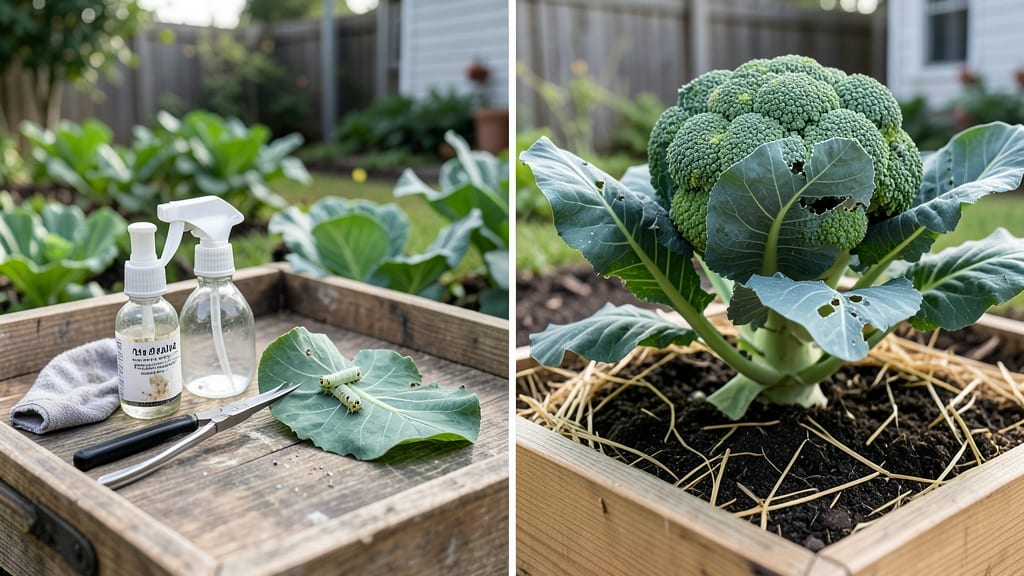
Green leaf eaters turn your thriving greens into skeleton leaves overnight. 🌱 I’ve lost entire rows of kale and cabbage to these hungry pests, but I’ve also learned how to fight back—without harsh chemicals. The key is acting fast, so your plants don’t become a buffet.
Most leaf eaters—like cabbage worms, beetles, or slugs—target tender greens because they’re easy to digest. You’ll spot them as chewed edges, silvery slime trails, or tiny holes in leaves. The damage spreads quickly, so early intervention is everything.
With the right tools—neem oil, row covers, or even a strong spray of water—you can stop the destruction in under 2 minutes. I’ve saved entire plantings by acting at the first sign of trouble, and you can too. Works for any leafy green, from lettuce to broccoli.
Let’s get those plants back to full, lush health!
Hidden Culprits Behind Wilted Greens
Wilted greens aren’t just a sign of age—they’re often a silent scream for help from your leafy friends. Understanding the why behind their droopy state is the first step to bringing them back to life.
Let’s break down the most common causes, backed by science, so you can tackle them like a pro.
When greens like spinach, kale, or arugula sit too long in warm environments, their cell membranes weaken, causing water loss and wilting. Heat accelerates enzymatic activity, breaking down chlorophyll—the pigment that keeps leaves vibrant and crisp.
Why it happens:
- Ethylene gas (a natural plant hormone) speeds up ripening and decay in warm, humid air. If your greens are stored near fruits (like apples or bananas), they’ll wilt faster.
- Oxidation occurs when cut leaves sit exposed to air, turning edges brown and limp within hours.
Actionable fix: Store greens in a sealed container with a paper towel to absorb excess moisture. For extra freshness, submerge stems in ice water for 2 minutes to shock them back to crispness.
Greens aren’t just wilting from thirst—they’re often drowning. When roots sit in soggy soil or leaves stay damp too long, anaerobic bacteria thrive, suffocating plant cells and causing a sad, mushy collapse.
Why it happens:
- Fungal infections (like Botrytis cinerea, aka gray mold) attack damaged or waterlogged leaves, turning them brown and slimy.
- Root rot sets in when containers lack drainage holes, starving leaves of oxygen and nutrients.
Actionable fix:
- Trim damaged leaves with clean scissors to prevent spread.
- Repot in well-draining soil (mix in perlite or coconut coir) and let the top inch dry between waterings.
Even the freshest greens have a shelf life. As they age, chloroplasts degrade, reducing their ability to photosynthesize and stay upright. This is especially true for pre-cut salad mixes, which lose moisture and structural integrity within 3–5 days.
Why it happens:
- Cell turgor pressure (the "plumpness" of leaves) drops as water evaporates faster than roots can replenish it.
- Cut stems can’t absorb water efficiently, leading to rapid wilting.
Actionable fix:
- Revive with a quick soak: Place stems in a glass of cold water + 1 tsp sugar (the sugar feeds cells) for 10 minutes.
- Use a salad spinner to remove excess water after washing—damp leaves wilt faster in the fridge.
Your fridge might be the villain. If greens are stored in high-humidity crispers or next to ethylene-producing produce, they’ll wilt faster than a houseplant forgotten for a week.
Why it happens:
- Cold burns (from freezer temperatures) can damage cell walls, making leaves limp and discolored.
- Plastic bags trap ethylene gas, accelerating spoilage.
Actionable fix:
- Wrap stems loosely in a damp paper towel, then store in a breathable container (like a mesh bag) in the crisper drawer.
- Keep greens dry: Excess moisture in storage = faster mold growth.
Tiny invaders like aphids, slugs, or bacterial leaf spot can silently weaken greens, causing them to wilt before you even notice. Chewed leaves or sticky residue are red flags.
Why it happens:
- Pests disrupt water transport in stems, leading to sudden wilting.
- Pathogens (like Pseudomonas syringae) clog plant vessels, starving leaves of nutrients.
Actionable fix:
- Inspect leaves under water—look for holes, slime trails, or yellowing spots.
- Spray with neem oil (1 tsp per cup of water) to deter pests, or trim infected areas immediately.
Greens need nitrogen, magnesium, and potassium to stay perky. If soil lacks these, leaves turn yellow (chlorosis) and wilt as they struggle to support their own weight.
Why it happens:
- Over-fertilizing with salt can burn roots, preventing water uptake.
- Poor soil structure (compacted or depleted) blocks root growth.
Actionable fix:
- Feed with compost tea or a balanced liquid fertilizer (like fish emulsion).
- Fluff soil around roots to improve aeration and water absorption.
Pro Tip: 💡 Test your greens’ revival rate—if they perk up after 2 minutes in ice water, the issue is likely temporary wilting. If they stay limp, dig deeper into storage, pests, or root health.
Quick fixes for reviving wilted greens
Reviving wilted greens doesn’t have to be a guessing game—just a few simple steps can bring them back to crisp perfection in under two minutes! Whether your leafy veggies lost their snap due to heat, age, or poor storage, these cause-specific solutions will save your salad, smoothies, or stir-fries.
Below, we break down the most common culprits and the fastest fixes, plus prevention tips to keep your greens fresh longer.
Cause: Greens left in direct sunlight or cooked too long wilt and lose moisture instantly.
How to Revive:
- 💧 Plunge in Ice Water – Submerge the greens in a bowl of cold water for 30–60 seconds. The shock revives their structure.
- 🧻 Gently Dry – Pat them dry with a clean towel or paper towels to remove excess water (damp greens spoil faster).
- ❄️ Chill Immediately – Store in an airtight container in the fridge (see Prevention Tips below).
Pro Tip: 💡 If greens are overcooked, trim the mushy stems and use the crisp leaves in cold dishes like salads or wraps.
Cause: Greens left too long in the fridge (or at room temp) lose moisture and turn limp.
How to Revive:
- 🚿 Hydrate with a Vinegar Soak – Fill a bowl with 1 cup cold water + 1 tbsp apple cider vinegar. Soak greens for 1–2 minutes, then drain.
- 👨🍳 Massage Gently – Use your hands to lightly squeeze and reshape the leaves (works best for spinach, kale, or arugula).
- 🌿 Store Upright – Place greens in a jar or container with a paper towel to absorb moisture, then refrigerate.
Pro Tip: ✨ Revive and extend freshness by wrapping greens in a damp paper towel before storing—they’ll stay crisp for 3–5 extra days.
Cause: Excess moisture (like from rain or steam) causes greens to soften and wilt.
How to Revive:
- 🌬️ Air-Dry Completely – Spread greens on a clean kitchen towel or paper towels in a single layer. Let them air-dry for 5–10 minutes.
- 🔥 Warm Water Trick – Dip greens in lukewarm water (not hot!) for 20 seconds, then drain and dry.
- 🍃 Use a Fan (For Bulk Greens) – Place greens on a rack under a low-speed fan for 3–5 minutes to evaporate moisture.
Pro Tip: 🌡️ Never store greens in sealed bags after reviving—always leave a small opening or use a breathable container to prevent sogginess.
Cause: Greens like spinach or collards turn mushy when overcooked, losing their texture forever.
How to Revive (If Still Edible):
- 🔪 Trim the Damage – Snip off wilted stems and overly soft leaves.
- 🥗 Use in Cold Dishes – Toss into salads, grain bowls, or smoothies where texture isn’t critical.
- 🧂 Boost Flavor – Add a dash of lemon juice or salt to perk up the taste.
Prevention Tip: ⏰ Cook greens for just 1–2 minutes—they should stay bright green and slightly crisp. Overcooking = no comeback!
Once you’ve revived your greens, stop the wilt cycle with these habits: - 📊 Store Properly: Keep greens in a sealed container with a paper towel to absorb moisture.
Place a dry towel on top before closing. - 🥬 Wash Right Before Use – Never store washed greens (bacteria grows faster in moisture). - 🌿 Keep Them Upright – Store stems-side down in a jar of water (like flowers!) to hydrate them slowly. - ❄️ Freeze for Backup – Blanch greens (dip in boiling water for 30 sec, then ice bath), dry, and freeze in portions for up to 3 months.
Final Thought: Most greens can be revived without losing nutrients—just act fast! With these tricks, you’ll save money, reduce waste, and always have crisp greens on hand. 🚀
Frequently asked questions
What are the most common leaf-eating pests in gardens?
Cabbage worms, beetles, and slugs are the top culprits. Cabbage worms (green caterpillars) target brassicas like kale and broccoli, while beetles chew irregular holes in leaves. Slugs leave silvery slime trails and create ragged edges. Look for these signs to identify the pest quickly.
How do I tell if my greens are being eaten by insects or animals?
Insect damage shows as tiny holes or chewed edges, while larger animals like rabbits leave clean-cut leaves. Check for droppings (small pellets for insects, larger for animals) and look under leaves—caterpillars often hide there during the day.
Are there organic ways to protect my plants from leaf-eaters?
Yes! Use neem oil (1 tsp per cup of water) as a spray, or try row covers to block pests physically. Diatomaceous earth (food-grade) also works—sprinkle it around plants to deter insects without harming your greens.
Why do some plants seem more attractive to leaf-eaters than others?
Soft, tender leaves (like lettuce or spinach) are easier to chew, making them prime targets. Plants with strong aromas (e.g., basil or mint) often repel pests naturally. Choose heartier varieties like Swiss chard or arugula if you're prone to pest issues.
How often should I check my garden for leaf-eating pests?
Inspect plants 2-3 times per week, especially after rain or when new growth appears. Early detection means faster action—remove pests by hand or treat them before they multiply. Morning checks work best when pests are sluggish from cool temperatures.