
Flowers
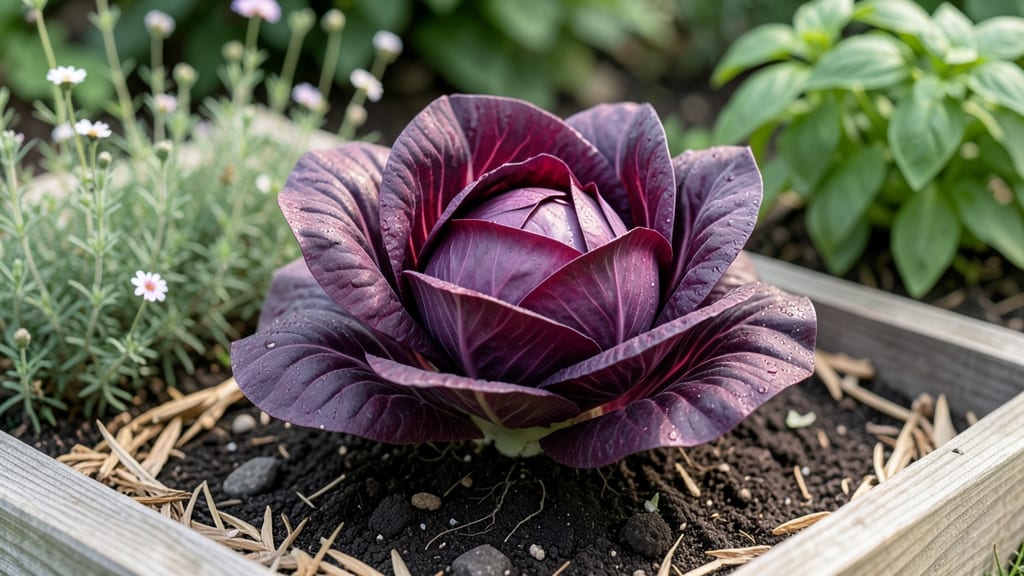
Your garden’s green leaf that turns red when boiled isn’t just a cooking trick—it’s a spectacular plant secret hiding in plain sight. 🌱 Whether you’re growing red cabbage, Swiss chard, or beet greens, this color shift happens thanks to anthocyanins, the same pigments that paint autumn leaves.
The science is simple: heat and acidity (or alkalinity) trigger these compounds to reveal their hidden red hues.
Common edible plants like Swiss chard, red cabbage, and beet greens do this naturally, and growing them is easier than you think. Swiss chard thrives in cool weather, while red cabbage loves full sun and stays crisp even in heat.
Harvest outer leaves first to keep plants productive—no need to pull the whole plant! The redder the leaf, the more vibrant your boiled greens will be.
This isn’t just a pretty party trick—it’s a natural pH indicator. Drop a boiled leaf in vinegar (acidic) and it turns deep red; baking soda (alkaline) makes it blue-green. Culinary benefits?
The red version is packed with antioxidants, and the color stays stunning in salads, soups, or roasted dishes. No downside to plant health or yield—just more flavor and beauty on your plate.
Next time you boil greens, watch the magic unfold. Try growing red-stemmed chard for extra drama—its stems stay vibrant even when cooked. The garden’s secret is already in your pot.
The Science Behind Leaf Color Shifts
Ever wondered why some vibrant green leaves transform into striking red hues when they hit boiling water? The answer lies in a fascinating mix of plant chemistry and environmental triggers. Here’s why this color magic happens—and how to harness it for stunning results.
Most green leaves owe their color to chlorophyll, the pigment that absorbs sunlight for photosynthesis. But beneath the green lies a hidden superstar: anthocyanins, water-soluble pigments that give reds, purples, and blues their vibrancy.
When leaves are exposed to stress—like heat or acidity—they ramp up anthocyanin production as a protective response.
- How it works: Boiling water disrupts cell walls, releasing stored anthocyanins that were previously masked by chlorophyll. Think of it like uncovering a hidden layer of paint.
- Key players: Leaves like red chard, beet greens, and Swiss chard are packed with anthocyanins, making them prime candidates for this dramatic color shift.
- Pro tip: 💡 Young leaves often have higher anthocyanin levels than mature ones, so harvest early for the most intense reds.
Heat isn’t just cooking the leaf—it’s accelerating a biochemical reaction. When water reaches boiling (212°F/100°C), it denatures proteins and breaks down cell structures, forcing anthocyanins to "come out of hiding." But here’s the twist: the longer you boil, the more intense the red—up to a point.
| Boiling Time | Color Result | Why It Happens |
|---|---|---|
| 1–2 minutes | Muted pink-red | Partial anthocyanin release; chlorophyll still dominates. |
| 3–5 minutes | Vibrant red-orange | Optimal balance: chlorophyll degrades while anthocyanins peak. |
| 6+ minutes | Brownish-red (overcooked) | Anthocyanins break down; sugars caramelize, dulling the hue. |
Actionable tip: ✨ For the most vivid red, boil leaves for 3–4 minutes in slightly acidic water (add a splash of lemon juice or vinegar).
Anthocyanins are pH-sensitive, thriving in acidic environments. While boiling water alone triggers their release, adding acid amplifies the effect by stabilizing the pigments. Here’s how pH plays a role:
- Neutral pH (7.0): Leaves turn a dull olive-green or pale red.
- Acidic pH (3.0–5.0): Anthocyanins flourish, producing deep reds, purples, or magentas.
- Alkaline pH (8.0+): Pigments degrade, resulting in muddy browns.
How to acidify your water:
- Add ½ teaspoon of white vinegar or lemon juice per quart of water.
- Use citrus-infused water (e.g., boil leaves in water with orange peels).
- Avoid over-acidifying—too much vinegar can make leaves taste sour.
Next time you boil greens, pay attention to the water’s pH and heat—you’re not just cooking, you’re conducting a color science experiment! 🎨
Fixing the Reddening Mystery
Now that you know why your green leaf turns a stunning red when boiled, let’s tackle how to control—or even enhance—this natural reaction! Whether you’re aiming for a vibrant dish or troubleshooting unexpected color changes, these solutions are practical and easy to follow.
Cause: Boiling too long or at high heat can intensify reddening in certain greens (like red cabbage or beet greens) due to pH shifts or anthocyanin breakdown.
Fix:
- 🍳 Lower the heat – Simmer gently (180–200°F) instead of a rolling boil to slow color transformation.
- ⏰ Reduce cooking time – Test leaves at 3–5 minutes (depending on type) and remove them before they soften too much.
- 🌡️ Use a thermometer – Keep water between 170–190°F for delicate greens like spinach or Swiss chard.
Prevention Tip: If you love bright red hues, embrace the process—just monitor closely! For milder tones, opt for steaming or quick sautéing.
Cause: Adding vinegar, lemon juice, or baking soda can trigger dramatic color shifts in greens like red cabbage or rhubarb leaves.
Fix:
- 💡 Neutralize the water – Use plain water (pH ~7) for consistent results. Avoid acidic/alkaline additives unless intentional.
- 🎯 For intentional reddening (e.g., red cabbage slaw):
- Add 1 tbsp vinegar per quart of water for deeper reds.
- For purples/blues, use ½ tsp baking soda per quart.
- ✨ Rinse after cooking – If accidental color changes occur, drain and rinse greens in cold water to mute intensity.
Pro Tip: If you’re making a colorful dish (like a red cabbage salad), test small batches first to dial in the perfect hue!
Cause: Not all greens redden—some (like kale or collard greens) may turn olive or dull brown instead.
Fix:
- 📊 Pick reddening-friendly greens – Opt for:
- Red cabbage (deepens to purple/red)
- Beet greens (turns ruby-red)
- Rhubarb leaves (bright red when cooked—but note: toxic raw!)
- Swiss chard (red varieties) (fuchsia tones)
- 🥗 Avoid non-reddeners – Spinach, arugula, or regular kale won’t turn red; focus on anthocyanin-rich greens.
Prevention Tip: If you’re experimenting, start with red cabbage—it’s the most forgiving and visually striking!
Cause: Finely chopped greens (like shredded cabbage) release more pigments into cooking water, dulling the final color.
Fix:
- 🍅 Leave larger pieces – Whole leaves or thick strips retain vibrant color longer.
- 🥘 Add greens later – Toss in chopped greens in the last 1–2 minutes of cooking to preserve brightness.
- 🔪 Use a sharp knife – Clean cuts prevent bruising, which can leach pigments prematurely.
Pro Tip: For salads or raw dishes, massage greens with a pinch of salt before serving to enhance natural red tones without cooking!
Cause: Bruised, wilted, or old greens may develop off colors when cooked due to oxidation or nutrient loss.
Fix:
- 💡 Store properly – Keep greens in loose bags (not airtight) in the fridge for up to 5 days.
- 🌡️ Prep fresh – Wash and chop greens right before cooking to avoid browning.
- 🥗 Soak in cold water – If greens look limp, soak in ice water for 10 minutes to revive them.
Prevention Tip: Freeze greens (blanched first) if you won’t use them within a week—they’ll hold their color better when thawed!
If you’re not trying to fix the reddening but enhance it, pair cooked greens with:
- 🍋 Citrus (lemon/lime juice) – Brightens red tones in dishes like beet greens.
- 🧀 Aged cheeses (like blue cheese or gouda) – Complements earthy red hues.
- 🥑 Healthy fats (olive oil, avocado) – Helps retain vibrant colors post-cooking.
Final Thought: Whether you’re troubleshooting or crafting a showstopping dish, the key is control—heat, time, pH, and prep all play a role. Now grab your pot and experiment! 🍽️✨
Frequently asked questions
Why do some leaves turn red when boiled but others don’t?
Leaves like red cabbage, beet greens, and Swiss chard contain anthocyanins, pigments that reveal their true colors when heated. Other greens (like spinach or kale) lack these pigments, so they won’t redden—they’ll turn olive or brown instead. Think of it as a natural pH test!
Can I make leaves turn red without boiling them?
Yes! Try steaming or sautéing with a splash of lemon juice or vinegar—the acidity triggers anthocyanins just like boiling. For raw dishes, massage leaves with salt to enhance their natural red tones. Pro tip: Young leaves often redden more dramatically than mature ones.
Is it safe to eat leaves that turn red when cooked?
Plants like red cabbage, beet greens, and Swiss chard are perfectly safe and nutritious. Just avoid rhubarb leaves (toxic raw) and always cook greens thoroughly. The red color actually signals higher antioxidant levels—great for your health!
How can I grow more of these reddening leaves at home?
Start with easy-to-grow varieties like Swiss chard (cool weather) or red cabbage (full sun). Harvest outer leaves first to keep plants productive. Use well-draining soil and water consistently—these plants thrive with minimal fuss and reward you with stunning color changes!
Why does my reddened leaf turn brownish after a few minutes?
Overcooking breaks down anthocyanins, causing them to oxidize and turn brown. For perfect reds, boil for 3–4 minutes max in slightly acidic water. If it happens, try steaming instead—it’s gentler and preserves the vibrant hue longer.