
Flowers
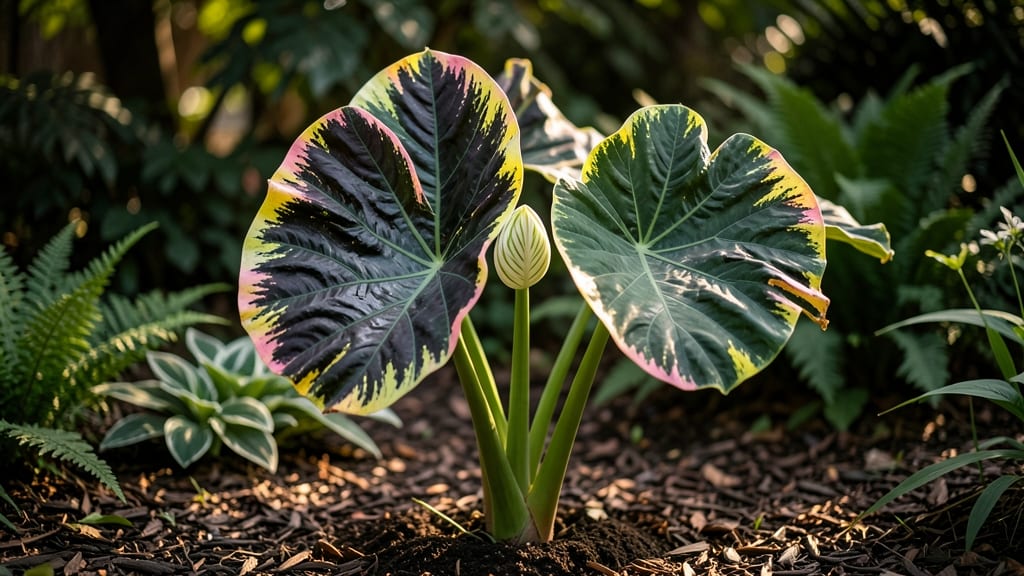
When this flower has turned a new leaf—literally—it’s not a sign to toss it out. 🌿 This sudden growth spurt often means your plant is fighting back after stress, and with the right care, it can bounce back stronger than ever.
I’ve nursed back more than a few "dead" blooms using these simple tricks, and the results are always shocking.
The most common causes are overwatering, nutrient starvation, or sudden temperature swings—all things you can fix without fancy tools. Look for new leaves that feel soft but sturdy (not mushy) and check the roots: healthy ones are white or light brown, not black or slimy.
This is your plant’s way of saying, "I’m still here—help me recover!"
With the right adjustments—like adjusting watering schedules, adding balanced fertilizer, or moving to better light—you’ll see those leaves thicken and regain color within 2-4 weeks. Some plants even reward you with more blooms than before, once they’ve recovered their strength.
Works for everything from houseplants to garden perennials, and the best part? You’ll learn to spot early warning signs before the damage gets serious. Let’s get that plant back in fighting shape!
Root Causes Behind Sudden Growth Shifts
When your once-vibrant flower suddenly sprouts fresh leaves or blooms in a new pattern, it’s often a sign of underlying changes—some helpful, others a cry for attention. Understanding why this happens can help you nurture the shift or correct it before it’s too late.
Let’s break down the science and scenarios behind these surprising transformations.
Plants are resilient, but extreme conditions can shock them into a "reset mode." When a flower experiences sudden stress—like drought, heatwaves, or cold snaps—its survival instincts kick in. This can manifest as:
- New leaf growth: The plant prioritizes producing hardier, smaller leaves to conserve water (a trait called heliotropism in some species). Think of it as a survival hack—sacrificing showy blooms for functional growth.
- Color shifts: Stress can alter chlorophyll production, leading to paler or deeper hues. For example, Coleus leaves may darken under low light, while Geraniums might bleach in intense sun.
- Bloom changes: Some flowers (like Petunias) produce fewer but larger blooms under stress, while others (e.g., Impatiens) may halt flowering entirely to redirect energy.
Actionable fix: Gradually acclimate plants to new conditions. For drought stress, water deeply but infrequently to encourage deep root growth. Use shade cloth for heatwaves or move pots to a sheltered spot during cold snaps.
Not all new growth is a distress signal—sometimes, it’s programmed into the plant’s DNA or tied to seasonal cycles. Here’s how:
- Dormancy breaks: Many perennials (e.g., Peonies or Daylilies) shed old foliage in winter to regrow stronger in spring. This "turning over a new leaf" is natural and signals the plant’s readiness to bloom again.
- Photoperiod shifts: Short-day plants (like Chrysanthemums) or long-day plants (e.g., Snapdragons) rely on daylight hours to trigger growth. A sudden change in light exposure—like moving a plant indoors—can disrupt blooming cycles and spur leafy regrowth.
- Hybrid vigor: Some flowers (e.g., Roses or Orchids) produce unexpected new shoots when grafted or cross-pollinated, leading to hybrid offspring with altered leaf shapes or colors.
Actionable fix: For seasonal changes, embrace the cycle! Prune dead growth in early spring to encourage fresh shoots. If light exposure is the issue, use grow lights to mimic natural daylight for indoor plants.
When pathogens or pests attack, flowers often respond by producing abnormal leaves or growths as a defense. Common culprits include:
| Symptom | Likely Cause | What’s Happening |
|---|---|---|
| Thickened, curled leaves | Spider mites or Aphids | The plant’s cells produce extra wax or hair (trichomes) to trap pests, but this can distort leaf shape. |
| Stunted, yellowed new growth | Fungal infections (e.g., Powdery mildew) | The plant diverts nutrients to fight the fungus, leading to weak, chlorotic (yellow) leaves. |
| Galls or warty growths | Bacterial or Nematode infestations | The plant forms abnormal tissue to isolate the invader, often at the cost of normal blooms. |
Actionable fix: Isolate infected plants and treat with neem oil (for pests) or copper fungicide (for diseases). Remove severely damaged leaves to prevent spread. Pro tip:💡 Inspect the undersides of leaves first—pests often hide there!
Too much (or too little) of a good thing can send a flower’s growth spiraling. Here’s how nutrients play a role:
- Nitrogen overload: Excess nitrogen (from fertilizers) promotes leafy growth at the expense of blooms. Flowers like African Violets may produce lush foliage but skip flowering entirely.
- Phosphorus deficiency: Without enough phosphorus, roots and flowers struggle, leading to small, dark leaves and weak stems (common in Orchids or Roses).
- Potassium or magnesium shortages: These deficiencies cause interveinal chlorosis (yellowing between leaf veins), mimicking nutrient shifts that trigger regrowth.
Actionable fix: Test your soil (or use a DIY kit) and adjust fertilizers. For leaf-heavy growth, switch to a low-nitrogen, high-phosphorus formula (e.g., 5-10-10). Pro tip:✨ Flush soil with water every 2–3 months to prevent salt buildup from fertilizers.
Next up: How to Encourage (or Correct) These Changes—because not every new leaf is a bad sign!
Reviving Wilted Blooms Step by Step
Seeing your once-vibrant flowers drooping can feel like a slow-motion heartbreak—but don’t toss them just yet! With the right care, many wilted blooms can bounce back to life, looking fresher than ever. The key is acting fast and addressing the root cause (literally and figuratively).
Below, we’ve mapped out practical, step-by-step solutions tailored to common issues, plus tips to keep your flowers thriving long-term. Let’s turn that sad stem around!
Signs: Yellowing leaves, mushy stems, or crispy, brown edges.
How to Fix It:
- 🚰 Drain the Damage - If the soil is soggy, gently remove the plant from its pot and let excess water drain for 30 minutes.
Place it in a well-ventilated spot (but avoid direct sunlight). - For underwatering, soak the roots in room-temperature water for 10–15 minutes, then replant in fresh, moist (not soggy) soil.
- 🌱 Adjust Your Watering Routine - Overwatered? Wait until the top 1–2 inches of soil feel dry before watering again. Use a pot with drainage holes and a soil mix designed for your plant type. - Underwatered? Water deeply but infrequently—most flowers prefer a “drench and dry” cycle.
Stick your finger in the soil to check moisture levels.
- 💡 Pro Tip:
- Use a moisture meter or the “squeeze test”: Grip a handful of soil—if it crumbles easily, it’s dry; if it stays clumped, hold off on watering.
Signs: Bleached or crispy leaf edges, wilting despite moist soil, or sudden leaf drop.
How to Fix It:
- 🌿 Relocate with Care - Move the plant to a spot with indirect sunlight (east-facing windows are ideal).
If it’s been in full sun, acclimate it gradually over 3–5 days. - For shade-loving flowers (like ferns or peace lilies), ensure they’re not getting even filtered sunlight—cover them with a sheer curtain if needed.
- 🌡️ Cool Down the Environment
- If your home gets too hot (above 80°F/27°C), mist the leaves lightly with water or place a tray of ice cubes nearby to increase humidity.
- Avoid placing pots near heaters, radiators, or drafty windows.
- ✨ Prevention Hack:
- Rotate your plant weekly so all sides get even light exposure. Uneven growth (like lopsided leaves) often signals light stress.
Signs: Sticky residue on leaves, holes in petals, black spots, or white webbing.
How to Fix It: 1. 🔍 Identify the Culprit
- Aphids/Spider Mites? Wipe leaves with a damp cloth or spray with soapy water (1 tsp mild dish soap + 1 quart water).
- Fungal Issues (e.g., powdery mildew)? Trim affected leaves and treat with a baking soda spray (1 tsp baking soda + 1 quart water + a drop of soap).
Reapply every 5–7 days.
- 🛡️ Isolate and Quarantine
- Move the infected plant away from others to prevent spreading. Check nearby plants for early signs (like yellowing or sticky leaves).
- 🌿 Boost Immunity
- Strengthen your flower’s defenses with a balanced fertilizer (like 10-10-10) diluted to half-strength. Avoid over-fertilizing, which weakens roots.
- 💡 Organic Rescue:
- For pests, try neem oil spray (1 tbsp neem oil + 1 tsp soap + 1 quart water). Spray early in the morning to avoid burning leaves.
Signs: Roots circling the pot, slow growth, or wilting despite proper watering.
How to Fix It: 1. 🪴 Repot with Confidence
- Gently remove the plant and loosen tangled roots with your fingers. Trim any dark, mushy roots (healthy roots are white or light brown).
- Choose a pot 1–2 inches larger in diameter and fill with fresh, well-draining potting mix.
Water lightly after repotting.
- 🌿 Upgrade the Soil
- If your soil is compacted or nutrient-depleted, mix in perlite or coconut coir (20–30%) to improve aeration. For heavy feeders (like orchids or roses), add a slow-release fertilizer.
- 📅 Post-Repot Care
- Keep the plant in bright, indirect light for 2–3 weeks to reduce stress. Avoid fertilizing for 4–6 weeks to let roots recover.
Signs: Sudden wilting, dark spots on leaves, or stems that feel mushy when touched.
How to Fix It:
- 🌡️ Stabilize the Climate - Move the plant away from AC vents, open windows, or doors.
Ideal temps: 65–75°F (18–24°C) for most flowers. - If your home is too dry (common with AC), use a humidifier or place the pot on a tray of pebbles with water (ensure the pot isn’t sitting in water).
- 🛑 Emergency Warm-Up
- For cold shock, wrap the pot in a towel and place it in a warm (not hot) spot for 12–24 hours. Avoid heat sources like lamps, which can cause uneven stress.
- 🌿 Long-Term Protection
- Group plants together to create a microclimate with stable humidity.
- Use thermal insulation (like bubble wrap around the pot) for sensitive blooms in drafty areas.
- 🍃 Trim the Damaged: Snip off any blackened, yellow, or mushy stems/leaves with clean scissors.
This redirects energy to healthy growth. - 🌿 Prune for Shape: Lightly trim overgrown or leggy stems to encourage bushier, fuller regrowth. - 💧 Bottom-Watering: Place the pot in a shallow tray of water for 10–15 minutes to hydrate roots evenly (great for stubborn wilting). - 🌱 Patience Pays Off: Some flowers (like succulents or orchids) may take weeks to recover.
Monitor progress without overhandling.
With these targeted fixes, your wilted blooms should start perking up within 3–7 days. Remember: Flowers are resilient—think of this as their “come-back stronger” moment. 🌸 And once they’re back in bloom, prevention is your new best friend. Adjust care routines based on what triggered the wilting, and your green friends will thank you with vibrant, long-lasting beauty!
Frequently asked questions
Why are my flower’s new leaves different in shape or color?
New leaves often change due to stress responses like nutrient imbalances or light adjustments. For example, Coleus leaves darken in low light, while Geraniums may bleach under intense sun. This is your plant’s way of adapting—think of it as a survival strategy! Check soil moisture and light exposure first.
Is it normal for flowers to produce new leaves after wilting?
Yes! Many flowers—like Peonies or Daylilies—shed old growth to regrow stronger in spring. This “turning over a new leaf” is natural, especially after dormancy or stress. Just ensure the soil stays moist (not soggy) and the plant gets bright, indirect light to support recovery.
How can I tell if new growth is healthy or a sign of disease?
Healthy new leaves feel firm but flexible, with vibrant color matching the plant’s usual hue. Watch for red flags: yellowing between veins (nutrient deficiency), sticky residue (pests), or warty growths (fungus/bacteria). Isolate suspicious plants and check undersides of leaves for pests.
Will pruning old leaves help encourage new growth?
Prune 1/3 of the plant’s height to redirect energy to new shoots. Use clean scissors and cut just above a leaf node (where new leaves emerge). For overwatered plants, reduce soil moisture first—new leaves need oxygen-rich roots to thrive.
How long should I wait to see results after adjusting care?
With proper adjustments (like balanced watering or light changes), you’ll often see improvement in 2–4 weeks. Patience is key—some perennials (like Roses) may take 6–8 weeks to fully recover. Track progress by monitoring leaf firmness and color consistency.