
Aphids
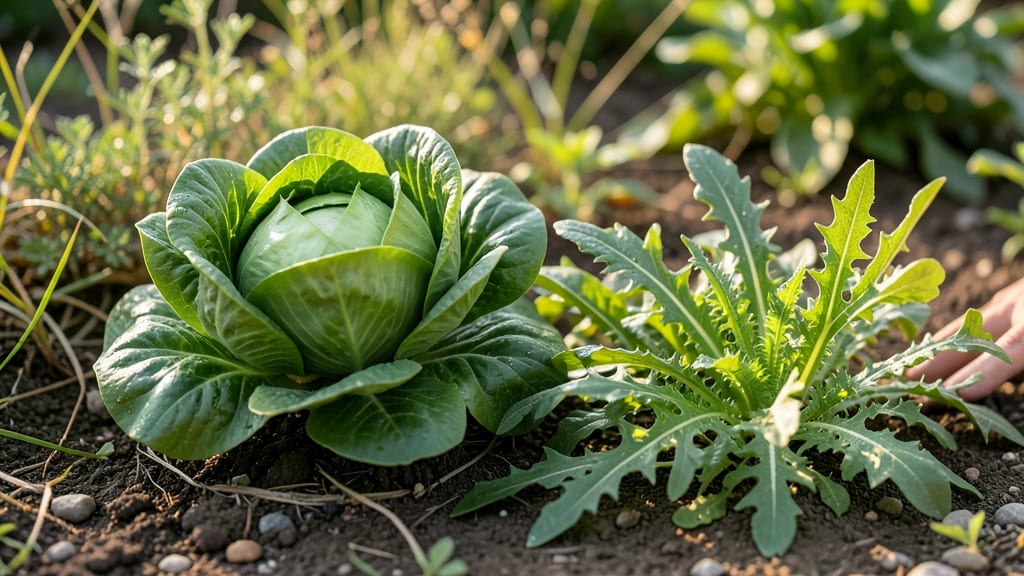
Head lettuce and leaf lettuce grow like night and day—one forms tight, crisp heads while the other gives you endless harvests from a single plant. 🌱 I’ve grown both for years, and the difference isn’t just in the leaves but in how you plant, water, and harvest them.
Head lettuce like romaine or iceberg needs consistent moisture and cool weather to form those perfect, dense heads, while leaf lettuce like butterhead or oakleaf thrives with cut-and-come-again harvesting, even in warmer conditions.
The secret to crisp heads lies in even watering—never let the soil dry out, or you’ll get bitter, loose leaves. Leaf lettuce, on the other hand, forgives more: it keeps producing new growth as long as you snip the outer leaves.
For heads, succession planting every 2 weeks ensures a steady supply, while leaf lettuce can be sown all at once for a continuous harvest. Both love partial shade in hot climates, but leaf lettuce handles heat better.
Harvesting is where the real magic happens. With head lettuce, you wait for that perfect firmness before cutting the whole plant—no second chances. Leaf lettuce, though, rewards patience: harvest outer leaves when they’re big enough, and the center keeps growing.
By mid-summer, my leaf lettuce patch is still producing while head lettuce has bolted. The trade-off? Head lettuce stays crisp longer in storage, while leaf lettuce gives you fresh greens for weeks.
Pick head lettuce if you crave that restaurant-quality crunch and don’t mind planning ahead. Choose leaf lettuce for effortless, long-term harvests and forgiving growing conditions. My garden now grows both: heads for salads and leaf lettuce for sandwiches, ensuring I never run out of fresh greens—no matter the season.
The first product explained
Let’s dive into the star of the crisp, structured salad game—head lettuce! 🥬✨ Whether you're a home gardener or a market-savvy shopper, understanding this variety’s unique traits will help you grow (or buy) the perfect head for your favorite recipes.
🌱 Specs & Features
Head lettuce, like the classic iceberg or romaine, is all about that tight, compact structure. Here’s what sets it apart:
- Growth Habit: Forms a single, dense head with overlapping leaves, often requiring bolting prevention (more on that later!).
- Leaf Texture: Crisp, buttery, or slightly fibrous—ideal for slicing, grilling, or stuffing.
- Color Palette: Ranges from pale green (iceberg) to deep red (romaine) or even purple (butterhead).
- Maturity: Typically ready to harvest in 45–60 days, depending on the variety.
- Storage: Thrives in cool, humid conditions (think 32–40°F) for up to 2 weeks post-harvest.
🎯 Target Users
Head lettuce is the go-to for:
- 🍽️ Salad lovers who crave structure (think Caesar salads, wedge salads, or charcuterie boards).
- 🌿 Home gardeners with limited space—its compact growth makes it perfect for containers or small plots.
- 💼 Chefs and meal preppers needing consistent texture for bulk dishes (e.g., tacos, wraps, or soups).
- 👩🍳 Beginners—its predictable growth and forgiving nature make it a great first crop!
💰 Price Point & Availability
Prices vary by variety and season, but here’s a general snapshot:
| Form | Price Range (USD) | Best Time to Buy/Grow |
|---|---|---|
| Seedlings (6-pack) | $2–$5 | Spring/Fall (avoid summer heat!) |
| Pre-packaged heads (1 lb) | $1.50–$4 | Year-round (cheaper in late spring/early fall) |
| Organic/Heirloom varieties | $3–$7 | Farmers' markets or specialty stores |
Pro Tip: 💡 Buy seeds in bulk for cost savings, or check local community gardens for free seedlings!
The second product explained
Leaf lettuce—the free-spirited, fast-growing cousin of head lettuce—is perfect for gardeners who crave easy, abundant harvests without waiting months for a full head. Unlike its structured sibling, leaf lettuce thrives in loose, tender clusters, making it ideal for cut-and-come-again harvesting. Here’s why it’s a game-changer for your garden:
🌱 Key Features & Specs
- Growth Type: Loose-leaf (no tight head formation).
- Harvest Time: 30–50 days (vs. 60–90+ for head lettuce).
- Flavor Profiles: Mild to peppery (varieties like Black Seeded Simpson or Buttercrunch are crowd-pleasers).
- Cold Hardiness: More frost-tolerant than head lettuce; great for fall/winter planting.
- Pest Resistance: Some varieties (e.g., Oakleaf) are aphid-resistant, though aphids still love them—so stay vigilant!
🎯 Who’s It For?
Leaf lettuce is the ultimate beginner-friendly and space-efficient choice for:
- 👩🌾 Urban gardeners with limited space (grows well in containers!).
- 🐢 Slow harvesters who want greens now (no waiting for heads!).
- 🌿 Salad enthusiasts who love variety (mix colors/textures in bowls!).
- 🔄 Sustainability seekers—harvest outer leaves, let inner leaves regrow!
💰 Price Point & Value
Leaf lettuce seeds are budget-friendly, typically costing $2–$4 per packet (enough for 20+ plants). For organic or heirloom varieties, budget $4–$6. The real value? Multiple harvests per plant over weeks—far more yield than head lettuce!
💡 Pro Tip for Aphid-Prone Gardens
Leaf lettuce’s rapid growth means aphids can strike fast. Prevent them early:
- 🌱 Interplant with marigolds or nasturtiums (aphid repellents!).
- 💦 Spray with neem oil weekly if aphids appear (leaf lettuce recovers faster than head lettuce!).
- 🐞 Encourage ladybugs—they’re aphid hungry hunters!
Head-to-head comparison
Ready to dive into the great lettuce showdown?
Whether you're a backyard gardener or a kitchen enthusiast, understanding the key differences between head lettuce and leaf lettuce will help you make the best choice for your garden—or your salad bowl! 🥗 Let’s break it down with a side-by-side comparison that covers everything from growth habits to taste and versatility.
🌱 Growth Habits & Structure
One of the most obvious differences between these two lettuce types is how they grow. Head lettuce, like iceberg or romaine, forms a tight, compact head with overlapping leaves.
This structure makes it ideal for slicing and storing whole, but it can be trickier to grow in hot climates since the head is more susceptible to bolting (going to seed prematurely).
Leaf lettuce, on the other hand, grows in a loose, sprawling manner with individual leaves that don’t form a head. Varieties like buttercrunch, oakleaf, or loose-leaf red are perfect for cut-and-come-again harvesting, meaning you can snip outer leaves and let the rest keep growing.
This makes leaf lettuce a favorite for continuous harvests and heat-tolerant gardens.
| Feature | Head Lettuce | Leaf Lettuce |
|---|---|---|
| Structure | Tight, compact head | Loose, individual leaves |
| Harvest Style | Harvest entire head at once | Cut-and-come-again (harvest outer leaves) |
| Heat Tolerance | Moderate (bolts easily in heat) | Higher (many varieties tolerate heat better) |
🍽️ Taste & Texture
If you’re all about crunch, head lettuce is your best friend. Varieties like iceberg offer that classic crisp, refreshing bite, while romaine delivers a slightly peppery, sturdy texture—perfect for Caesar salads or grilling. Head lettuce tends to have a milder, sweeter flavor when fully mature.
Leaf lettuce, however, brings flavor variety and texture diversity to the table. Buttercrunch has a buttery, tender bite, while oakleaf offers a rich, slightly earthy taste with a delicate crunch. Red leaf lettuce adds a bold, slightly tangy kick that pairs beautifully with spicy dressings or bold flavors.
Plus, leaf lettuce often has a more concentrated flavor since you’re eating the leaf directly rather than the core.
| Attribute | Head Lettuce | Leaf Lettuce |
|---|---|---|
| Crispness | High (especially iceberg, romaine) | Moderate to low (varies by variety) |
| Flavor Intensity | Mild to sweet | Bold, earthy, or tangy (depends on variety) |
| Versatility | Best for slicing, wedges, or whole-head dishes | Ideal for salads, wraps, sandwiches, or cooking |
💰 Cost & Accessibility
When it comes to price, head lettuce is often the more budget-friendly option at grocery stores, especially for varieties like iceberg. However, organic or specialty head lettuces (like Little Gem) can be pricier.
Leaf lettuce, particularly organic or heirloom varieties, may cost a bit more per pound but offers longer harvest windows and greater yield per plant.
For home gardeners, leaf lettuce might save you money in the long run because you can harvest leaves repeatedly over weeks or even months, whereas head lettuce requires replanting once the head is gone.
Plus, leaf lettuce varieties like loose-leaf arugula or mizuna are often easier to grow from seed and thrive in containers, making them perfect for small spaces or urban gardens.
🌿 Growing & Maintenance
Head lettuce demands a bit more attention to grow successfully. It prefers cool weather (50–70°F) and can bolt quickly if exposed to heat or long daylight hours.
You’ll need to thin seedlings to give plants enough space (usually 12–18 inches apart) and keep the soil consistently moist to prevent bitter flavors or loose heads. Some gardeners use shade cloth in hot climates to slow bolting.
Leaf lettuce, however, is more forgiving. Many varieties are heat-tolerant (like Jericho or Black Seeded Simpson) and can handle wider temperature ranges. They also don’t require thinning as aggressively—you can plant them closer together (6–12 inches apart) and harvest leaves as needed.
This makes leaf lettuce a great choice for beginners or busy gardeners!
| Factor | Head Lettuce | Leaf Lettuce |
|---|---|---|
| Ideal Temperature | Cool (50–70°F) | Cool to moderate (some tolerate heat) |
| Thinning Required? | Yes (space plants 12–18 inches apart) | No (can plant closer, 6–12 inches apart) |
| Harvest Window | Single harvest (whole head) | Extended (cut-and-come-again) |
| Bolting Risk | High in heat | Lower in heat-tolerant varieties |
🥬 Nutrition & Health Benefits
Both types of lettuce are nutritional powerhouses, but they offer slightly different benefits. Head lettuce, particularly romaine, is higher in vitamin K and folate, making it a great choice for bone health and cell repair.
It’s also lower in calories and higher in water content, which keeps you hydrated.
Leaf lettuce, especially red leaf varieties, packs a punch with antioxidants (like
Which one should you choose?
So, which lettuce reigns supreme in your garden or kitchen? The answer depends on your goals, preferences, and lifestyle. Let’s break it down to help you decide:
🌱 Pick Head Lettuce If...
- You crave structure: Head lettuce’s tight, compact form makes it perfect for salads with a chef’s kiss presentation. 🥗✨
- You’re a meal prepper: Its long shelf life (when stored properly) means fewer trips to the store and more time for other veggies.
- You love classic flavors: Varieties like romaine and iceberg deliver that familiar crunch and mild taste we all know and love.
- You’re growing for beginners: Head lettuce is forgiving—it tolerates cooler temps better than most leaf lettuce and forgives minor neglect.
🍃 Pick Leaf Lettuce If...
- You want continuous harvests: Snip-and-come-again leaf lettuce keeps producing for weeks, giving you a steady supply of fresh greens. 🌿🔄
- You’re a flavor adventurer: Leaf varieties like buttercrunch, oakleaf, or red leaf offer bold, nuanced tastes that head lettuce can’t match.
- You’re short on space: Loose-leaf lettuce thrives in containers, hanging baskets, or even between other crops—no need for square footage.
- You prefer versatility: Use it raw in salads, wilted in soups, or even sautéed with garlic and olive oil. The possibilities are endless!
💡 Pro Tip for Hybrid Gardens:
Why choose? Grow both! Dedicate a section of your garden to head lettuce for those showstopping salads and another to leaf lettuce for quick, flavorful bites. Rotate crops to keep pests at bay and enjoy the best of both worlds year-round. 🌍🍽️
Still unsure? Ask yourself: Do I want elegance and longevity (head lettuce) or freedom and variety (leaf lettuce)? Your answer will guide your green thumb’s next move! 🌱💚