
Pruning
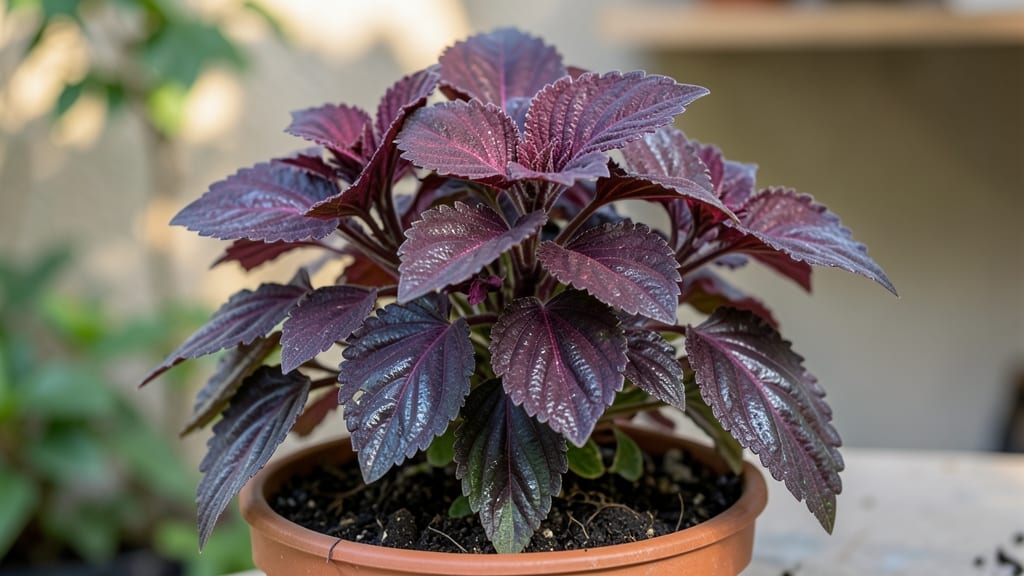
That heart-shaped purple leaf tree transforms any garden into a living work of art. 🌿 I’ve pruned mine for years, and the secret to keeping those deep purple leaves vibrant all season isn’t complicated—it’s about timing, light, and a little strategic cutting.
The right approach turns a seasonal accent into a year-round showstopper.
Start by snipping leggy stems in early spring to encourage bushier growth. These plants thrive in partial shade, so avoid harsh afternoon sun that can bleach the foliage. Pair them with silver-leaved plants like lamb’s ear or dusty miller—the contrast makes the purple pop even more.
With proper pruning, you’ll see richer color, denser foliage, and even flowers (yes, some varieties bloom!). The key is to shape them lightly in spring and trim spent leaves in fall. My shade garden now gets compliments year-round, and the tree stays compact enough for containers too.
Works in cottage gardens, modern landscapes, or even as a striking houseplant. Let’s make yours the envy of the neighborhood—without the guesswork.
📚 In This Guide
- What you need
- Instructions
- Tips and common mistakes
- Wrapping up and next steps
What you need
- ● Pruning shears: Sharp, bypass-style shears (for clean cuts on small branches). Recommended: Felco F-2 or similar (1 pair).
- ● Loppers: For thicker branches (½"–1½" diameter). Recommended: Corona 44007 (1 pair).
- ● Pruning saw: For branches >1½" in diameter (e.g., Fiskars X27).
- ● Gloves: Heavy-duty, cut-resistant gloves (e.g., Mechanix Wear).
- ● Ladder: Sturdy, extension ladder (20–30 ft, depending on tree height).
- ● Disinfectant: 70% isopropyl alcohol or rubbing alcohol (small bottle) to sterilize tools between cuts.
- ○ Pruning sealant: Optional but helpful for large cuts (e.g., Tanglefoot Tree Wound Pruning Seal).
- ● Weather check: Prune on a dry, overcast day (avoid extreme heat or cold).
- ● Safety gear: Safety glasses and long sleeves/pants (to protect from thorns or debris).
- ● Cleanup supplies: Heavy-duty trash bags (2–3) and a wheelbarrow or bucket for debris.
- ● Tree knowledge: Identify dead, diseased, or crossing branches before starting (a quick online guide or app like PictureThis helps!).
Instructions for pruning your heart-shaped purple leaf tree
Keep that stunning foliage lush all year with these simple pruning techniques.
✂️ Step 1: Time Your Pruning for Maximum Impact
Prune your heart-shaped purple leaf tree in early spring—just as new growth begins to emerge. This timing ensures you remove dead wood while encouraging fresh, vibrant foliage before summer heat arrives. Avoid pruning in late fall or winter, as the tree needs its branches to protect tender growth during dormancy.
Watch for bud swell on the stems as your first clue—these plump, green bumps signal the tree is waking up. If you miss spring, late summer is your second-best window, but prune carefully to avoid stimulating new growth that won’t harden off before frost.
✂️ Step 2: Remove Dead or Damaged Branches First
Start by cutting out any dead, diseased, or crossing branches—these compete with healthy growth and can invite pests. Use clean, sharp pruners to make 45-degree cuts just outside the branch collar (the swollen area where the branch meets the trunk). This prevents unsightly stubs and promotes faster healing.
Look for branches with brown, brittle wood or those rubbing against others. If a branch is less than 1/4 inch thick, you can snap it off by hand—just bend it until it breaks cleanly at the base. For thicker branches, your pruners will be your best tool.
✂️ Step 3: Shape for Balance and Airflow
Step back and assess the tree’s overall shape—aim for an open, rounded form that lets light and air reach the center. Remove any branches growing inward or downward, as these create dense, shaded areas where foliage weakens. Cut back to a healthy outward-facing bud or side branch to encourage new growth in the right direction.
Thin out crowded areas by removing every other branch in tight clusters. This improves airflow, reducing the risk of fungal diseases. If your tree has leggy growth, prune back by 1/3 to 1/2 to encourage bushier, fuller foliage.
✂️ Step 4: Maintain Year-Round with Light Trimming
After the main pruning, do a quick check every 4-6 weeks to remove any yellowing leaves, weak shoots, or stray suckers at the base. These small adjustments keep the tree looking polished without shocking it. Use hand pruners for precision—avoid heavy-handed cuts that strip bark.
In late summer, give the tree a light shaping trim to remove any overgrown branches before fall. This prevents winter wind damage and keeps the tree’s heart-shaped silhouette intact. Always sterilize your tools with rubbing alcohol between cuts to prevent spreading disease.
⏰ Step 5: Post-Pruning Care for Rapid Recovery
Water the tree deeply after pruning to help it recover from stress. Focus on the root zone, giving it 1-2 gallons depending on its size. Mulch around the base with 2-3 inches of organic mulch (like shredded bark) to retain moisture and regulate soil temperature.
Monitor the tree for new growth in 2-4 weeks—this is your sign that pruning worked. If you notice excessive leaf drop or wilting, the cuts may have been too severe. Next time, reduce the amount you remove by 10-20% to avoid overstressing the tree.
Tips & tricks for pruning your heart-shaped purple leaf tree
Here's what I've learned after years of keeping these trees looking their absolute best—simple tricks that make all the difference in keeping your tree's vibrant purple foliage thriving.
Timing is Everything: That early spring window is critical because it's when the tree naturally starts its growth cycle. If you prune too early, you might remove buds that haven't opened yet, and if you wait too long, you'll encourage new growth that won't harden off before winter. I always check for bud swell—those little green bumps are your perfect signal that it's time to prune. In my experience, waiting until you see these means you're right on schedule.
The Right Cut Makes All the Difference: When you're making those 45-degree cuts in Step 2, think of the branch collar as your guidepost. Cutting just outside it prevents unsightly stubs and helps the wound heal faster. For branches thicker than 1/4 inch, I recommend using pruners—thinner branches can be snapped off cleanly by hand, but thicker ones need that clean cut to prevent tearing. This is where most people go wrong—they cut too close or too far, which stresses the tree.
Shape with Purpose: In Step 3, when you're assessing the tree's shape, remember that open and airy is always better than dense. I like to visualize light pouring through the center of the tree—this is how you know you're creating the perfect environment for healthy foliage. That heart shape you love? It's all about removing branches that grow inward or downward. Cut back to an outward-facing bud to encourage new growth in the right direction, and you'll maintain that iconic silhouette year after year.
Post-Pruning Care is Non-Negotiable: After you've finished pruning, don't just walk away! That deep watering in Step 5 is absolutely essential—focus on the root zone and give it 1-2 gallons depending on the tree's size. I also like to add a 2-3 inch layer of organic mulch right after pruning. This helps regulate soil temperature and retain moisture, which is crucial during the tree's recovery period. Think of it as giving your tree a cozy blanket to help it bounce back.
Pro Tips for Heart Shaped Purple Leaf Tree
- Here's what I've learned after years of keeping these trees looking their absolute best—simple tricks that make all t...
- Timing is Everything: That early spring window is critical because it's when the tree naturally starts its growth cyc...
- The Right Cut Makes All the Difference: When you're making those 45-degree cuts in Step 2, think of the branch collar...
Frequently asked questions
Got questions about keeping your heart-shaped purple leaf tree looking its best? You’re in the right place! Here are answers to the most common queries—from pruning tips to troubleshooting—so you can enjoy that stunning foliage all year round.
When is the best time to prune my heart-shaped purple leaf tree for vibrant foliage?
The ideal time to prune is late winter or early spring, just before new growth begins. This encourages fresh, healthy foliage while avoiding stress during dormancy. Avoid heavy pruning in summer or fall, as it can stunt growth or weaken the tree. Pro tip: Light trimming to shape can happen anytime, but major cuts wait for the off-season!
How much can I trim without harming the tree?
For heart-shaped purple leaf trees, never remove more than 25% of the foliage in one session. Over-pruning can shock the tree, leading to sparse growth or even death. Focus on dead, diseased, or overcrowded branches first, then lighten up the canopy for airflow. Think of it like a haircut—less is more for long-term health!
Why are my purple leaves turning green? Is this normal?
If your purple foliage is fading to green, it’s often due to too much sunlight, poor soil nutrition, or overwatering. Purple leaf trees thrive in partial shade (4–6 hours of sun daily). Check your soil—low phosphorus (found in bone meal) can dull the color. A balanced fertilizer in spring should bring back that vibrant hue!
Are there alternatives to the heart-shaped purple leaf tree with similar care?
If you love the look but want options, consider these low-maintenance, purple-foliaged trees:
- Japanese Maple (Acer palmatum) – Dwarf varieties like ‘Bloodgood’ offer deep purples and easy pruning.
- Smokebush (Cotinus coggygria ‘Royal Purple’) – Drought-tolerant with smoky purple leaves.
- Purple Leaf Plum (Prunus cerasifera ‘Atropurpurea’) – Cold-hardy and great for small spaces.
What should I do if my tree’s leaves are yellowing or dropping?
Yellowing or dropping leaves usually signal overwatering, root rot, or nutrient deficiency. First, check the soil moisture—purple leaf trees prefer well-draining soil. If roots smell foul or are mushy, reduce watering and improve drainage. A chelated iron supplement can help with yellowing from poor nutrition. Act fast—consistent issues can weaken the tree!
Can I prune in containers? What’s different?
Yes! Container-grown heart-shaped purple leaf trees follow the same pruning rules, but size matters. Since roots are confined, prune even more conservatively (15% max per session) to avoid stress. Repot every 2–3 years to refresh soil, and use a fast-draining mix to prevent root rot. Container trees also benefit from annual root pruning to encourage bushier growth!
Wrapping up and next steps
Transforming your heart-shaped purple leaf tree into a stunning year-round showpiece is totally within reach—with the right pruning know-how! 🌿 By mastering seasonal trims, shaping techniques, and disease prevention, you’ll keep those vibrant purple leaves lush and full of life.
Remember, patience and consistency are key, so don’t rush the process.
Now that you’re armed with tips and tricks, grab those shears and get pruning! 🌱 Start with a small session this weekend, and soon, your tree will be the envy of the neighborhood. Happy gardening!