
Trees
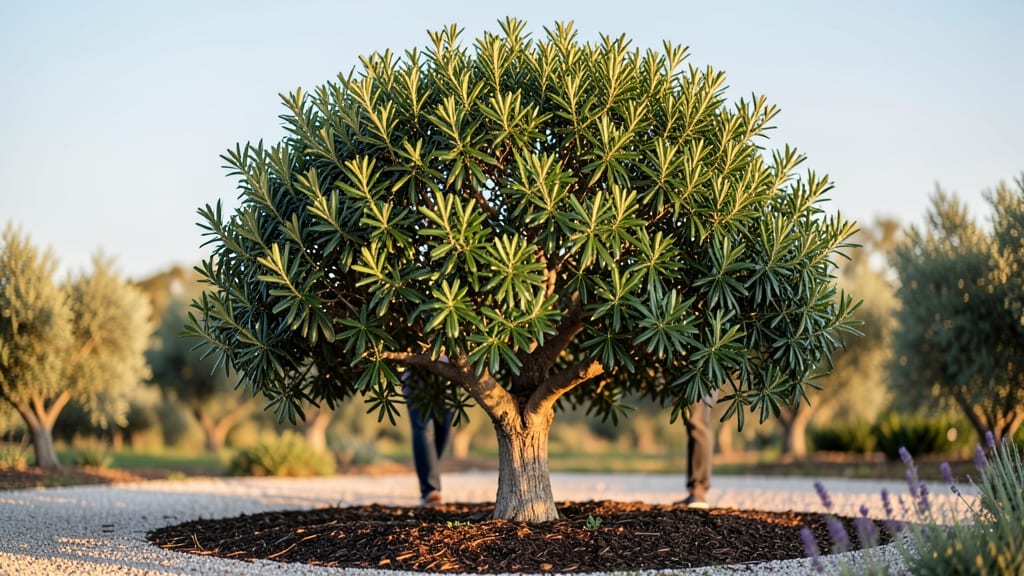
A bay leaf tree grows to 10 to 40 feet tall and spreads 10 to 20 feet wide—enough to outgrow most backyards if left unchecked 🌿.
If you’re dreaming of fresh bay leaves for cooking but lack yard space, understanding how big a bay leaf tree grows could save your garden—and your patience—from disappointment.
This evergreen beauty thrives in USDA Zone 6a and beyond, but its size depends on whether you plant it in the ground or a container. Without pruning, it can tower over your patio, while strategic trimming keeps it manageable for small spaces.
In this guide, I’ll break down the exact dimensions, growth habits, and space-saving tips so you can grow a bay leaf tree that fits your home—without sacrificing those aromatic leaves.

Bay leaf tree size: exact height, spread & growth rate breakdown
If you're planning to grow a bay leaf tree (Laurus nobilis), knowing its mature size is crucial—especially if you're working with limited space.
The Sweet Bay Laurel, the most common variety, typically reaches 10 to 40 feet tall with a spread of 15 to 25 feet when planted in the ground. However, growth rates and final dimensions can vary significantly based on variety, growing conditions, and pruning habits.
Understanding these factors will help you choose the right location and care approach for your garden.
For container growing, where root restriction naturally limits size, you can expect a dwarf bay leaf tree to stay between 8 to 12 feet tall with careful pruning.
The California Bay Laurel (Umbellularia californica), a close relative, grows even larger—up to 60 feet tall in ideal conditions—but is less commonly used for culinary purposes. Below, we’ll break down the exact dimensions, growth rates, and space requirements for both varieties, so you can plan accordingly.
| Variety | Mature Height | Mature Spread | Growth Rate (Annual) | Best For |
|---|---|---|---|---|
| Sweet Bay Laurel (Laurus nobilis) | 10–40 ft | 15–25 ft | 12–24 in | Ground planting, containers (pruned) |
| California Bay Laurel (Umbellularia californica) | 30–60 ft | 20–40 ft | 18–36 in | Large landscapes, woodland gardens |
| Dwarf Bay Laurel (Container-Grown) | 8–12 ft | 6–10 ft | 6–12 in | Patios, balconies, small yards |
The Sweet Bay Laurel is the variety most gardeners grow for culinary bay leaves, and its growth rate depends heavily on sunlight, soil quality, and water availability. In optimal conditions, it can grow 1 to 2 feet per year during its first decade.
After reaching maturity, growth slows to about 6 to 12 inches annually. If you’re growing it in a container, expect slower growth due to root restriction, but regular pruning can keep it compact and productive.
For ground planting, a bay leaf tree needs ample space—at least 15 feet in diameter—to avoid overcrowding nearby plants. In smaller yards or urban settings, consider planting it against a fence or wall to save space while still allowing it to reach its full height.
If you’re using it purely for leaf production, you can prune it into a hedge shape, which will limit its spread while keeping it manageable.
One common misconception is that bay leaf trees grow quickly, but in reality, their growth is moderate. The first year after planting, you’ll see 2 to 4 feet of growth, but subsequent years will slow down unless you provide ideal conditions.
Overwatering or poor soil drainage can stunt growth, while full sun exposure and well-draining soil will encourage healthier, faster development. If you’re growing it in a container, choose a pot at least 24 inches in diameter to accommodate its root system.
If you’re wondering whether a bay leaf tree can thrive in a small backyard or patio, the answer is yes—with the right approach. By pruning it regularly and using containers, you can keep it under 8 feet tall while still harvesting plenty of leaves.
Just remember that even dwarf varieties will need at least 6 hours of sunlight daily and consistent care to stay healthy. With the right conditions, you can enjoy fresh bay leaves without sacrificing your garden’s layout.
For those in cooler climates (USDA Zones 7–10), the Sweet Bay Laurel is hardy and will grow steadily year-round. In colder regions, it may lose leaves in winter but will regrow in spring.
If you’re in a container, bring it indoors or protect it from frost to prevent damage. The key to managing its size lies in regular pruning—especially in late winter or early spring—when the tree is still dormant but before new growth begins.
When planning your garden layout, consider the long-term space requirements of a bay leaf tree. If you’re planting it near other shrubs or perennials, leave at least 10 feet of clearance on all sides to prevent competition for nutrients and water.
In containers, rotate the pot occasionally to ensure even growth and avoid the tree leaning toward the light. With thoughtful placement and care, you can enjoy a bay leaf tree that fits your space while still providing a bountiful harvest of aromatic leaves.
If you’re new to growing bay leaf trees, start with a smaller variety or container-grown specimen to test your gardening skills. Once you’re comfortable with its care, you can expand to a larger tree if desired.
The beauty of bay leaf trees is their versatility—they can thrive as a culinary herb, ornamental shrub, or even a topiary with the right pruning techniques. Whether you’re a seasoned gardener or just starting, understanding its growth habits will help you create a thriving, space-efficient garden.
🌿
Can you grow a bay leaf tree in small spaces? Container gardening tips
Growing a bay leaf tree in containers isn’t just possible—it’s one of the best ways to enjoy fresh leaves for cooking without sacrificing your small space. With the right container gardening tips, you can keep your tree compact while still harvesting plenty of aromatic leaves.
The key lies in understanding how to control its growth naturally, so let’s dive into the strategies that work.
Bay trees thrive in containers but need careful management to prevent them from becoming too large. A mature bay tree can reach 10-40 feet in the ground, but with pruning and root restriction, you can keep it between 6-10 feet in a container.
The secret? Start with the right container size and prune regularly to encourage bushier growth and more leaf production.
- Choose a container at least 24 inches wide and deep—this gives roots room to grow without becoming root-bound too quickly.
- Use a well-draining potting mix with perlite or sand to prevent waterlogging, which can stunt growth.
- Prune new growth in early spring to encourage bushier growth and prevent the tree from becoming leggy.
- Place your container in full sun (6+ hours daily)—this maximizes leaf production and keeps the tree healthy.
- Fertilize every 4-6 weeks during growing season with a balanced fertilizer to support compact growth.
- Harvest leaves regularly—this stimulates new growth and keeps the tree productive without overcrowding.
One of the biggest mistakes in container gardening is choosing a pot that’s too small. A bay leaf tree in a cramped container will grow slowly and produce fewer leaves.
Aim for at least 24 inches in diameter—this gives the roots enough space to support healthy growth while keeping the tree manageable. If you’re worried about space, opt for a dwarf variety like 'Angustifolia', which stays smaller and is perfect for containers.
Pruning is your best friend when growing a bay tree in small spaces. By pruning new growth in early spring, you encourage the tree to branch out instead of growing tall.
This not only keeps the tree compact but also increases leaf production—meaning more fresh bay leaves for your kitchen! Just be sure to use clean, sharp pruners to avoid damaging the tree.
Don’t forget about light exposure. A bay tree needs full sun to thrive, so place your container in the sunniest spot you have. If you’re growing indoors near a window, a south-facing window is ideal.
Without enough light, your tree will grow slowly and produce fewer leaves, defeating the purpose of container gardening.
With these container gardening tips, you can enjoy a healthy, productive bay leaf tree even in the smallest of spaces. Whether you’re harvesting leaves for cooking or just love the aroma, a well-managed container-grown bay tree is a game-changer for any small garden or balcony. Happy growing!