
Pests
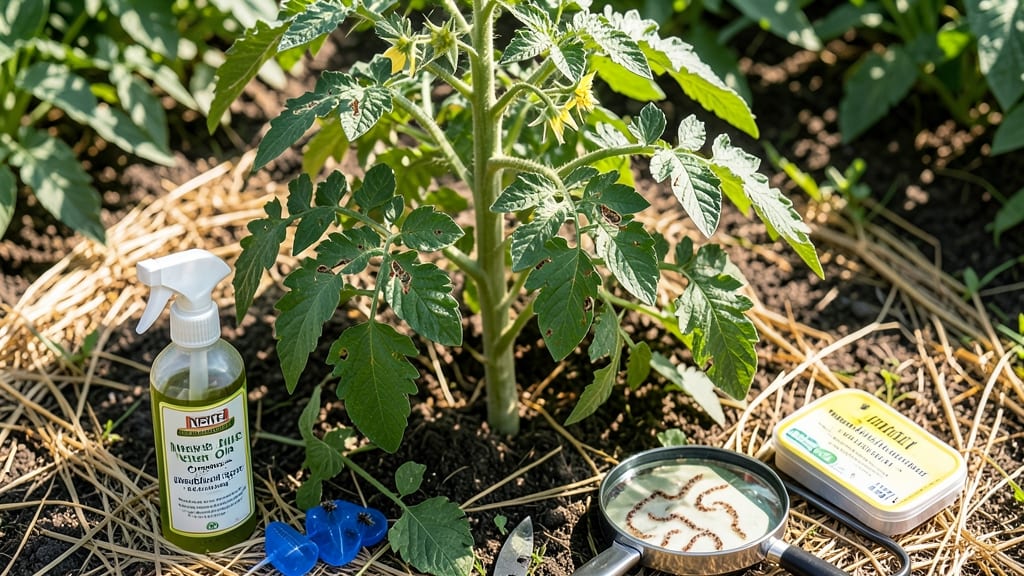
Leafminers turn your basil and tomato leaves into skeletal lace. 🌿 I've battled these tiny invaders for years, and this 24-hour spray cure stops them dead in their tracks—no harsh chemicals needed.
The secret lies in a homemade spray that smothers eggs and larvae while luring beneficial wasps to clean up the rest. Most gardeners overlook the silverleaf whitefly connection, but that's exactly where these pests start. A single spray application transforms wilted plants into vibrant green ones within days.
You'll see results by morning: no more squiggly trails, no more wilting leaves. The spray works on tomatoes, beans, and herbs alike, and the ingredients are likely already in your pantry. The key is timing—apply when larvae are young and vulnerable.
This method works in backyard gardens, containers, and raised beds alike. Let's get those plants healthy again!
The Hidden Triggers Behind Leafminers
Leafminers may seem like a mysterious menace, but their presence is rarely random. These tiny, serpentine larvae—belonging to the Agromyzidae family—don’t just appear out of nowhere. Understanding their behavior and the conditions that invite them into your garden is the first step to preventing (and eliminating) them.
Let’s break down the real culprits behind leafminer infestations, so you can address the root causes like a pro.
Leafminers are opportunistic feeders, and they have a knack for spotting plants that are already struggling. Here’s why they zero in on vulnerable foliage:
- Nutrient Deficiencies 📊 Plants lacking essential nutrients (like nitrogen, phosphorus, or potassium) produce thinner, weaker leaves—perfect for leafminer larvae to burrow into. A quick soil test can reveal imbalances, and a balanced fertilizer (like a 10-10-10 NPK blend) can restore plant health.
- Overwatering or Poor Drainage 💦 Soggy soil invites fungal diseases (e.g., powdery mildew) and softens plant tissue, making it easier for leafminers to chew through leaves. Ensure your plants have well-draining soil and water only when the top inch is dry.
- Physical Damage or Overcrowding 🌿 Plants that are bruised, pruned improperly, or grown too closely together create entry points for pests. Leafminers exploit these weaknesses, so prune strategically (remove only necessary growth) and space plants to improve airflow.
Leafminers don’t just strike in summer—they’re highly seasonal, and their life cycle is tightly linked to temperature and humidity.
- Warm, Humid Conditions (Spring & Early Summer) 🌡️ Adult leafminer flies (which look like tiny fruit flies) are most active when temperatures hover between 60–85°F (15–29°C).
They lay eggs on the undersides of leaves, and within 3–10 days, larvae hatch and start mining. Shade cloth or row covers can block adult flies before they lay eggs.
- Drought Followed by Rain ☔ A dry spell weakens plants, and sudden rain provides the moisture larvae crave to thrive. If your garden experiences irregular watering, leafminers may exploit the stress. Consistent moisture (but not soggy soil) keeps plants resilient.
Not all plants are equally appealing to leafminers. These pests have favorite hosts, and knowing them helps you choose resistant varieties or monitor high-risk plants closely.
| High-Risk Plants 🚨 | Moderate Risk 🟡 | Resistant/Unappealing ✅ |
|---|---|---|
| Basil | Parsley | Marigolds |
| Beans | Spinach | Nasturtiums |
| Peppers | Lettuce | Dill |
| Tomatoes | Celery | Garlic |
| Eggplant | Cucumbers | Onions |
Pro Tip: 💡 Interplanting (growing resistant plants like garlic or marigolds near susceptible ones) can confuse leafminers and reduce infestations.
Sometimes, we’re the reason leafminers move in. Here’s how human habits can unintentionally invite them:
- Buying Infested Plants 🛒 Many garden centers sell plants with hidden leafminer eggs or larvae. Always inspect new plants thoroughly (flip leaves!) before bringing them home. If you spot mines, quarantine the plant for a week to monitor for pests.
- Composting Infested Plant Debris 🗑️ Leafminers pupate in soil and decaying plant matter. If you compost without proper heat (above 140°F/60°C), larvae can survive and reinfest your garden. Avoid composting heavily infested plants—burn or trash them instead.
- Ignoring Early Signs 👀 Many gardeners wait until visible damage appears before acting. By then, the infestation is often too advanced for quick fixes. Regular leaf inspections (especially on the undersides) can catch leafminers before they become a full-blown problem.
Leafminers are more likely to thrive in certain environments, particularly those with:
- Limited Natural Predators 🦋 Gardens with **few birds, parasitic wasps (like Diglyphus isaea), or ladybugs see higher leafminer survival rates. Encourage beneficial insects with native plants, water sources, and avoiding pesticides.
- Urban or Greenhouse Settings 🏢 Enclosed spaces (like greenhouses or balconies) trap heat and humidity, creating ideal leafminer conditions. Improve ventilation and rotate crops annually to disrupt their life cycle.
- Air Pollution or Chemical Residue 🚫 Plants weakened by airborne pollutants (common in cities) or overuse of synthetic fertilizers are more susceptible. Organic mulches and compost tea** can boost plant resilience naturally.
Leafminers don’t just happen—they’re drawn by specific conditions you can control. By strengthening plant health, monitoring seasonal risks, choosing resistant varieties, and minimizing accidental spread, you’ll make your garden a less appealing buffet for these pests.
Now that you know why they show up, the next step is how to evict them fast—and we’ve got a natural spray solution that works in 24 hours to share next! 🚀
Quick Fixes for Leafminers
Leafminers can feel like a nightmare for gardeners, but the good news is that you don’t need harsh chemicals to tackle them. With the right approach, you can eliminate them fast and protect your plants.
Below are practical, step-by-step solutions tailored to the root causes of infestations—plus prevention tips to keep them from coming back.
Leafminers love feasting on tender new growth, but they can’t survive if their food source is gone. Act fast to stop the cycle.
- 🍃 Handpick affected leaves (especially on basil, beans, and brassicas) and drop them into a soapy water bucket (1 tsp dish soap per gallon).
- 🔪 Prune heavily infested plants—don’t leave yellowing or blotchy leaves behind, as they’ll keep hatching new miners.
- 🌱 Replace severely damaged foliage with fresh, healthy growth by pinching back stems to encourage new leaves.
Pro Tip: 💡 Check the undersides of leaves first—miners often start there before tunneling into the surface.
Chemical sprays can be overkill, but natural, homemade solutions disrupt miners’ life cycle without harming your plants (or pollinators).
1. Neem Oil Spray (Best for Heavy Infestations)
Neem oil smothers eggs and larvae while repelling adults. Use it at dusk to avoid harming bees.
👨🍳 How to Make It:
- Mix 2 tbsp neem oil + 1 tsp mild soap (like Castile) + 1 quart water.
- Add 1 tsp horticultural oil for extra stickiness.
- 💦 Spray thoroughly on both sides of leaves and stems.
- 🔄 Reapply every 5–7 days until no new mines appear.
⚠️ Warning: Avoid spraying in direct sunlight—it can burn leaves.
2. Insecticidal Soap (Fast-Kill for Larvae)
Soap cuts through the miners’ waxy outer layer, dehydrating them on contact. Works best on young larvae.
👨🍳 How to Make It:
- 1 tbsp pure castile or liquid dish soap (like Dawn) + 1 quart water.
- 💦 Spray directly on mines (they’ll turn brown and die within hours).
- 🔄 Repeat 2–3 times a week until infestation clears.
🌡️ Best for: Hot, dry weather—soap works better when humidity is low.
3. Beneficial Nematodes (Underground Defense)
If miners are attacking roots or soil-borne plants, tiny Steinernema feltiae nematodes hunt and kill larvae before they hatch.
👨🍳 How to Use:
- 🌱 Apply at night (they die in sunlight).
- Mix 1–2 lbs per 100 sq ft with water and drench soil around roots.
- 💦 Water lightly after to help them move into the soil.
- ⏰ Works in 48–72 hours—great for tomatoes, peppers, and eggplants.
✨ Bonus: These won’t harm your plants or pets—just the pests!
Once you’ve kicked the miners out, keep them from moving in with these easy habits:
- 🌿 Rotate crops—miners target the same families (e.g., brassicas, solanums). Switch plant locations yearly.
- 🪴 Use row covers (floating fabric) on new seedlings to block adult flies from laying eggs.
- 🌱 Mulch heavily—miners hate dense mulch (straw or grass clippings) as it disrupts their life cycle.
- 🌱 Plant trap crops like nasturtiums or radishes—miners prefer these over your veggies!
- 🌱 Clean up debris—fallen leaves and plant waste harbor overwintering eggs.
🎯 Golden Rule: Inspect plants weekly—catch miners early before they tunnel in!
| Method | Time to See Improvement | Full Eradication Time |
|---|---|---|
| Hand-removal + soap | 24–48 hours | 1–2 weeks |
| Neem oil | 3–5 days | 2–3 weeks |
| Beneficial nematodes | 48–72 hours (larvae) | 1–2 weeks |
🔥 Fastest combo? Soap spray + neem oil (alternate days) for visible results in 3 days.
Final Thought: Leafminers are annoying but beatable—just stay consistent with checks and treatments. Your garden will bounce back greener and healthier in no time! 🌱💚
Frequently asked questions
How do I know if my plants have leafminers?
Look for squiggly white trails inside leaves or brown blotches where larvae have fed. Flip leaves to spot tiny eggs or larvae—often on the undersides. Early signs include yellowing or wilting leaves that appear healthy from the outside.
Can I save a plant that's already heavily damaged?
Yes! Prune away all infested leaves (including undersides) and focus on new growth. Apply neem oil or insecticidal soap immediately. For severe cases, consider replacing the plant if it's a small or non-essential crop.
Will leafminers come back after I treat them?
They might if you don't address the root cause. Remove all plant debris, rotate crops, and use row covers for new seedlings. Adult flies can reinfest within 2 weeks—consistent monitoring is key!
Are there any chemical-free ways to prevent leafminers?
Plant marigolds, garlic, or nasturtiums nearby as trap crops. Beneficial wasps (like Diglyphus isaea) naturally hunt leafminers—attract them with dill or fennel. Also, mulch heavily to disrupt their life cycle.
How long does it take to see results from neem oil?
You'll notice improvement in 3–5 days as neem oil smothers eggs and larvae. For full eradication, apply every 5–7 days until no new mines appear. Combine with hand-picking leaves for faster results.