
Blooming
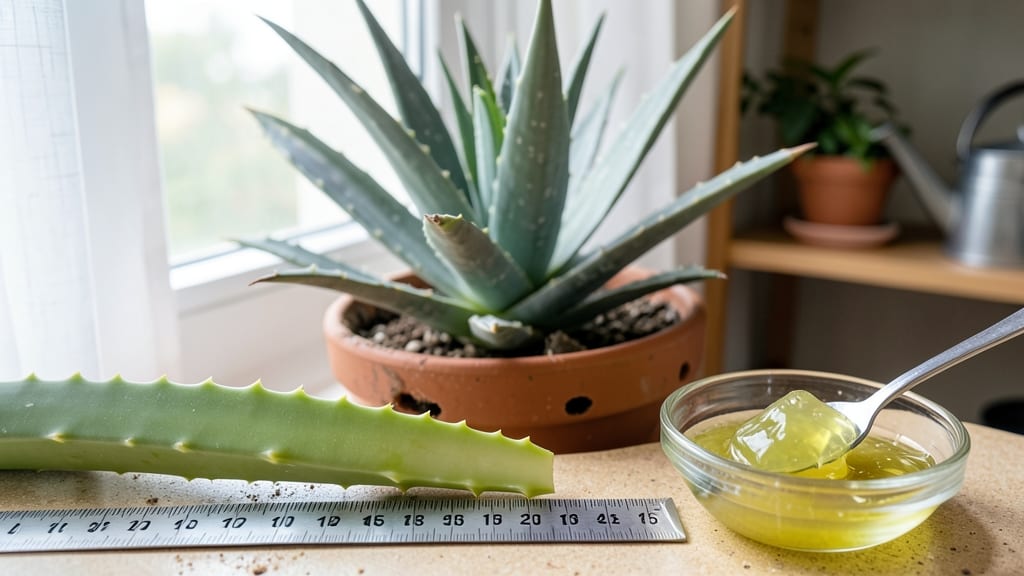
To maximize how long an aloe leaf lasts, store it whole and upright in a cool, dry spot for 3 to 5 days, but expect only 1 to 3 days if you cut it open. Refrigerating extends its life to 7 to 10 days, while aloe gel lasts 5 to 7 days in the fridge or 3 months frozen.
Understanding aloe leaf freshness comes down to two key factors: moisture retention and exposure to air. 🌱 When you leave a whole leaf standing upright, the gel stays protected inside, slowing down oxidation and bacterial growth.
Cutting it open exposes the gel directly to oxygen, which speeds up spoilage. That's why refrigeration works so well—it creates a stable environment that mimics the plant's natural conditions in the soil.
For long-term use, I recommend extracting the gel immediately after cutting and storing it in an airtight container. The cold temperature of your fridge preserves the beneficial enzymes and vitamins, while freezing locks in freshness for months.
Just remember to thaw frozen gel gradually in the refrigerator before use to maintain its texture and potency.
💡 In This Article
- Factors That Affect Aloe Leaf Freshness and Longevity
- Best Storage Methods to Extend Aloe Leaf Life
Factors that affect aloe leaf freshness and longevity
Aloe vera leaves contain up to 99.5% water by weight, making them highly susceptible to dehydration. When stored upright, the leaf's natural curvature helps retain moisture by minimizing surface area exposure. The gel inside acts like a living tissue, containing enzymes that continue breaking down cellular structures even after harvest.
This enzymatic activity accelerates when the leaf is cut open, exposing the gel to oxygen which triggers oxidation—similar to how sliced apples brown when exposed to air. 🌿
The temperature plays a crucial role in slowing this process. At room temperature (70-75°F), microbial growth and enzymatic breakdown occur at optimal rates, reducing shelf life to just 1-3 days once cut. However, refrigeration (35-40°F) significantly slows these reactions.
Studies show that storing aloe leaves at these cooler temperatures can extend their viability by up to 70% compared to room temperature storage. Humidity also matters—low humidity (30%) causes the leaf edges to dry out faster, while higher humidity (> 50%) can promote mold growth.
Seasonal variations create another layer of complexity. During summer months when temperatures exceed 80°F, aloe leaves lose moisture 30% faster than in cooler seasons. This is why many aloe growers recommend harvesting leaves during early morning hours when temperatures are lowest and moisture content is highest.
The leaf's natural waxy coating helps protect it, but once damaged (through cutting or bruising), this protective barrier is compromised, leading to accelerated spoilage. 💧
Comparing whole versus cut leaves reveals dramatic differences. An intact aloe leaf maintains its moisture through the natural transpiration process, while a cut leaf loses water through its exposed surface at a rate of approximately 0.5 grams per hour under normal conditions.
This moisture loss doesn't just affect freshness—it also reduces the leaf's medicinal properties, as many of aloe's beneficial compounds are water-soluble. The gel's pH level (around 4.0-4.5) creates an environment where beneficial bacteria can thrive, but this balance is easily disrupted by improper storage.
What most people don't realize is that even the leaf's position matters. Storing it horizontally (like a typical vegetable) increases surface area exposure by 25% compared to upright storage. This explains why upright storage consistently yields better results.
The leaf's natural curvature when standing creates a self-contained moisture system, similar to how cacti store water in their thick stems. When you combine upright storage with refrigeration, you're essentially creating the optimal conditions to slow down both enzymatic activity and microbial growth. 🌱
For those using aloe for medicinal purposes, understanding these factors becomes even more critical. The bioactive compounds like aloin and aloevera lose potency when exposed to heat or light for extended periods. That's why many herbalists recommend using freshly extracted gel within 24 hours of cutting for maximum effectiveness.
The same principles apply to culinary uses—whether you're making aloe vera juice or adding it to smoothies, proper storage directly impacts both flavor and nutritional value. 💡