
How To
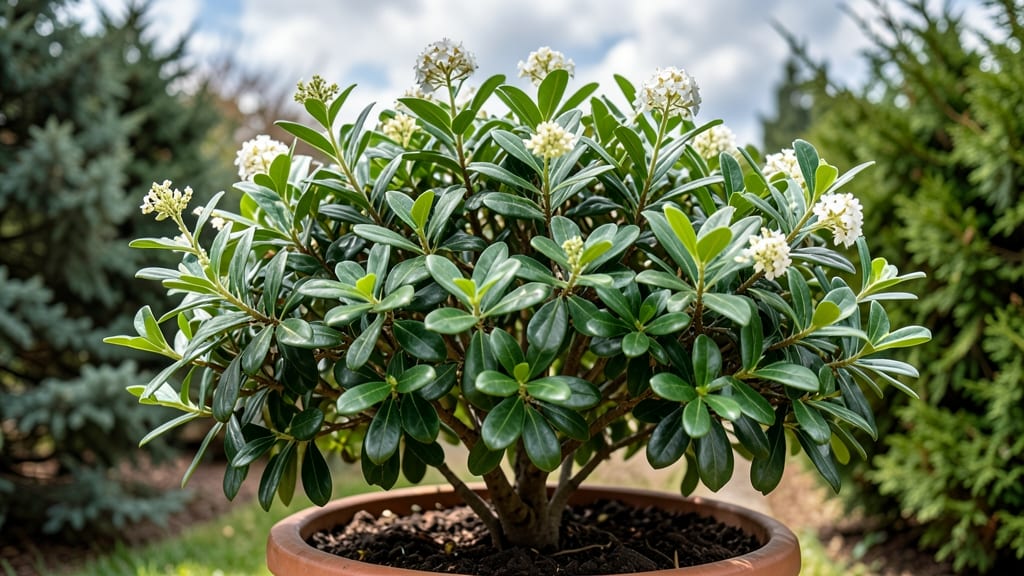
How tall does wax leaf privet grow? The answer depends entirely on where you live and how you prune it—this fast-growing shrub can reach 6 to 12 feet at maturity, but with the right care, you can shape it to fit your vision.
Picture this: You’ve just planted your 🌿 wax leaf privet in spring, dreaming of a lush, perfect hedge by summer. But without knowing its growth habits, you might end up with a towering wall instead of the neat border you envisioned—or worse, a shrub that never quite fills out.
The good news? With the right care, you can steer its height exactly where you want it.
In USDA Zone 6a (like much of the Midwest and Northeast), wax leaf privet typically hits 8 to 10 feet without intervention, while warmer climates can push it toward 12 feet or more.
But pruning in the right season—like right after flowering in early summer—can trim years off its growth timeline. Think of it as the gardener’s secret weapon for shaping this fast-growing shrub.
Below, I’ll break down how height varies by region, the best pruning techniques to keep it in check, and how to pick the right cultivar for your space—whether you want a 3-foot dwarf or a 12-foot privacy screen. No guesswork, just results.

Wax leaf privet height by growth Zone: what to expect in your climate
If you're wondering how tall does wax leaf privet grow, the answer depends heavily on your USDA hardiness zone and local growing conditions.
This versatile shrub typically reaches 5 to 15 feet at maturity, but its growth rate and final height can shift dramatically based on climate, soil quality, and sunlight exposure.
In cooler zones like 6-7, expect slower growth and slightly shorter heights, while warmer zones 8-10 may see faster vertical expansion.
Under ideal conditions—well-drained soil, 6+ hours of sunlight, and regular pruning—wax leaf privet can grow 1 to 3 feet per year. However, in shady or nutrient-poor soil, growth may stall at just 1 foot annually, significantly delaying its mature height.
For example, a standard wax leaf privet in Zone 9 might hit 12 feet in 5 years, while the same plant in Zone 7 could take 7-8 years to reach 8 feet.
| USDA Zone | Mature Height (ft) | Annual Growth Rate (ft) | Sunlight Needs | Soil Impact |
|---|---|---|---|---|
| 6-7 | 6-10 ft | 1-2 ft | Full sun to partial shade | Slow in clay soil |
| 8 | 8-12 ft | 2-3 ft | Partial shade preferred | Fast in sandy loam |
| 9-10 | 10-15 ft | 3+ ft | Full sun tolerance | Thrives in rich soil |
In USDA Zone 6-7, where winters are colder, wax leaf privet often matures between 6 and 10 feet due to slower spring growth.
The first year might see just 1-2 feet of growth, but with proper care—like mulching in winter and spring fertilization—you can push it to 3 feet annually in subsequent years.
For example, in Zone 6, a privacy hedge may take 5-6 years to reach 8 feet, while in Zone 7, it could hit that height in 4 years.
Moving to Zone 8, the growth rate accelerates. Here, wax leaf privet can shoot up 2-3 feet per year, reaching 8-12 feet in just 4-5 years. The humid climate and longer growing season create perfect conditions, but watch for powdery mildew if humidity spikes.
In Zone 9-10, expect the fastest growth—3+ feet annually—with mature heights of 10-15 feet if unpruned. These zones also allow for year-round growth, though pruning in late winter keeps the shrub manageable.
Soil type plays a critical role in determining height. Sandy loam drains well and encourages rapid growth, while clay soil can stunt height by 20-30% due to poor drainage. To maximize growth, amend heavy soil with compost or sand before planting.
Additionally, well-draining soil reduces the risk of root rot, which can halt vertical growth entirely. If your soil is nutrient-poor, a slow-release fertilizer in early spring can boost growth by up to 50%.
Sunlight exposure is another key factor. While wax leaf privet tolerates partial shade, it grows 20-30% taller in full sun. In shady conditions, expect leggy, sparse growth with heights capped at 6-8 feet.
For optimal height control, plant in morning sun with afternoon shade, especially in Zones 8-10 where heat stress can occur. If you're using wax leaf privet for a privacy screen, aim for 6+ hours of direct sunlight to ensure dense, vertical growth.
Regional microclimates also influence height. For instance, in coastal Zone 9, where sea breezes moderate temperatures, privet may grow 10-12 feet but stay bushier. In contrast, inland Zone 9 can see 14-15 feet due to hotter summers.
Similarly, in Zone 7, a northern exposure might limit height to 7-8 feet, while a southern exposure could push it to 10 feet. Always consider your specific microclimate when planning for height.
To ensure your wax leaf privet reaches its ideal height for your zone, start with <
Pruning secrets to control wax leaf privet height and shape
Controlling the height of your wax leaf privet starts with smart pruning techniques. This fast-growing shrub can reach 8–12 feet if left unchecked, but with the right approach, you can shape it into a compact hedge or tall privacy screen.
The key is timing, technique, and avoiding common mistakes that lead to stunted growth or dieback.
Pruning isn’t just about cutting back—it’s about encouraging healthy new growth while maintaining the shrub’s natural structure. Whether you’re trimming for height control or shape refinement, follow these proven steps to keep your wax leaf privet thriving.
The best time to prune is late winter or early spring, just before new growth begins.
Step-by-Step Pruning Guide for Wax Leaf Privet
- Step 1: Gather Tools – Use sharp bypass pruners for clean cuts, loppers for thicker branches, and gloves to protect your hands from thorns.
- Step 2: Remove Dead/Diseased Wood – Start by cutting out dead, damaged, or diseased branches to improve airflow and plant health.
- Step 3: Shape the Canopy – Trim back overgrown branches to your desired height, cutting just above a leaf node or outward-facing bud.
- Step 4: Thin Out Interior Growth – Remove 1/3 of the oldest stems at the base to encourage new growth and prevent a woody center.
- Step 5: Refine Edges – Use hand pruners to trim edges for a neat, formal look, cutting at a 45-degree angle to reduce water pooling.
- Step 6: Light Fall Pruning (Optional) – Do a light trim in late fall to remove any overly long shoots before winter dormancy.
For height control, never cut back more than 1/3 of the plant’s height in a single season. Over-pruning can stress the shrub and lead to weak growth or increased susceptibility to pests.
If your privet is already too tall, spread the pruning over 2–3 years to avoid shocking the plant.
Timing is everything when pruning wax leaf privet. Spring pruning (March–April) promotes vigorous summer growth, while fall pruning (September–October) should be minimal to avoid stimulating tender new growth before winter. Avoid pruning in mid-summer, as this can lead to floppy, weak branches.
One of the biggest mistakes gardeners make is pruning at the wrong time or using dull tools, which can tear branches and invite disease. Always disinfect your pruners with rubbing alcohol between cuts to prevent the spread of bacterial or fungal infections.
After pruning, apply a balanced fertilizer (10-10-10) to support new growth.
With consistent pruning, your wax leaf privet will stay healthy, dense, and perfectly sized for your landscape. Whether you’re aiming for a 6-foot hedge or a 10-foot privacy screen, these techniques will keep it looking its best year after year. Happy pruning! ✂️🌿