
Pests
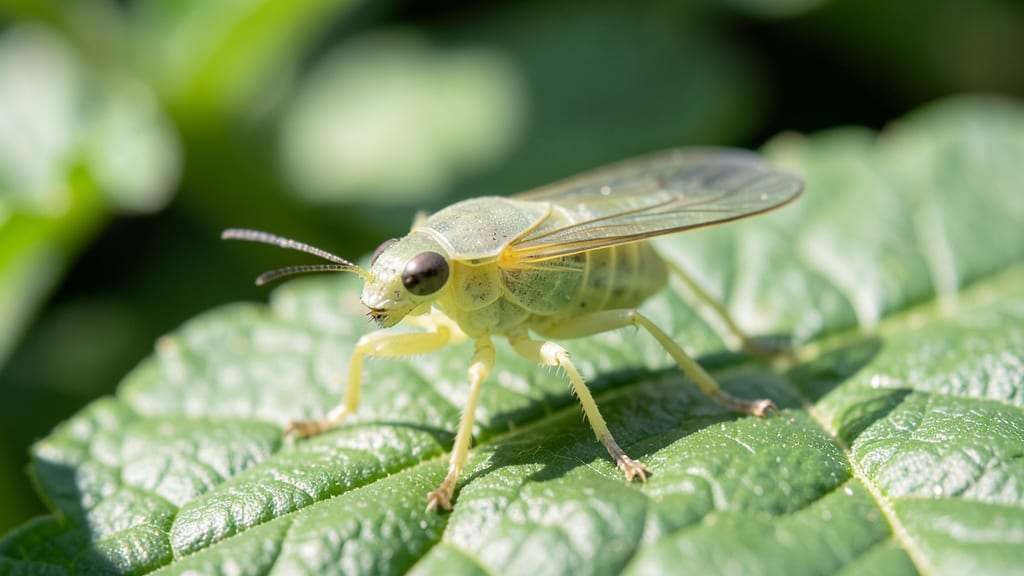
How to get rid of leaf-footed bugs naturally—before they strip your garden bare in days—is all about these fast-acting natural sprays that work within hours. 🌱 I’ve battled these sap-sucking pests for years, and the secret isn’t harsh chemicals but a mix of homemade solutions and smart timing. The key? Target their soft underbellies when they’re sluggish (like early morning) and use sprays that disrupt their feeding without harming your plants or pollinators.
You’ll need just three simple ingredients—dish soap, water, and a little cayenne pepper—that create a sticky barrier they can’t cross. Most gardeners overlook the importance of reapplying after rain, which is why these bugs keep coming back.
The spray doesn’t just repel; it smothers their waxy coating, leaving them vulnerable to handpicking or bird predators. Think of it as a two-pronged attack: immediate relief and long-term prevention.
Within 24 hours, you’ll see fewer bugs on your leaves, and in 48 hours, the infestation will collapse if you’re consistent. The best part? Your tomatoes, peppers, and beans stay crisp, undamaged, and bursting with flavor—no chemical aftertaste.
This method even works on egg clusters, so you’re stopping the next generation before it starts. No more wilting plants or missed harvests.
Works for container gardens, raised beds, and large plots—just adjust the spray volume. The only downside? You’ll need to check plants daily for a week to catch stragglers.
But trust me, the first time you see your vibrant green leaves instead of skeletonized foliage, you’ll wonder why you didn’t try this sooner. Ready to reclaim your garden?
📚 In This Guide
- What you need
- Instructions
- Tips and common mistakes
- Wrapping up and next steps
What you need
- ● Neem oil (100% pure, cold-pressed) – 16 oz (473 mL) bottle (look for Azadirachta indica extract).
- ● Dish soap (unscented, blue Dawn recommended) – 1 bottle (any size).
- ● Water (distilled or dechlorinated) – 1 gallon (3.8 L) per batch of spray.
- ● Spray bottles – 2–4 x 16 oz (473 mL) bottles with fine mist nozzles.
- ● Rubbing alcohol (70% isopropyl) – 8 oz (236 mL) bottle (for direct bug control).
- ○ Crushed garlic or chili peppers (optional but effective) – 4–5 cloves or 2–3 peppers (blend into a paste).
- ● Yellow sticky traps – 2–4 traps (for monitoring and early detection).
- ● Gloves (nitrile or rubber) – 1 pair (to protect your hands from oils and bugs).
- ○ Face mask (optional) – For blending garlic/chili or handling strong scents.
- ● Spray nozzle attachment (for hose) – If treating large garden areas.
- ● Fine-mesh strainer – To filter homemade sprays (if using garlic/chili).
- ● Notebook & pen – To track treatment dates and bug activity.
Step-by-Step instructions for eliminating leaf-footed bugs naturally
Here’s how I tackle these sap-sucking pests without harsh chemicals—fast, effective, and safe for your plants.
🪴 Step 1: Identify and Isolate Infested Areas
Start by scanning your plants for the telltale signs: small, brownish oval eggs laid in clusters on the undersides of leaves, or tiny black bugs scurrying away when you brush the foliage. Leaf-footed bugs (LFB) love tomatoes, peppers, and eggplants, so focus there first. I always check the leaf undersides and fruit clusters—those are their favorite hiding spots.
Isolate heavily infested plants by moving them away from healthy ones. This prevents the bugs from spreading while you treat the problem. If you spot eggs, don’t panic—you’ll address them in the next step. The key is acting fast before the nymphs (baby bugs) hatch and multiply.
💧 Step 2: Apply a Homemade Insecticidal Soap Spray
Mix 1 tablespoon of liquid Castile soap (like Dr. Bronner’s) with 1 quart of water in a spray bottle. Shake gently to avoid sudsing. The soap disrupts the bugs’ waxy outer layer, dehydrating them. Test the spray on a small leaf first—if it causes browning, dilute the soap further. I like to add 1 teaspoon of vegetable oil to help the soap cling better to the leaves.
Spray the top and bottom of leaves, paying special attention to where you found the bugs or eggs. Focus on the leaf veins and fruit stems—these are high-traffic areas for LFB. Reapply every 3-4 days until the infestation clears. The soap won’t harm your plants if used correctly, but it works best on direct contact with the bugs.
☀️ Step 3: Use Diatomaceous Earth as a Barrier
Sprinkle food-grade diatomaceous earth (DE) lightly around the base of plants, focusing on the soil surface and leaf axils (where leaves meet stems). DE is a natural powder made from fossilized algae that cuts into the bugs’ exoskeletons, causing them to dry out. Wear a mask when applying—it’s dusty stuff! I avoid using DE on flowering plants, as it can irritate pollinators.
Reapply DE after rain or watering, as moisture reduces its effectiveness. For severe infestations, mix 1 tablespoon of DE with 1 gallon of water, shake well, and spray onto leaves. The bugs will avoid treated areas, giving your plants a chance to recover. This step is especially useful for preventing future outbreaks.
✂️ Step 4: Hand-Pick and Destroy Eggs and Adults
Put on gloves and inspect leaves daily for eggs (tiny, brown, and clustered) or adults (black with distinctive leaf-like hind legs). Use a damp paper towel to gently wipe off eggs—don’t crush them, as the scent can attract more bugs. Drop them into soapy water to kill them instantly. For adults, grasp them with tweezers or your fingers and drop them into a jar of soapy water.
This method is tedious but highly effective for small infestations. I do this in the early morning when bugs are sluggish. If you’re dealing with a large garden, prioritize the most heavily infested plants first. Hand-picking also gives you a chance to monitor the progress of your other treatments.
🌿 Step 5: Introduce Beneficial Predators and Trap Plants
Plant nasturtiums or marigolds nearby as trap crops—LFB are drawn to them and will abandon your vegetables. You can also attract natural predators like ladybugs, lacewings, and parasitic wasps by planting dill, fennel, or yarrow. These predators feast on LFB eggs and nymphs, reducing the population naturally over time.
If you’re growing tomatoes, consider interplanting with basil—its strong scent repels many pests, including LFB. Avoid using broad-spectrum pesticides, as they’ll kill the beneficial insects you’re trying to attract. This step is a long-term solution but builds a healthier ecosystem in your garden.
Tips & tricks for effective natural leaf-footed bug control
These targeted strategies will help you maximize your pest elimination efforts while protecting your garden's health.
Targeted Application Timing: In Step 2, when applying the insecticidal soap spray, focus on early morning or late evening when temperatures are cooler and bugs are less active. This increases your chances of direct contact with the pests while minimizing plant stress. The 3-4 day reapplication schedule is crucial—stick to it religiously, as missed applications give bugs a chance to rebound.
Enhanced Soap Solution: For even better coverage in Step 2, add a few drops of neem oil (optional) to your soap mixture—it enhances the insecticidal properties while being plant-safe. The vegetable oil in the original recipe helps the solution cling better, but neem oil adds an extra layer of protection. Always test on a small leaf first, as some plants may react differently to the combination.
DE Application Precision: When using diatomaceous earth in Step 3, avoid over-applying—just a light dusting around the base and leaf axils is enough. Overuse can harm beneficial soil organisms. For container plants, sprinkle DE directly onto the soil surface where bugs might crawl up from. Remember, DE loses effectiveness when wet, so plan applications before rain or watering.
Hand-Picking Efficiency: In Step 4, use a magnifying glass to spot eggs more easily on leaf undersides. I keep a small jar of soapy water nearby while working—it's faster than constantly walking back to the kitchen. For stubborn adults, freeze them in a small container before disposal; the cold kills them instantly and prevents any scent from attracting others.
Pro Tips for Get Rid Of Leaf Footed Bugs Naturally
- These targeted strategies will help you maximize your pest elimination efforts while protecting your garden's health.
- Targeted Application Timing: In Step 2, when applying the insecticidal soap spray, focus on early morning or late evening when temperatures are cooler and bugs are less active.
- Enhanced Soap Solution: For even better coverage in Step 2, add a few drops of neem oil (optional) to your soap mixture—it enhances the insecticidal properties while being plant-safe.
Frequently asked questions
Got questions about tackling leaf-footed bugs naturally? You’re not alone—these pests can be tricky! Here are some of the most common concerns and straightforward answers to help you take action.
How fast do natural remedies work against leaf-footed bugs?
Most natural sprays—like neem oil, insecticidal soap, or garlic spray—start working within hours, but full eradication may take a few days of repeated applications. For severe infestations, combine methods (e.g., spraying + removing eggs) for faster results. Patience is key!
Are leaf-footed bugs harmful to my plants beyond chewing leaves?
Yes! While they chew leaves, they also inject toxins that can stunt plant growth or cause wilting. Young plants are especially vulnerable. Monitor for yellowing leaves, stunted growth, or holes—these are red flags. Act quickly to protect your garden’s health.
Can I use vinegar spray to kill leaf-footed bugs?
Vinegar is not the best choice—it’s more effective as a cleaning agent than a pesticide. Instead, opt for soapy water (1 tsp dish soap + 1 quart water) or neem oil. Vinegar can harm plants if overused. Stick to proven natural sprays for safety and efficacy.
What’s the best time of day to spray for leaf-footed bugs?
Early morning or late afternoon is ideal! Bugs are most active in cool temperatures and less likely to hide. Avoid midday heat, which can stress plants and reduce spray effectiveness. Plus, you’ll avoid disturbing pollinators like bees.
Will leaf-footed bugs come back after I treat my garden?
Possibly! These bugs love warm weather and can reappear if conditions are right. Prevent recurrence by:
- Removing egg masses (look for tiny white clusters on leaves).
- Using row covers on young plants.
- Encouraging natural predators like ladybugs or parasitic wasps.
- Reapplying sprays every 5–7 days during peak season.
Pro Tip:
Need a quick win? Mix 1 tbsp cayenne pepper + 1 gallon water in a spray bottle—it repels bugs and adds a spicy kick to your garden’s defense!
Wrapping up and next steps
Getting rid of leaf-footed bugs naturally doesn’t have to be a struggle! From neem oil sprays to beneficial nematodes, these methods are effective, eco-friendly, and safe for your garden.
Start with simple solutions like soapy water sprays or diatomaceous earth, and escalate to stronger options if needed—your plants will thank you! 🌿
You’ve got this! Monitor your garden regularly to catch new infestations early, and soon, your yard will be a pest-free paradise. Ready to take action? Grab your supplies and get started today!