
How To
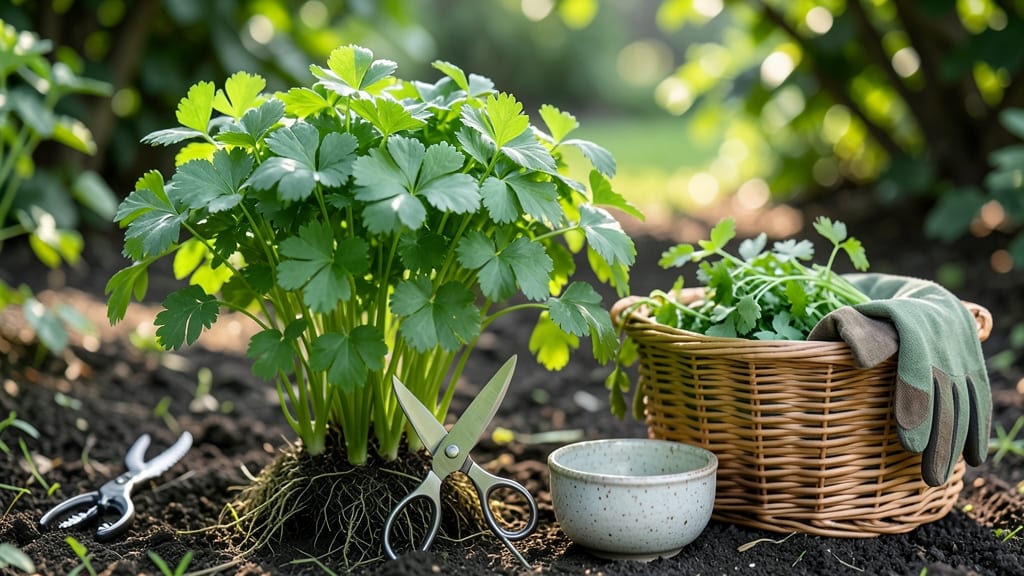
Harvesting flat leaf parsley the right way ensures you get the freshest, most flavorful leaves for your cooking — and keeps your plant thriving for months.
If you’ve ever snipped parsley only to watch it bolt or wilt within days, you’re not alone. The secret isn’t just when you harvest but how—using the right tools and techniques to encourage regrowth without stressing the plant.
In this guide, I’ll walk you through the best time to harvest parsley (morning vs. afternoon), the tools that make the job easier, and how to store your harvest so it stays vibrant longer.
You’ll also discover how to revive over-harvested parsley and extend your plant’s productivity, so you’re never without fresh 🌿 for soups, salads, or garnishes again.


Best time to harvest flat leaf parsley for peak flavor and growth
Timing your harvest correctly is the secret to getting the most flavorful flat leaf parsley while keeping your plant thriving. Unlike some herbs that bolt quickly, parsley rewards patience with a steady supply of bright green leaves when harvested at the right moments.
The key lies in understanding both the time of day and seasonal windows that maximize flavor and encourage regrowth.
Morning harvests are ideal because the leaves are fully hydrated after a night of rest, making them crisp and packed with essential oils that give parsley its signature flavor. Avoid harvesting in the afternoon when leaves can be wilted from heat stress, which dulls their taste.
Seasonally, parsley thrives from late spring to early fall, with the sweetest flavor appearing after the first true leaves form—typically around 75 days after planting.
🌿 How to Harvest Flat Leaf Parsley for Optimal Growth
- 1. Wait for mature leaves – Harvest only when leaves reach 3-6 inches in length and are deep green, not pale or yellow.
- 2. Cut in the morning – Choose cool morning hours (before 10 AM) when leaves are crisp and flavorful.
- 3. Use clean tools – Sharp pruning shears or clean scissors prevent damage and disease.
- 4. Harvest outer leaves first – Leave the inner growth intact to encourage bushier regrowth.
- 5. Avoid over-harvesting – Never take more than 1/3 of the plant at once to prevent stress.
- 6. Revive after stress – If leaves wilt, trim damaged parts and water deeply to recover.
- 7. Space harvests 3-4 weeks apart – Regular light trims keep parsley productive for months.
Seasonal timing matters too—parsley grown in cooler spring months develops the most robust flavor, while summer harvests may need extra shade to prevent bolting. If your parsley starts to flower, it’s a sign of over-maturity, and the leaves will taste bitter.
To prevent this, harvest frequently and avoid letting the plant go to seed.
Balancing harvests is crucial for bushier regrowth. Instead of cutting the entire stem, focus on the outer leaves while leaving the inner growth intact. This method mimics natural pruning and encourages the plant to produce more leaves.
Over-harvesting—taking too many leaves at once—can stress the plant, leading to yellowing leaves or stunted growth.
If your parsley shows signs of over-harvesting, like sparse foliage or leggy stems, it’s time to pause harvesting and focus on recovery. Trim any damaged or yellow leaves, increase watering slightly, and place the plant in bright, indirect light.
Within a few weeks, it should bounce back with fresh growth, ready for another harvest cycle.
For year-round productivity, consider growing parsley in containers and bringing them indoors before the first frost. Indoor parsley may grow slower but can still provide fresh leaves for holiday meals when outdoor harvests end. Just ensure it gets enough light—4-6 hours of sunlight daily—to prevent legginess.
One common mistake is harvesting parsley too early, when leaves are still small and tender. These underdeveloped leaves lack the full flavor profile of mature parsley. Always check for deep green color and firm stems before cutting.
Patience pays off—waiting for leaves to fully mature ensures the best taste and a longer harvest season.
To maximize your parsley’s lifespan, rotate harvest locations if growing multiple plants. This prevents soil depletion and reduces the risk of pests or diseases spreading. And remember, parsley is a biennial, meaning it can produce leaves for two years if cared for properly.
With the right harvesting rhythm, you’ll enjoy a steady supply of fresh parsley for salads, soups, and garnishes all season long.
Essential tools and techniques for harvesting without damaging your parsley
Harvesting flat leaf parsley correctly keeps your plant thriving while ensuring a steady supply of fresh, flavorful leaves. The right tools and techniques make all the difference—whether you're snipping for soups or preserving for winter.
Using the wrong method can stress your plant, leading to stunted growth or even death. Let’s dive into the best practices to protect your parsley while maximizing your yield.
Before you begin, gather your harvesting essentials. A pair of sharp pruning shears or clean kitchen scissors is ideal for clean cuts. Avoid dull tools, as they crush stems and invite disease. Garden gloves protect your hands from prickly stems, especially if your parsley is mature.
For organic gardeners, sterilize tools with a 1:10 bleach-water solution or rubbing alcohol to prevent fungal spread.
Now, let’s compare the two most effective harvesting methods for flat leaf parsley—cut-and-come-again and selective leaf picking. Each has its own benefits depending on your goals and the plant’s maturity. The right choice ensures your parsley stays healthy and productive for months.
| Method | Best For | How to Do It | Regrowth Impact |
|---|---|---|---|
| Cut-and-Come-Again | Bushy regrowth, continuous harvest | Cut stems 1-2 inches above soil when leaves reach 3-6 inches long | Encourages lush, dense foliage in 3-4 weeks |
| Selective Leaf Picking | Minimal damage, gradual harvest | Pinch off outer leaves with fingers or small scissors, leaving inner growth intact | Slower regrowth but preserves plant structure |
*For organic gardens, avoid chemical sterilants—use vinegar or hydrogen peroxide instead.
After harvesting, give your parsley some post-harvest TLC to keep it thriving. Water the base thoroughly to replenish moisture lost during cutting. If your plant looks leggy or sparse, trim back any yellow or wilted leaves immediately to redirect energy to new growth.
For organic gardeners, a light application of compost tea can boost recovery without synthetic chemicals.
Timing matters too! Always harvest in the morning when leaves are hydrated and flavors are most concentrated. Avoid harvesting after heavy rain or late in the day, as this can stress the plant. By following these steps, your parsley will reward you with vibrant, flavorful leaves all season long.
Remember, the key to long-term success is balance. Never harvest more than one-third of the plant at once, or you risk stunting its growth. With the right tools and techniques, your parsley will stay productive, healthy, and ready for your next culinary masterpiece. Happy harvesting! 🌿