
How To
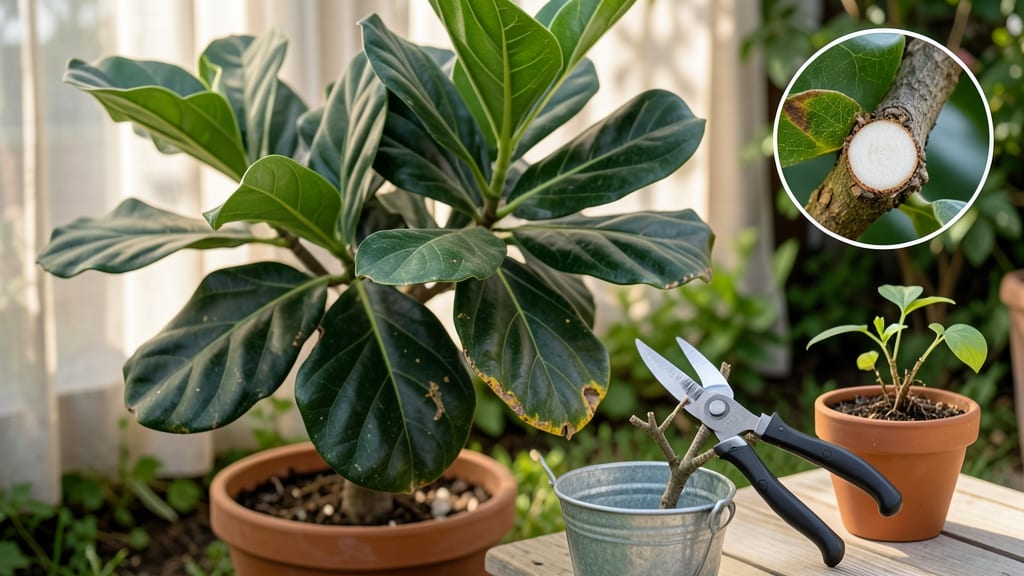
Pruning a fiddle leaf fig transforms leggy stems into a bushy, leafy masterpiece—if you do it right. 🌿 I’ve turned my once-sparse plant into a lush, vibrant centerpiece by mastering the timing, cuts, and aftercare, and you can too without risking stressing the plant.
Start in spring or early summer when new growth signals it’s ready, using sharp, sterilized pruners to make clean cuts just above a leaf node. Avoid over-trimming—never remove more than one-third of the plant at once—and always keep tools sanitized with rubbing alcohol to prevent fungal infections.
The key is patience: your fig will bounce back with thicker stems and bigger leaves within weeks.
📚 In This Guide
- What you need
- Instructions
- Tips and common mistakes
- Wrapping up and next steps
What you need
- ● Sharp pruning shears or bypass pruners – Choose a pair with sterilized, stainless-steel blades (4–6 inch size works best). Why? Dull tools crush stems, stressing your plant.
- ● Rubbing alcohol (70% or higher) or hydrogen peroxide – For sterilizing tools before and after pruning (prevents bacterial/fungal spread).
- ● Garden gloves – Protects hands from latex sap (can irritate skin) and sharp blades.
- ● Small spray bottle with water – Keeps cuts hydrated and reduces shock.
- ● Newspaper or drop cloth – Lay down to catch sap and debris (your fiddle leaf fig hates a messy workspace!).
- ● Rooting hormone – Speeds up propagation if you’re saving cuttings for new plants.
- ● Small pots with well-draining soil – For propagating pruned cuttings (2–3 inch pots work well).
- ● Plant tie or twist tie – Secures larger stems if you’re staking for support.
- ● Disposable gloves – If you’re extra sensitive to sap or prefer disposable options.
- ● Plant food (balanced fertilizer) – Helps your fiddle leaf fig recover post-prune (diluted to half-strength).
Step-by-Step guide to pruning a fiddle leaf fig
Here's how I transform leggy fiddle leaf figs into bushy, vibrant plants with just a few strategic cuts.
✂️ Step 1: Assess the Plant and Identify Pruning Points
Examine your fiddle leaf fig for areas that need attention. Look for leggy stems (long sections without leaves) and overly crowded growth where branches compete for light. The best spots to prune are just above a leaf node—that little bump where leaves or branches emerge. This encourages new growth from that point.
I always start with the topmost leggy stem. Use your fingers to trace the stem downward until you find the first healthy leaf node with at least two visible buds. This ensures the plant has energy to regrow. If you're unsure, err on the side of caution—you can always trim more later.
✂️ Step 2: Sterilize Tools and Make Clean Cuts
Before you cut, wipe your pruning shears or sharp scissors with rubbing alcohol to prevent bacterial or fungal infections. Fiddle leaf figs are sensitive to dirty tools, and a contaminated cut can lead to yellowing leaves or even plant decline. Let the tools dry completely before use.
Make your cut at a 45-degree angle, about ¼ inch above the leaf node. This angled cut helps water run off the stem instead of pooling, which reduces rot risk. Avoid tearing the stem—smooth, precise cuts heal faster and encourage stronger regrowth. If you're using scissors, hold the stem firmly with one hand and cut with the other for control.
🌿 Step 3: Encourage Bushier Growth Through Strategic Trimming
After your first cut, move down the stem and repeat the process at each leaf node with two buds. The goal is to create a balanced shape while stimulating new branches. I like to prune about ⅓ of the plant's height at a time—this gives the fig enough energy to recover without shocking it.
If your fiddle leaf fig has a single, tall trunk with sparse leaves, you can also prune lower down to encourage a fuller base. Just remember: the more you cut, the longer it takes for the plant to bounce back. Watch for new growth emerging from the nodes within 4-6 weeks—this is your sign that the pruning worked.
💧 Step 4: Post-Pruning Care for Healthy Recovery
After pruning, place your fiddle leaf fig in a spot with bright, indirect light—no harsh sunlight for at least 2 weeks. Reduce watering to every 2-3 weeks (or when the top 2 inches of soil feel completely dry). Overwatering stressed plants leads to root rot, and you don’t want that after all your hard work.
Mist the leaves lightly with room-temperature water to increase humidity, which helps the plant recover faster. Avoid fertilizing for 6-8 weeks—the fig needs time to redirect energy to new growth, not nutrient uptake. You’ll notice fresh, vibrant leaves emerging from the pruned nodes within 6-8 weeks, signaling a successful trim.
⏰ Step 5: Monitor and Adjust for Long-Term Health
Keep an eye on your fiddle leaf fig over the next few months. If new growth appears leggy, it’s a sign the plant needs more light. Gradually move it closer to a brighter window (but never direct sun) to encourage compact, bushy growth. If the leaves start yellowing, you’re either overwatering or underwatering—check the soil moisture and adjust.
Once your fig has fully recovered, you can prune again in 3-4 months to maintain its shape. I prune mine every 6 months to keep it lush and full. The key is patience—fiddle leaf figs may look sad after pruning, but they always bounce back with the right care.
Tips & tricks for perfect fiddle leaf fig pruning
A few simple tricks will help you achieve a fuller, healthier fiddle leaf fig with minimal stress to the plant. Here's what I've learned after years of trial and error.
Visual Cues for Pruning: When identifying leaf nodes in Step 1, look for the small circular scars where leaves used to be—they're often hidden among the new growth. These scars indicate where new shoots can emerge. Also, gently bend the stem near the node—if it feels slightly thicker than the rest, that's your target spot. This visual trick helps me avoid cutting in the wrong place, which can stunt regrowth.
Tool Technique: In Step 2, if you don't have pruning shears, use a clean, sharp kitchen knife instead of scissors. The knife gives you more control for that precise 45-degree angle cut. I've found that even a butter knife works in a pinch—just make sure it's sharp enough to cut cleanly without crushing the stem. The key is always making clean cuts to prevent damage that could lead to infections.
Pruning Strategy: For Step 3, if your fiddle leaf fig has particularly long stems, consider pruning in stages rather than all at once. Trim back about ⅓ of the height now, then repeat the process in 3-4 months. This gradual approach gives the plant time to adjust and reduces shock. I've seen plants recover faster when pruned this way, especially if they're already stressed from poor light conditions.
Recovery Timeline: The 6-8 week recovery period mentioned in Step 4 is crucial, but don't be alarmed if you don't see immediate results. Some fiddle leaf figs take up to 12 weeks to show new growth, especially if they've been neglected. During this time, resist the urge to fertilize—your plant is focusing all its energy on healing and producing new leaves. The patience pays off with stronger, more vibrant growth.
Pro Tips for Prune A Fiddle Leaf Fig
- A few simple tricks will help you achieve a fuller, healthier fiddle leaf fig with minimal stress to the plant.
- Visual Cues for Pruning: When identifying leaf nodes in Step 1, look for the small circular scars where leaves used to be—they're often hidden among the new growth.
- Tool Technique: In Step 2, if you don't have pruning shears, use a clean, sharp kitchen knife instead of scissors.
Frequently asked questions
Got questions about pruning your fiddle leaf fig? You’re not alone! Here are some of the most common queries—plus straightforward answers to keep your plant thriving.
When is the best time of year to prune my fiddle leaf fig?
The ideal time to prune is early spring (just before new growth starts) or late winter. Avoid pruning in fall or winter, as the plant is dormant and may struggle to recover. If you spot leggy growth or yellowing leaves anytime, a light trim is still safe!
Can I prune a fiddle leaf fig in winter?
Pruning in winter is not recommended because the plant is in its dormant phase. However, if you must (e.g., to remove dead leaves), keep it minimal. Wait until spring for heavier cuts to encourage healthy regrowth. Pro tip: If pruning in winter, avoid over-trimming—stick to removing only damaged or diseased foliage.
Will pruning my fiddle leaf fig kill it?
No—when done correctly, pruning stimulates bushier growth! Just avoid cutting too much at once (never remove more than 1/3 of the plant). Use clean, sharp tools to prevent stress, and water lightly after pruning. If your plant looks sad post-prune, it’s likely just adjusting—new leaves should sprout within weeks!
How do I propagate the cuttings from pruning?
Fiddle leaf fig cuttings root easily in water! Place 4–6 inch stems in a jar of room-temperature water, ensuring the node (where leaves grow) is submerged. Change the water every 3–5 days, and roots should appear in 2–4 weeks. Once roots are 2 inches long, transplant to soil. Bonus: Use a humidity dome to help them acclimate!
My fiddle leaf fig is drooping after pruning—what went wrong?
Drooping can happen if you pruned too aggressively or didn’t care for the plant afterward. Fix it by:
- Reducing water (overwatering stresses cut plants).
- Placing it in bright, indirect light (no harsh sun).
- Avoiding fertilizing for 4–6 weeks to let it recover.
Wrapping up and next steps
Pruning your fiddle leaf fig doesn’t have to be intimidating—it’s all about confidence and care! 🌿 With the right tools, timing, and technique, you’ll encourage healthier growth, fuller foliage, and even propagate new plants.
Remember: less is more—trim strategically, sanitize your tools, and always reward your plant with a little love afterward.
Ready to see your fiddle leaf fig thrive? Start small—pick a branch or two to practice, and soon you’ll be a pruning pro! Next up, check out our guide on fiddle leaf fig care to keep those lush leaves shining bright.