
Light Requirements
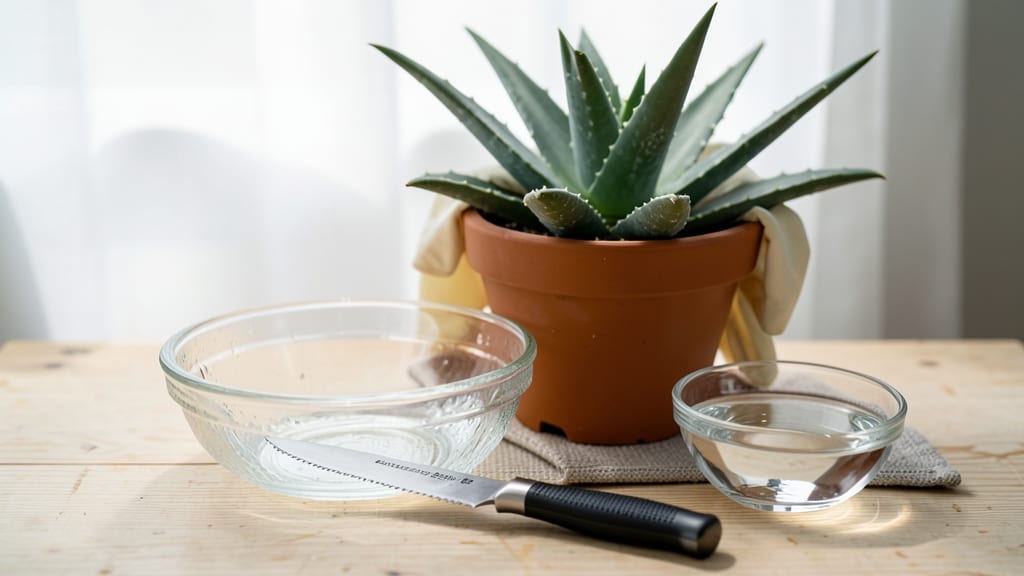
How to use aloe leaf—that thick, jelly-like gel is a household secret weapon—not just for sunburns but for everything from dry skin to houseplant revival. 🌱 I’ve used it to soothe my toddler’s scraped knees, heal my own blistered hands, and even nurse back a dying peace lily. The best part? You don’t need to buy expensive products when the cure grows right on your windowsill.
First, you’ll need a mature aloe leaf (thick, plump, and at least 12 inches long) and a sharp knife. The gel is safe for skin once the yellow latex is removed—just slice the leaf open, scoop out the clear gel, and rinse it if needed.
For burns or cuts, apply it directly; for skincare, mix it with a few drops of coconut oil to avoid stickiness. The gel keeps fresh in the fridge for 5-7 days or freezes for months.
Beyond skin, this gel works magic on plants too—dab a little on root rot, fungal spots, or wilting leaves to revive them. It’s also a natural deodorizer for musty shoes or a soothing aftershave balm.
Just remember: never use the yellow latex—it’s a mild irritant. The gel, though, is pure plant-powered healing in its simplest form.
Start with one leaf and experiment—your skin, plants, and even your kitchen will thank you. The only catch? Harvest leaves sparingly from the outer edges of the plant to keep your aloe thriving. Now go turn that sunburn into a soothing ritual!
📚 In This Guide
- What you need
- Instructions
- Tips and common mistakes
- Wrapping up and next steps
What you need
- ● Mature aloe vera plant (at least 2-3 years old for best gel yield; leaves should be thick and plump).
- ● Sharp knife or pair of scissors (sterilized with rubbing alcohol for hygiene).
- ○ Gloves (optional but recommended)—aloe latex (yellow sap) can irritate skin.
- ● Mixing bowl or clean container (glass or food-grade plastic, 8–12 oz capacity).
- ● Spoon or spatula (preferably stainless steel or silicone for scraping gel).
- ● Fine-mesh strainer or cheesecloth (for filtering gel if needed).
- ● Air-tight container (for storing gel; glass jars with lids work best).
- ● Rubbing alcohol (70% or higher) (for sterilizing tools).
- ● Food processor or blender (for liquidizing gel into juice or smoothies).
- ● Essential oils (e.g., lavender, tea tree)—add 2–3 drops to gel for skincare boosts.
- ● Honey or vitamin E oil (1 tsp per ¼ cup gel to enhance hydration).
- ● Small spray bottle (for DIY aloe vera spray mist).
- ● Labeling tape & marker (to track gel freshness and usage).
Step-by-Step guide to using aloe leaf for gel, skin care, and houseplant care
Here's how to get the most out of your aloe plant—from fresh gel to clever repurposing.
🌱 Step 1: Harvest the Right Leaf for Maximum Gel
Choose the thickest, plumpest outer leaf from the base of the plant—these contain the most gel. Gently twist it at the base until it snaps cleanly. Avoid cutting with scissors; the plant's natural break point ensures minimal damage. You'll know it's ready when the leaf pulls away with a satisfying pop.
Let the leaf sit upright for 10-15 minutes to allow the yellow latex (aloe vera sap) to drain completely. This bitter substance can irritate skin, so don't skip this step. Place it in a glass with the cut end down—this helps gravity pull out the remaining latex.
💧 Step 2: Extract Fresh Gel Safely
Rinse the leaf under cool water to remove any remaining sap. Pat it dry with a paper towel, then slice it lengthwise with a sharp knife. You'll see the clear, jelly-like gel inside—this is your skincare gold. Scoop it out with a spoon, being careful not to scrape the yellow latex layer underneath.
For immediate use, apply the gel directly to skin. If storing, place it in an airtight container in the fridge for up to 7 days or freeze it in ice cube trays for longer shelf life. The gel thickens slightly when chilled, making it easier to apply.
☀️ Step 3: Soothe Skin Burns and Irritations
Apply a thin layer of fresh gel to sunburns, rashes, or minor cuts. The plant's natural compounds reduce inflammation and promote healing. For severe burns, cover with a clean bandage to lock in moisture. You'll notice cooling relief within minutes—this is aloe's anti-inflammatory magic at work.
For acne or blemishes, dab a small amount on the affected area before bed. The gel's antibacterial properties help calm redness overnight. Always patch-test first: apply a tiny bit to your wrist and wait 24 hours to check for reactions.
🪴 Step 4: Repurpose the Leaf for Houseplant Care
After extracting gel, don't toss the remaining leaf! Chop it into 1-inch pieces and place them around the base of thirsty houseplants. As they decompose, they release moisture slowly—perfect for succulents or drought-tolerant plants. This trick mimics the plant's natural water retention.
For a DIY fertilizer, blend the leftover leaf pieces with water (1 part leaf to 3 parts water) and strain. Use this "tea" to water plants every 2-3 weeks—the nutrients boost growth without overfeeding. Your plants will thrive with this nutrient-rich, slow-release boost.
⏰ Step 5: Revive Your Aloe Plant After Harvesting
After removing a leaf, your aloe plant may look a little sad—but it's tougher than it appears. Water it lightly (just enough to moisten the soil) and place it in bright, indirect light. Avoid direct sun for 1-2 weeks to prevent stress. New growth will sprout from the base within 4-6 weeks.
To encourage bushier growth, trim any dead or brown leaves at the base with clean scissors. This redirects the plant's energy to producing new, healthy leaves. With proper care, your aloe will reward you with fresh gel for months to come.
Tips & tricks for perfect aloe leaf uses
Real talk: You're about to unlock the full potential of your aloe plant—way beyond just skincare basics.
Leaf Selection Matters: Always choose mature leaves from the outer edges of the plant—they're thicker and packed with more gel. I learned this the hard way after harvesting a young inner leaf that yielded barely any usable gel. Look for leaves that are at least 8 inches long and have a deep green color with no brown spots.
The Drainage Hack: That 10-15 minute drainage time in Step 1 isn't just about removing latex—it's also letting the leaf release its natural enzymes. These enzymes are what give aloe its soothing properties, so don't rush this step! Place the leaf in a glass with the cut end down to maximize drainage through gravity.
Storage Secrets: For longer shelf life, freeze your extracted gel in ice cube trays. Once frozen, pop out the cubes and store them in a freezer bag. This portion control makes it perfect for spot treatments—just grab one cube as needed. The gel keeps its potency for up to 6 months frozen, though it may thicken slightly when thawed.
Plant Care Payoff: When reviving your aloe after harvesting (Step 5), resist the urge to overwater. Aloe stores water in its leaves, so it's adapted to dry conditions. Just give it a light drink and let the soil dry completely between waterings. This patience pays off with bushier growth in just 4-6 weeks—trust me, it's worth the wait.
Pro Tips for Use Aloe Leaf
- Real talk: You're about to unlock the full potential of your aloe plant—way beyond just skincare basics.
- Leaf Selection Matters: Always choose mature leaves from the outer edges of the plant—they're thicker and packed with...
- The Drainage Hack: That 10-15 minute drainage time in Step 1 isn't just about removing latex—it's also letting the le...
Frequently asked questions
Got questions about squeezing the most out of your aloe leaf? Here are some of the most common ones—and their answers!
How do I know if my aloe leaf is mature enough to use?
Aloe leaves are ready when they’re thick, plump, and at least 12–18 inches long. Look for a mature, deep green color (no yellowing or brown spots). Younger leaves are too small to yield enough gel, and older ones may be tougher to extract.
How long can I store aloe gel after extracting it?
Fresh aloe gel lasts 5–7 days in the fridge in an airtight container. For longer storage, freeze it in ice cube trays (use within 3 months). Never store it at room temperature—it spoils quickly and can grow bacteria.
Can I use aloe gel on sunburns or minor cuts?
Yes! Aloe gel soothes sunburns, rashes, and small cuts thanks to its anti-inflammatory and antimicrobial properties. Just clean the area first, apply a thin layer of fresh gel, and cover with a bandage if needed. Avoid open wounds deeper than ¼ inch—see a doctor instead.
What’s the best way to revive an overwatered aloe plant?
If your aloe’s leaves turn mushy or brown, it’s likely overwatered. Stop watering immediately, repot in fresh, well-draining soil, and place it in bright, indirect light. Trim any rotten leaves at the base with sterilized scissors.
What can I do with leftover aloe pulp after extracting gel?
Don’t toss it! The yellow latex (aloe juice) beneath the gel can be neutralized with lemon juice (1:1 ratio) to make a gentle cleanser or hair mask. Or compost it—just avoid using it on skin (it can cause irritation).
Wrapping up and next steps
From soothing sunburns to nurturing your houseplants, aloe leaves are nature’s versatile gift! 🌱 Whether you’re extracting gel for skincare, repurposing the leaf for gardening, or simply curious about its uses, you now have the tools to make the most of this handy plant. Start small—try one DIY project today, and let your aloe leaf become your go-to green helper!
Ready to dive deeper? Experiment with recipes, share your aloe hacks with friends, or even grow your own plant—the possibilities are endless! 🌟