
Leaf Blower
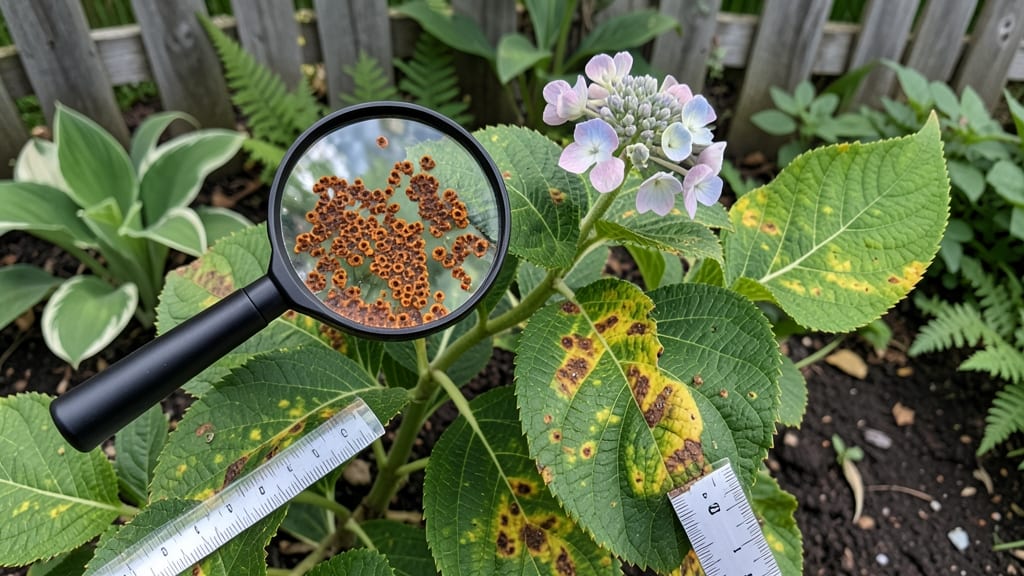
Hydrangea leaf rust turns your showstopper shrubs into a sad, spotty mess—until you try this copper spray cure that stops the rust in its tracks. 🌿 I’ve watched this orange-brown fungus transform lush leaves into crispy, curled wrecks, but the right treatment brings them back to life within weeks.
The problem starts with wet leaves and poor airflow—think crowded bushes or afternoon shade. Rust spores hitch a ride on wind or splashing water, then feast on hydrangeas like they’re an all-you-can-eat buffet. But copper spray? That’s the game-changer. It’s organic, fast-acting, and works even on stubborn infections.
You’ll see new growth emerge in 2-3 weeks, with leaves unfurling clean and vibrant. The key is timing: spray when leaves are dry, repeat every 10-14 days until new foliage appears, and prune affected leaves after the first frost to prevent next year’s outbreak.
This method works for all hydrangea types—bigleaf, panicle, or oakleaf—and keeps your bushes thriving without harsh chemicals. Let’s get those leaves rust-free for good.
Root Causes Of Fungal Spots
Hydrangeas are stunning, but their leaves can quickly develop unsightly rust-colored spots if the right conditions align. Understanding why these spots appear is the first step to preventing them. Fungal infections like Puccinia species (common culprits behind leaf rust) thrive when specific environmental and plant health factors collide.
Let’s break down the key reasons your hydrangeas might be falling victim to this pesky problem.
Fungal spores need moisture to germinate and infect plant tissue. When hydrangea leaves stay damp for prolonged periods—whether from rain, overhead watering, or high humidity—they create the perfect breeding ground for rust fungi. Poor airflow exacerbates the issue by trapping moisture against the leaves, preventing them from drying quickly.
Why it happens:
- Excessive moisture: Hydrangeas love water, but their leaves aren’t designed to handle constant wetness. Fungal spores land on leaves and germinate within 4–12 hours if conditions are ideal (temps between 60–75°F and high humidity).
- Dense foliage: Bushy hydrangeas with thick canopies block airflow, especially in shaded or enclosed garden spaces. Stagnant air = slower evaporation = longer moisture exposure.
- Overhead irrigation: Watering from above (like with a sprinkler) splashes spores onto leaves, accelerating infection. Drip irrigation or soaker hoses reduce this risk.
Actionable tip: 🌡️ Aim for 6–8 hours of leaf dryness daily. Space plants to improve airflow, and water at the base in the morning to allow foliage to dry before nightfall.
Fungal rust spores don’t just need water—they also crave specific temperature ranges to activate. If your hydrangeas are in a warm, humid microclimate (like a greenhouse or shaded patio), you’re rolling the dice on an outbreak.
Why it happens:
- Sweet spot for spores: Rust fungi prefer temperatures between 60–75°F (15–24°C). Cooler mornings and warm afternoons create the perfect diurnal swing for spore release and infection.
- High humidity: Humidity above 75% for extended periods keeps leaves damp, giving spores the upper hand. Coastal gardens or areas with poor drainage are especially vulnerable.
- Sudden weather shifts: Warm, rainy springs followed by humid summers create a perfect storm for fungal spread. Spores hitchhike on wind or splashing water to new hosts.
Actionable tip: 🌬️ Monitor your local weather and adjust care during peak rust season (spring to early summer). Use a hygrometer to track humidity—aim for below 70% when possible. Prune for better airflow, and avoid mulching too heavily near the base.
Stressed hydrangeas are like open invitations to fungi. Poor nutrition, compacted soil, or physical damage weakens the plant’s natural barriers, making it easier for rust spores to take hold.
Why it happens:
- Nutrient deficiencies: Hydrangeas need balanced nitrogen, phosphorus, and potassium to build strong cell walls. A deficiency—especially in magnesium or iron—leads to thin, weak leaves that fungi can penetrate easily.
- Compacted or waterlogged soil: Poor drainage deprives roots of oxygen, causing root rot and systemic stress. Weak roots = weaker leaves = easier fungal entry.
- Physical damage: Pruning wounds, hail, or pest activity (like aphids) create entry points for spores. Even windburn can compromise leaf integrity.
Actionable tip: 💪 Boost plant resilience with:
- A balanced fertilizer (10-10-10) applied in early spring.
- Mulch with compost or pine bark to improve soil aeration and moisture retention without suffocating roots.
- Prune in late winter/early spring to remove dead wood and improve airflow—never in wet conditions.
Fungal spores are persistent. If rust has hit your hydrangeas before, spores likely overwintered in fallen leaves, mulch, or even on your pruning shears—just waiting for the right conditions to strike again.
Why it happens:
- Overwintering spores: Rust fungi produce teliospores (dormant spores) that survive winter in plant debris. When spring arrives, these spores germinate and infect new growth.
- Contaminated tools: Pruning shears, gloves, or even watering cans can carry spores from infected plants to healthy ones. A quick snip on a rusty leaf = instant contamination.
- Nearby infected plants: Rust can jump between plants (e.g., from roses or barberries, which are common alternate hosts for Puccinia species).
Actionable tip: ✨ Break the cycle:
- Remove all fallen leaves and debris in late fall/winter and dispose of them in the trash (not compost).
- Sterilize tools with 70% isopropyl alcohol or a 10% bleach solution between cuts.
- Space hydrangeas 3–5 feet apart to reduce cross-contamination.
By addressing these root causes—moisture, temperature, plant health, and contamination—you’ll starve rust fungi of the conditions they need to thrive. The next section will dive into how to treat existing infections with a proven copper spray remedy.
Revive Your Hydrangeas Fast
If your hydrangeas are fighting back against leaf rust, don’t panic—there’s still hope! 🌿💪 The key is acting quickly with the right treatments and prevention strategies.
Below, we’ll break down the most effective fixes based on the root cause of the issue, so you can restore your plants to their lush, healthy glory.
Leaf rust thrives when infected foliage stays on the plant, spreading spores to healthy leaves. The first step is to prune and dispose of affected leaves—but do it right!
- 🍳 When to prune: Remove leaves with orange-brown rust spots as soon as you spot them. Don’t wait until the entire leaf is covered.
- 👨🍳 How to prune: Use clean, sharp pruners or scissors to avoid spreading spores. Wear gloves to prevent contamination.
- 🔪 Disposal: Bag the infected leaves in a sealed plastic bag and throw them in the trash (not the compost!). This stops spores from reinfecting your garden.
- ⏰ Frequency: Check your hydrangeas weekly during humid seasons and remove new spots immediately.
Copper-based fungicides are the gold standard for treating leaf rust because they prevent spore germination and stop further spread. Here’s how to use them effectively:
- 🌡️ Choose the right product: Look for copper fungicide sprays (like copper sulfate or copper hydroxide). Follow label instructions for dilution.
- 🎯 Timing is everything:
- Apply at the first sign of rust (don’t wait for widespread infection).
- Reapply every 7–14 days during wet or humid conditions to maintain protection.
- Spray in the early morning or late evening to avoid burning leaves in direct sunlight.
- 💦 Cover thoroughly: Focus on the undersides of leaves (where rust spores love to hide) and stems. Use a handheld sprayer for even coverage.
✨ Pro Tip: Mix a baking soda spray (1 tsp baking soda + 1 quart water + a few drops of dish soap) as a preventative between copper treatments. It’s a natural fungicide that won’t harm beneficial insects.
Leaf rust loves shady, damp conditions. Adjusting your hydrangeas’ environment can make a huge difference:
- 🌬️ Space plants properly: Hydrangeas need 3–5 feet of space between them for airflow. Overcrowding traps moisture and encourages rust.
- ☀️ Prune for sunlight: Thin out dense branches to let more light and air reach the center of the plant.
- 💧 Water wisely:
- Avoid overhead watering—use drip irrigation or soaker hoses to keep leaves dry.
- Water early in the day so foliage has time to dry before nightfall.
- 🌧️ Mulch correctly: Use 2–3 inches of organic mulch (like wood chips) to keep soil moist but prevent excess humidity around the base.
A healthy plant fights off rust better. Boost your hydrangeas’ resilience with these care tweaks:
- 🍽️ Feed them right:
- Use a balanced fertilizer (10-10-10) in early spring to promote strong new growth.
- Avoid high-nitrogen fertilizers in late summer—they encourage tender, rust-susceptible foliage.
- 💧 Hydrate properly: Hydrangeas need consistent moisture, but soggy soil invites disease. Check soil moisture weekly—water when the top inch feels dry.
- 🌱 Prune strategically:
- Remove dead or weak stems in late winter/early spring to improve airflow.
- Avoid heavy pruning in fall, as new growth is more vulnerable to rust.
Once you’ve treated the infection, prevent recurrence with these long-term strategies:
- 🌱 Plant resistant varieties: Some hydrangeas (like Hydrangea macrophylla ‘Endless Summer’) are more rust-resistant. Consider swapping out susceptible types.
- 🧹 Clean up debris: Remove fallen leaves and spent blooms from around the base of your hydrangeas to eliminate rust spores.
- 🌿 Rotate treatments: Alternate between copper sprays and biological fungicides (like neem oil or potassium bicarbonate) to avoid resistance buildup.
- 📅 Monitor year-round: Check your hydrangeas monthly, even in winter. Dormant spores can survive and reinfect in spring.
With these steps, your hydrangeas will bounce back stronger—and stay rust-free for seasons to come! 🌸💚
Frequently asked questions
Can I still use my hydrangeas if they have leaf rust?
Yes, but remove infected leaves immediately to prevent spread. The rust won't harm the plant's health or your safety—it's just unsightly. Focus on treating the infection while keeping the remaining healthy foliage. Your hydrangea will still produce flowers, though they may be slightly reduced if the infection is severe.
How do I know if my hydrangea has leaf rust vs. another disease?
Leaf rust shows as orange-brown pustules on leaf undersides that turn black when mature. Unlike powdery mildew (white powder) or bacterial leaf spot (water-soaked brown patches), rust appears on both leaf surfaces and often causes curling. Check the leaf undersides with a magnifying glass for tiny orange spots.
Will copper spray harm beneficial insects like bees?
When used correctly, copper fungicides are low-toxicity to bees and other pollinators. Apply sprays only when flowers aren't open (early morning or late evening) and avoid spraying directly on blooms. For extra safety, choose copper hydroxide over copper sulfate, which is slightly less harmful to beneficial insects.
Can I save my hydrangea if rust has spread to most leaves?
With aggressive treatment, you can still recover your plant! Prune back 75% of infected foliage, apply copper spray weekly for 4-6 weeks, and improve airflow. New growth should emerge rust-free in 2-3 weeks. Severe cases may require removing entire branches to prevent systemic infection.
How long does it take to see results from copper treatment?
You'll typically see new growth appearing in 2-3 weeks after starting treatment. The existing rust won't disappear instantly, but the spread will stop. For best results, combine copper sprays with proper pruning and airflow improvements. Consistent treatment for 6-8 weeks usually eliminates active infections.