
Pruning
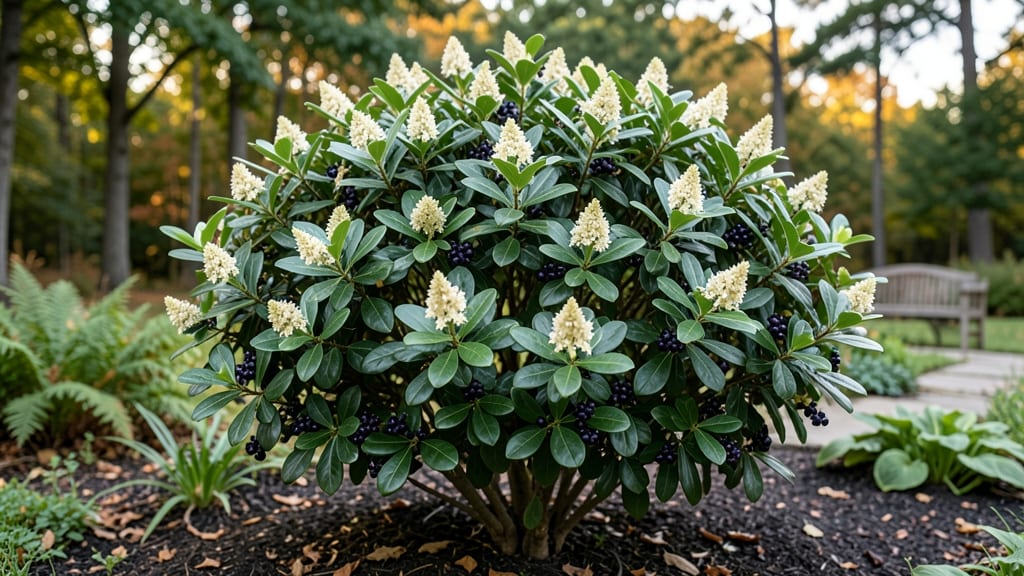
My Japanese waxleaf privet thrives because I prune it right after flowering—the secret to bushier growth and that coveted dense foliage. 🌿 The glossy, dark green leaves alone make it a standout, but proper pruning turns it into a privacy powerhouse that stays lush all year.
Start with sharp pruners and cut just above a leaf node at a 45-degree angle—this encourages new branches to fill in gaps. I trim back about one-third of the previous year’s growth in late winter or early spring, and lightly shape it again in summer to maintain its shape.
The key is consistency; over-pruning stresses the plant, while too little lets it get leggy. By late summer, you’ll see fresh green shoots filling in any bare spots, and the plant will hold its shape through winter’s chill.
It’s the perfect hedge for foundations, property lines, or even a natural windbreak—just give it space to grow (6–8 feet wide at maturity). For best results, pair this with regular watering during dry spells and a light layer of mulch to keep roots happy.
Your privet will reward you with year-round greenery that neighbors will envy.
📚 In This Guide
- What you need
- Instructions
- Tips and common mistakes
- Wrapping up and next steps
What you need
Ready to give your Japanese waxleaf privet (Ligustrum japonicum) the pruning love it deserves? Here’s what you’ll need to tackle the job like a pro—whether you’re shaping it for bushier growth or maintaining that lush, year-round privacy hedge!
🌿 Required Materials & Tools
- Pruning shears: Bypass pruners (for clean cuts on smaller branches, 3- to 6-inch blades).
- Loppers: For thicker branches (1.5- to 2-inch cutting capacity).
- Hedge shears: If shaping a formal hedge (12- to 18-inch blades).
- Gloves: Heavy-duty, cut-resistant gloves (to protect against thorns and sap).
- Disinfectant: 70% isopropyl alcohol or pruning sealant (to prevent disease spread).
- Pruning saw: For any stubborn, thick branches (8- to 10-inch blade).
- Ladder or step stool: For reaching higher branches safely (extendable 6- to 10-foot reach).
- Trash bags or bucket: For collecting clippings (5-10 gallons, depending on size).
- Sharpie or label markers: To mark branches for removal (optional but helpful for planning).
💡 Optional (But Helpful!) Extras
- Hand pruners with ratchet: For fatigue-free pruning on large hedges.
- Pruning rope or twine: To temporarily tie branches apart for better access.
- Plant food or fertilizer: Slow-release granular fertilizer (e.g., 10-10-10 NPK ratio) to nourish post-pruning.
- Mulch: Shredded bark or wood chips (2-3 inches deep) to retain moisture and suppress weeds.
- Safety glasses: To shield eyes from debris (especially when using a pruning saw).
Pro tip: 🔥 Always sterilize your tools before and after pruning to avoid spreading fungal diseases like anthracnose—wipe blades with rubbing alcohol or a bleach solution (1 part bleach to 9 parts water).
Step-by-step pruning guide for Japanese waxleaf privet
Here's how I transform leggy privet hedges into lush, year-round privacy screens with just a few cuts.
✂️ Step 1: Time Your Pruning for Best Results
Prune your Japanese waxleaf privet in early spring—right after the last frost but before new growth begins. This timing ensures you’re cutting back last year’s growth while encouraging fresh, vigorous shoots from the base. If you must prune later, do it in late summer to allow time for new growth before winter. Avoid pruning in fall or winter, as cold stress makes the plant more vulnerable to disease.
Watch for new leaf buds forming along the stems—these are your signal that the plant is waking up from dormancy. Once you see them, it’s time to grab your shears. I like to prune on a dry, overcast day to reduce stress on the plant and minimize sap bleeding.
✂️ Step 2: Shape the Hedge for Fullness
Start by removing any dead, diseased, or crossing branches first—these compete with healthy growth and can invite pests. Cut these back to the main stem or ground level, depending on their severity. Next, focus on thinning out the center of the hedge to improve airflow and sunlight penetration. Aim to remove about one-third of the oldest growth from the interior, cutting just above a leaf node or outward-facing bud.
For a bushier look, trim the outer branches at a 45-degree angle just above a set of leaves. This encourages lateral branching. Avoid cutting into old wood—you’ll know it’s too mature if the cut surface is dark and woody rather than green and flexible. Step back frequently to check your progress; the goal is a tapered shape wider at the base and narrower at the top.
✂️ Step 3: Refine the Edges for a Clean Finish
Use a hedge trimmer to create smooth, even edges along the top and sides of the hedge. Work in small sections, keeping the trimmer at a consistent height—typically 3-4 feet tall for a privacy screen, but adjust based on your needs. For a natural look, leave the edges slightly irregular, or go for a crisp, geometric shape if that’s your style. Always trim outward to avoid creating a concave shape that collects debris and encourages rot.
Pay attention to the bottom of the hedge—this is where many privets thin out over time. Lightly trim the lower branches to encourage new growth at the base. If you notice bare spots, prune just above a healthy bud to redirect energy downward. Water the base thoroughly after pruning to help the plant recover and reduce stress.
⏰ Step 4: Maintain Through the Growing Season
After your initial pruning, monitor the hedge for new growth—you should see fresh shoots emerging within 2-4 weeks. Lightly trim any overgrown sections throughout the summer to maintain shape, but avoid heavy pruning. Japanese waxleaf privet responds well to regular light pruning, so a quick touch-up every 4-6 weeks keeps it dense and healthy.
Here’s the thing—don’t overdo it. If you notice the hedge losing its lushness, it might be time for a renewal prune in late summer. Cut back about one-third of the oldest growth again, but focus on the interior to open up the center. This encourages fresh, vibrant growth before winter sets in. Mulch around the base with 2-3 inches of organic mulch to retain moisture and protect roots.
Tips & tricks for pruning Japanese waxleaf privet
Here's what nobody tells you about transforming your leggy privet into a dense, year-round privacy screen.
Timing is Everything: The early spring window (right after last frost) is your best shot at vigorous regrowth. If you miss it, late summer is your second chance—but avoid fall or winter pruning entirely. Cold stress weakens the plant, making it more susceptible to disease. I've seen privets recover beautifully after spring pruning, but winter cuts often lead to winter dieback. Watch for those new leaf buds forming along the stems—they're your green light to start cutting.
Tool Technique: Sharp tools make all the difference. Use clean, sharp pruners for branches up to ½-inch thick, and a pruning saw for thicker branches. Always make cuts at a 45-degree angle just above a leaf node or outward-facing bud—this encourages new growth in the right direction. I learned this the hard way after making straight cuts that left ugly stubs and poor regrowth. For the hedge trimmer, work in small sections to maintain even height, and always trim outward to prevent concave shapes that trap moisture.
Renewal Strategy: That late summer renewal prune is your secret weapon for maintaining density. Cut back about one-third of the oldest growth from the interior, focusing on opening up the center. This might seem drastic, but it stimulates fresh, vibrant growth before winter. I've seen hedges that looked like they were dying completely transform after this step—just give it time. The key is to mulch with 2-3 inches of organic material afterward to protect those new shoots from temperature swings.
Visual Cues: When shaping your hedge, step back every few minutes to check your progress. The goal is a tapered shape—wider at the base, narrower at the top. For the bottom third, look for bare spots where the hedge has thinned out. Trim just above a healthy bud to redirect energy downward. This simple visual check prevents that "Christmas tree" look where the bottom gets sparse while the top stays dense. Think of it as sculpting—you're creating a living work of art that provides privacy year-round.
Pro Tips for Japanese Waxleaf Privet
- Here's what nobody tells you about transforming your leggy privet into a dense, year-round privacy screen.
- Timing is Everything: The early spring window (right after last frost) is your best shot at vigorous regrowth. If you...
- Tool Technique: Sharp tools make all the difference. Use clean, sharp pruners for branches up to ½-inch thick, and a ...
Frequently asked questions
about Japanese waxleaf privet pruning—because even pros need a little help sometimes! Here are the answers to the most common questions to keep your shrub looking lush and healthy.When is the best time to prune Japanese waxleaf privet for bushier growth?
The ideal time is late winter or early spring (just before new growth begins). This encourages dense, bushy foliage. Avoid heavy pruning in fall—it can stimulate tender new growth that won’t survive winter. Light trimming to shape can happen anytime, but stick to the big cuts in early spring!
How much can I trim back my Japanese waxleaf privet without harming it?
You can safely remove up to one-third of the plant’s height in a single pruning session. For bushier growth, focus on cutting back older, leggy stems to encourage new branches. Avoid over-pruning—this can stress the plant and reduce its resilience. Think of it like a haircut: confidence, not a buzzcut!
What should I do if my Japanese waxleaf privet isn’t growing bushier after pruning?
If your privet isn’t responding, check these fixes:
- Fertilizer: Apply a balanced, slow-release fertilizer in early spring to promote growth.
- Watering: Ensure it’s getting 1–1.5 inches of water per week (more in extreme heat).
- Sunlight: Japanese waxleaf privet thrives in full sun to partial shade—too much shade can stunt growth.
- Soil: Amend heavy or compacted soil with compost to improve drainage.
Is Japanese waxleaf privet a good alternative to traditional privet hedges?
Japanese waxleaf privet (Ligustrum japonicum) is a hardier, more drought-tolerant option than common privet (Ligustrum vulgare). It boasts glossy, dark green leaves and stays dense year-round, making it perfect for privacy screens, hedges, or foundation plantings. Plus, it’s deer-resistant—a win for rural gardens!
Can I prune Japanese waxleaf privet in winter? What about frost?
Light shaping is fine in mild winter months (when temps stay above 20°F), but avoid heavy pruning during frost. Cold snaps can stress freshly cut stems. If you must prune in winter, do it on warmer days and avoid cutting into dormant buds—they won’t sprout until spring. Think of it like dressing for the weather: layer up for success!
Wrapping up and next steps
The Japanese waxleaf privet is a versatile, low-maintenance shrub that rewards your efforts with lush, dense foliage and year-round privacy—when pruned correctly! 🌿 With the right tools, timing, and techniques, you can shape it into a thriving hedge or specimen plant while keeping pests at bay.
Now that you’re armed with expert tips, go ahead and give your privet the care it deserves—your garden will thank you!
Ready to take action? Start by scheduling your next pruning session (early spring or late winter is ideal!) and observe how your Japanese waxleaf privet transforms. Happy gardening!