
Pests and Diseases
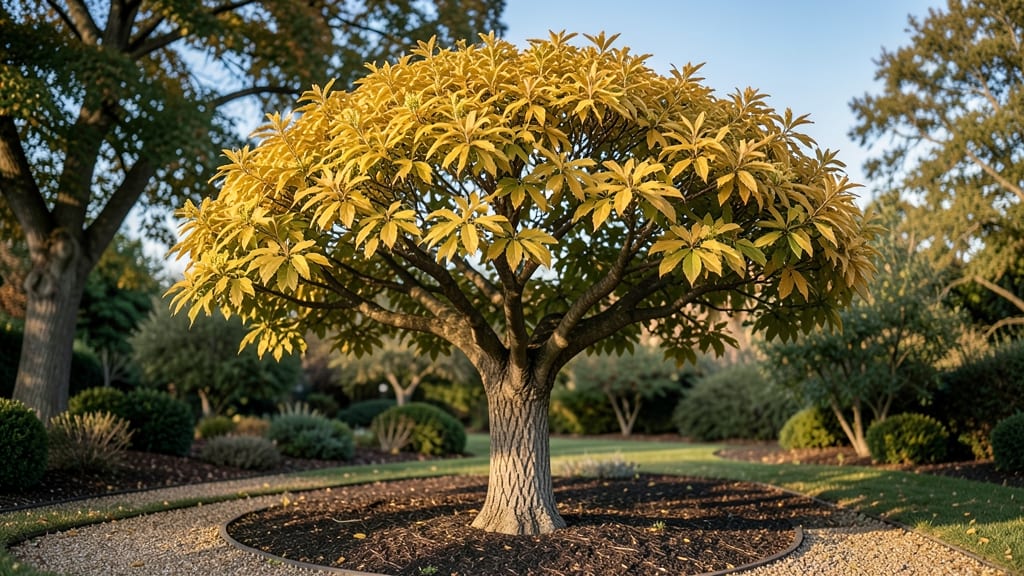
The Japanese Zelkova leaf is your first sign of whether this tree is thriving—or silently struggling. 🌿 Those distinctive oval-shaped leaves with serrated edges and subtle veins turn vibrant green in spring, but watch for yellow spots or curled edges that signal trouble before it spreads.
The tree’s disease-resistant reputation comes from its ability to handle urban pollution, but even the toughest plants need the right care. Plant in well-draining soil with full sun to partial shade, and water deeply but infrequently—overwatering is the #1 way to invite fungal problems like spot blight.
When you spot those dark brown spots or leaves curling like a parchment, act fast. Prune affected branches in dry weather, sterilize your tools, and avoid overhead watering. A light fungicide spray (neem oil works) can stop early outbreaks before they take hold.
This tree’s adaptability makes it perfect for city streets or small yards, but its slow growth means patience pays off. With the right care, you’ll see those golden fall hues that make Zelkova a standout in any landscape.
📚 In This Guide
- What you need
- Instructions
- Tips and common mistakes
- Wrapping up and next steps
What you need
- ● Japanese Zelkova tree – The subject of your inspection (obviously!). Ensure it’s mature enough to show symptoms clearly.
- ● Hand lens or magnifying glass – A 10x magnification lens works best for spotting tiny details like fungal spores or insect activity.
- ● Notebook and pen – To record observations (symptoms, leaf patterns, affected areas, and dates). A waterproof notebook is ideal if working outdoors.
- ● Camera or smartphone – Capture close-up images of symptoms for later reference or expert consultation.
- ● Gardening gloves – Nitrile or rubber gloves (thickness: 0.15mm–0.2mm) to protect your hands from sap, spores, or irritants.
- ● Pruning shears or sharp knife – For safely removing and inspecting affected leaves or branches. Disinfect blades with rubbing alcohol (70% isopropyl) between cuts.
- ● Plastic bags or Ziploc bags – To collect leaf samples for lab testing (if needed) or quarantine infected material.
- ● Ruler or measuring tape – To document the size of lesions, curl severity, or affected areas.
- ● Spray bottle with water – For dampening leaves to better observe symptoms like spot blight or curl patterns.
- ● Field guide or app – Like iNaturalist or a Japanese Zelkova disease guide for quick symptom comparisons.
- ● UV flashlight – Helps reveal fungal spores or insect activity under ultraviolet light.
- ● Portable UV lamp – For identifying spot blight lesions more clearly.
- ● Fungicide or pesticide samples – If you’re ready to treat, bring copper-based fungicides or neem oil for spot tests (follow label instructions!).
- ● Reference samples – Healthy Japanese Zelkova leaves for comparison.
Step-by-Step guide to identifying Japanese Zelkova leaf diseases
Here's how to spot common issues like spot blight and leaf curl before they spread.
🌿 Step 1: Examine Leaf Surface for Early Symptoms
Start by inspecting the upper and lower leaf surfaces under bright, indirect light. Look for small, dark brown or purplish spots that may have yellow halos—these are classic signs of spot blight. Run your fingers gently over the leaves; you'll notice a slightly rough texture where fungal spores have settled.
Check the leaf margins (edges) for irregular curling or puckering, which often indicates viral or environmental stress. Hold the leaf between your fingers and flex it slightly—healthy leaves spring back, while diseased ones stay curled. Early detection means you can act before the entire tree suffers.
🌱 Step 2: Inspect Stem and Petiole Connections
Gently separate leaves from their stems to check for swollen nodes or discoloration at the petiole (leaf stalk). Spot blight often causes blackened veins that spread upward, while leaf curl may reveal stunted growth where the leaf meets the stem. Use a hand lens if needed—you'll see tiny fungal lesions or insect damage that aren't visible to the naked eye.
If the leaf falls off when you tug it gently, that's a red flag for advanced disease. Healthy leaves stay firmly attached unless you apply significant force. Note any unusual webbing or sap—these indicate secondary pests like spider mites that worsen stress on the tree.
💧 Step 3: Check Moisture Levels and Environmental Conditions
Japanese zelkovas thrive in well-draining soil with moderate moisture, but excess humidity encourages spot blight. Feel the soil around the tree's base—if it's damp for more than 48 hours, fungal spores spread rapidly. Water only when the top 2 inches of soil feel dry, and avoid overhead irrigation, which splashes spores onto leaves.
Look for shade patterns—if the tree sits in low-light areas or near dense foliage, poor airflow traps moisture. Prune nearby branches to improve circulation, and remove any fallen leaves (they harbor spores). This is the moment to act: preventative pruning now stops outbreaks before they start.
✂️ Step 4: Confirm Diagnosis with Leaf Tests
Collect 3-4 symptomatic leaves and place them in a sealed plastic bag with a damp paper towel for 24 hours. If you see white fungal growth inside the bag, spot blight is confirmed. For leaf curl, check for mottled patterns—viruses cause bright yellow or white patches between veins, while nutrient deficiencies produce uniform discoloration.
Send samples to a local extension service if unsure—professionals can test for pathogens like Cercospora (spot blight) or Phytophthora (root rot). Real talk: delaying treatment lets diseases move into the tree's vascular system, making recovery nearly impossible. Act fast once you confirm the issue.
🌿 Step 5: Implement Targeted Treatment Plans
For spot blight, apply a copper fungicide (like copper sulfate) during early morning hours when humidity is low. Follow label rates precisely—overapplying can burn leaves. For leaf curl, remove all infected leaves within a 10-foot radius of the tree to prevent spread. Sterilize pruners with 70% isopropyl alcohol between cuts.
Boost the tree's resilience by fertilizing with a balanced 10-10-10 formula in early spring. Focus on root health—water deeply once weekly during dry spells, and mulch with 2-3 inches of organic matter to retain moisture without suffocating roots. This is where patience pays off: consistent care rebuilds the tree's defenses over time.
Tips & tricks for identifying Japanese Zelkova leaf diseases
These expert insights will help you diagnose issues like spot blight and leaf curl with confidence.
Leaf Texture Clues: In Step 1, when examining leaf surfaces, pay special attention to the texture difference between healthy and diseased leaves. Spot blight creates a slightly rough, sandpaper-like texture due to fungal growth. Run your fingers over both sides of the leaf—healthy leaves feel smooth, while infected ones will have a noticeable graininess. This tactile check is often more reliable than visual inspection alone, especially in early stages when spots may be faint.
Timing for Leaf Tests: The 24-hour incubation period in Step 4 is critical—don't rush this test! Place your sealed bag of symptomatic leaves in a location with consistent room temperature (around 70°F). If you notice white fungal growth before 24 hours, your tree is already in the active spread phase and requires immediate treatment. Conversely, if you see no growth after 24 hours, the symptoms may indicate something else, like environmental stress rather than fungal infection.
Pruning Strategy: When implementing the preventative pruning in Step 3, focus on creating an open canopy that allows sunlight to penetrate to the lower branches. Remove any branches that are crossing or rubbing against each other, as these create entry points for pathogens. Sterilize your pruning tools with 70% isopropyl alcohol between cuts to prevent cross-contamination. This isn't just about aesthetics—proper pruning improves airflow by up to 30%, which is your tree's best defense against fungal diseases.
Fungicide Application: For the copper fungicide treatment in Step 5, timing matters more than you might think. Apply it during early morning hours when humidity is naturally lower, typically between 6-9 AM. If you apply it later in the day when dew is present, the copper can actually burn the leaves. Also, make sure to cover both the upper and lower leaf surfaces completely—many gardeners forget the undersides, where fungal spores often thrive in the protected environment.
Pro Tips for Japanese Zelkova Leaf
- These expert insights will help you diagnose issues like spot blight and leaf curl with confidence.
- Leaf Texture Clues: In Step 1, when examining leaf surfaces, pay special attention to the texture difference between healthy and diseased leaves.
- Timing for Leaf Tests: The 24-hour incubation period in Step 4 is critical—don't rush this test!
Frequently asked questions
Got questions about identifying and managing Japanese Zelkova leaf issues like spot blight and curl? You’re not alone! Here are some of the most common concerns—plus quick answers to help you take action.
What does Japanese Zelkova leaf spot blight look like?
Spot blight on Japanese Zelkova leaves typically appears as dark brown or black circular spots with yellow halos. Over time, these spots may enlarge, merge, or develop a grayish center. Affected leaves may also curl or drop prematurely. For a visual guide, compare your tree’s symptoms to USDA plant disease resources.
When is the best time to treat Japanese Zelkova leaf curl or spot blight?
Act early—ideally in late winter or early spring before new leaves emerge. This gives fungicides (like copper-based or neem oil sprays) time to establish a protective barrier. If you spot symptoms mid-season, prune infected leaves immediately and apply a fungicide within 48 hours to slow spread.
Can I use household items (like baking soda or vinegar) to treat spot blight?
While baking soda sprays (1 tbsp baking soda + 1 gallon water + a drop of dish soap) can help prevent mild fungal issues, they’re not reliable for treating established spot blight or curl. For severe cases, opt for USDA-approved fungicides like chlorothalonil or myclobutanil. Always test sprays on a small leaf first!
Will pruning infected leaves stop the spread of Japanese Zelkova diseases?
Yes! Pruning is critical—remove and dispose of infected leaves (don’t compost them!). Focus on dead or heavily curled branches first, then sterilize pruners with rubbing alcohol between cuts. Thin the canopy to improve airflow, which reduces humidity—a key factor for fungal growth.
Are Japanese Zelkova trees prone to other diseases besides spot blight and curl?
Watch for:
- Anthracnose: Dark, sunken lesions on leaves/stems (common in wet springs).
- Powdery Mildew: White, flour-like coating on leaves (thrives in shady, humid areas).
- Scale Insects: Sticky residue (honeydew) and black sooty mold on leaves.
If you spot these, adjust watering practices (avoid overhead spraying) and treat with horticultural oil or insecticidal soap.
Wrapping up and next steps
Identifying Japanese Zelkova leaf issues like spot blight and curl doesn’t have to be overwhelming—just arm yourself with the right knowledge and tools!
By recognizing early signs (like dark spots or twisted edges) and acting quickly, you can protect your trees and keep them thriving. Now’s the perfect time to take action: grab your magnifying glass, inspect those leaves, and treat any problems before they spread. Your green thumbs will thank you! 🌿✨
- Next step: Bookmark this guide for future reference or share it with fellow gardeners!