
Vegetables
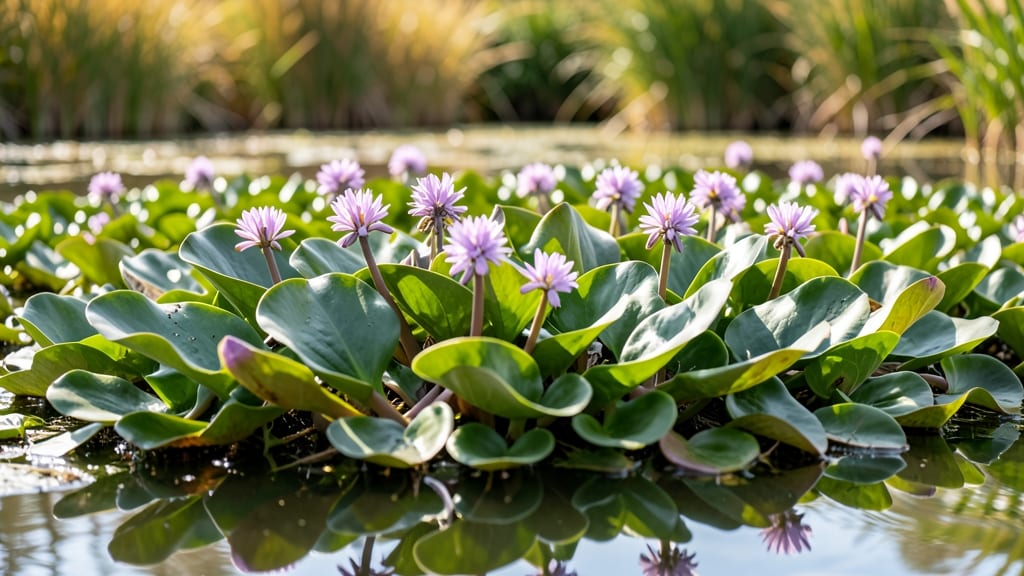
Large green leaf weeds are the garden equivalent of that one stubborn stain on your favorite shirt—no matter how hard you scrub, they keep coming back. 🌱 I’ve spent years battling these tenacious broadleaf invaders, and I’ve learned the hard way that brute force alone won’t win this fight.
The key isn’t just pulling them out (though that helps) but understanding why they thrive and how to starve them out for good.
Most of these weeds—think dock, bindweed, or even those sneaky chickweed patches—love disturbed soil and compete aggressively for sunlight and nutrients. The moment you yank one, two more seem to pop up in its place.
My breakthrough came when I combined manual removal with smothering techniques like thick mulch and landscape fabric, cutting off their food source while choking out new growth.
By the end of the season, you’ll see fewer weeds creeping into your beds, and your vegetables will finally get the space (and nutrients) they deserve.
The secret? Consistency—check your garden weekly, pull what you can, and mulch religiously to break their cycle. It’s not a one-time fix, but it works.
Works for any garden bed, raised planter, or even between paving stones. Here’s how to make them disappear for good—without resorting to harsh chemicals that harm your soil (and your veggies).
Root Causes of Unwanted Leafy Growth
When those large, glossy green leaves start crowding out your prized plants, it’s often a sign of an underlying issue—whether it’s a sneaky invader or a simple oversight in garden care.
Understanding the why behind their rapid spread is the first step to reclaiming your garden. Let’s break down the most common culprits and their scientific roots.
If your soil is too fertile or waterlogged, it creates the perfect breeding ground for fast-growing, leafy weeds. These plants thrive on excess nutrients and moisture, outcompeting slower-growing vegetables and flowers.
- Why it happens:
- Organic matter (like compost or manure) breaks down too quickly, releasing a nitrogen spike that fuels rapid weed growth.
- Poor drainage traps water, encouraging shallow-rooted weeds (like lamb’s quarters or purslane) to flourish.
- Overwatering—especially with sprinklers—creates a uniformly damp surface, giving weeds a consistent water supply.
- Actionable fix:
- Test your soil’s nitrogen levels (ideal for veggies: 20–40 ppm). Use a DIY soil test kit or send a sample to a lab.
- Amend heavy clay soil with sand or perlite to improve drainage. For sandy soil, mix in compost to retain moisture without suffocating roots.
- Switch to drip irrigation or soaker hoses to deliver water directly to plant bases, avoiding weed-friendly surface moisture.
Weeds are opportunistic—they exploit any gap in your garden’s defenses. Tilling, mulching poorly, or leaving empty spaces after harvest sends them a welcome mat.
- Why it happens:
- Tilling buries weed seeds but doesn’t kill them; it actually brings them closer to sunlight and nutrients, triggering germination.
- Thin mulch layers (under 2–3 inches) leave bare patches where weeds like dandelions or chickweed take root.
- Removing plants without backfilling with mulch or cover crops leaves soil exposed to windborne seeds.
- Actionable fix:
- Skip the till! Use a broadfork to loosen soil without disturbing seeds, or try no-till gardening with sheet mulching.
- Apply a 3-inch layer of organic mulch (straw, wood chips, or leaves) to block light and smother weeds.
- Plant cover crops (like clover or vetch) in empty beds to outcompete weeds naturally.
Some weeds spread like wildfire—literally. Their lightweight seeds hitch rides on breezes, cling to animals, or float downstream, landing in your garden uninvited.
- Why it happens:
- Windborne seeds (e.g., cheatgrass or ragweed) travel miles, while water-dispersed seeds (like duckweed) spread via irrigation or rain.
- Birds, squirrels, and even human shoes carry seeds from one area to another. A single milkweed pod can release 200+ seeds in a season!
- Contaminated compost, mulch, or potting soil often hides dormant weed seeds waiting to germinate.
- Actionable fix:
- Create a weed-free buffer zone around your garden using gravel or dense ground covers to block windblown seeds.
- Inspect new plants and soil amendments for hitchhiking weeds. Soak seeds in vinegar or hydrogen peroxide (3%) for 5 minutes to kill contaminants.
- Encourage beneficial predators (like ladybugs or birds) to control seed-spreading pests naturally.
Some leafy weeds (like bindweed or nutsedge) are shade-tolerant and thrive where vegetables struggle—think dappled light under trees or in crowded beds.
- Why it happens:
- Vegetables like tomatoes or peppers need 6–8+ hours of sun, but weeds adapt to low-light conditions by growing taller or spreading horizontally.
- Overcrowded plants compete for sunlight, creating gaps where weeds exploit weak spots.
- Fast-growing weeds outshade slower crops, stealing sunlight before your veggies can photosynthesize.
- Actionable fix:
- Thin out overcrowded plants to improve airflow and sunlight penetration. Aim for 12–18 inches of spacing between vegetables.
- Use tall plants (like corn or sunflowers) as living windbreaks to block weed seeds while casting shade on invasive species.
- Apply black plastic mulch or cardboard in problem areas to block light entirely and starve weeds.
Pro Tip: 💡 Keep a garden journal to track where weeds pop up most. Note soil conditions, sunlight, and recent disturbances—this helps you predict and prevent future outbreaks!
How to Treat and Prevent Leafy Invaders
Discovering large green leaf weeds creeping into your garden can feel like an unwelcome surprise—especially when they outcompete your prized plants. But don’t worry! With the right approach, you can banish these leafy invaders and keep your garden thriving.
Below, we’ve mapped out targeted solutions based on the most common causes, plus prevention tips to stop them from returning. Let’s tackle this step by step!
If you’ve spotted a few stubborn large green leaf weeds (like dandelions, bindweed, or pigweed), manual removal is your first line of defense. The key? Timing and technique.
👨🍳 Step 1: Pull at the Right Time
- Best time: Early morning or after rain when soil is moist (weeds slide out easier!).
- Avoid: Pulling when soil is dry—roots may break, leaving fragments to regrow.
- Pro tip: 💡 Use a weed puller tool (or a fork) to grip the base and lift entire roots. No tool? Try wearing gloves and pulling firmly with a twisting motion.
🔪 Step 2: Dispose Properly
- Bag it: Place weeds in a sealed trash bag (not compost)—many weeds resprout from leftover stems.
- Burn (if allowed): In rural areas, small piles can be burned (check local laws first!).
- Mulch caution: 🚫 Never mulch weeds with seeds or tubers (like bindweed)—it spreads the problem.
⏰ Step 3: Repeat Weekly
- Weeds grow fast! Check your garden every 5–7 days during peak growing seasons (spring/fall).
For dense patches of leafy weeds (like chickweed or lamb’s quarters), smothering cuts down on labor while starving them of sunlight.
📊 Option 1: Cardboard or Newspaper
- Lay down 2–3 layers of wet cardboard or thick newspaper over the weed patch.
- Cover with 3–4 inches of mulch (straw, wood chips, or leaves).
- Wait 4–6 weeks—weeds decompose, and your soil stays weed-free!
🌡️ Option 2: Black Plastic Sheet
- How: Cover the area with black plastic for 6–8 weeks in sunny weather. The heat kills weeds and suppresses regrowth.
- Bonus: After removal, the soil is pre-warmed for planting!
- Warning: 🔥 Only use in non-organic gardens—plastic can leach chemicals over time.
If weeds keep coming back, try these non-toxic sprays to weaken or kill them without harming your garden.
🍎 Vinegar Solution (Best for Young Weeds)
- Mix: 1 gallon white vinegar + 1 cup dish soap + 2 tbsp salt.
- Apply: Spray directly on leaves (avoid desirable plants—vinegar burns foliage).
- Kills weeds in 24–48 hours (works best on small, non-woody weeds).
🌿 Boiling Water (Spot Treatment)
- How: Pour boiling water directly on weed roots (great for cracks in pavement or driveways).
- Best for: Annual weeds like plantain or purslane.
🎯 Corn Gluten Meal (Preventative Barrier)
- How: Sprinkle 20 lbs per 100 sq ft in early spring before weeds sprout.
- Why it works: Blocks seed germination naturally (safe for organic gardens).
The best defense? Stop weeds before they start. Here’s how to create a weed-resistant garden:
1. Improve Soil Health
- Add compost (2–3 inches annually) to crowd out weeds with healthy plants.
- Use mulch: Apply 3–4 inches of organic mulch (straw, wood chips) to block sunlight and retain moisture.
2. Plant Strategically
- Close gaps: Dense planting (like ground covers or companion plants) leaves no room for weeds.
- Choose competitive plants: Fast-growing veggies (e.g., radishes, lettuce) outcompete weeds.
3. Water Wisely
- Deep, infrequent watering encourages deep roots in your plants (not shallow weed roots).
- Avoid overwatering: Weeds thrive in damp soil—water only when necessary.
4. Solarize Problem Areas
- For stubborn patches: Cover with clear plastic for 4–6 weeks in hot sun. The trapped heat kills weed seeds and soil-borne pests.
If weeds persist despite your efforts, consider:
- Hand-hoeing with a Hula hoe for large areas.
- Flaming tools (for driveways/walkways—use cautiously!).
- Professional help** for invasive species like bindweed or kudzu (they require targeted treatments).
With these practical, weed-specific solutions, you’ll reclaim your garden in no time. Remember: consistency is key—stay vigilant, and those leafy invaders won’t stand a chance! 🌿🚫
Frequently asked questions
What are the most common types of large green leaf weeds I should watch for?
Look for dandelions, bindweed (with arrowhead-shaped leaves), pigweed (red stems), lamb’s quarters (triangular leaves), and chickweed (small but aggressive). These are the most persistent broadleaf weeds that crowd out vegetables and flowers.
Can I use vinegar to kill large green leaf weeds safely?
Yes, but with caution! A mix of 1 gallon white vinegar + 1 cup dish soap + 2 tbsp salt works best on young weeds. Spray directly on leaves (avoid desirable plants)—it kills in 24-48 hours. For thick patches, repeat weekly until gone. Best for driveways or non-organic garden areas.
Why do weeds keep coming back even after I pull them?
Most weeds have deep roots or spread via underground runners (like bindweed). If you don't remove the entire root system, fragments regrow. Also, disturbed soil brings dormant seeds to the surface. Use mulch or smothering techniques to prevent regrowth.
Is black plastic better than mulch for killing weeds?
Both work, but differently. Black plastic bakes weeds in heat (6-8 weeks of sunny weather) and warms soil for planting. Mulch smothers weeds organically while improving soil. Plastic is faster but not organic; mulch is safer for edible gardens but takes longer to work.
How can I prevent weeds from spreading to my vegetable garden?
Create a 3-inch mulch barrier (straw or wood chips) around plants, use corn gluten meal in spring to block seed germination, and plant dense ground covers like clover. Water deeply but infrequently to discourage shallow weed roots.