
Plants
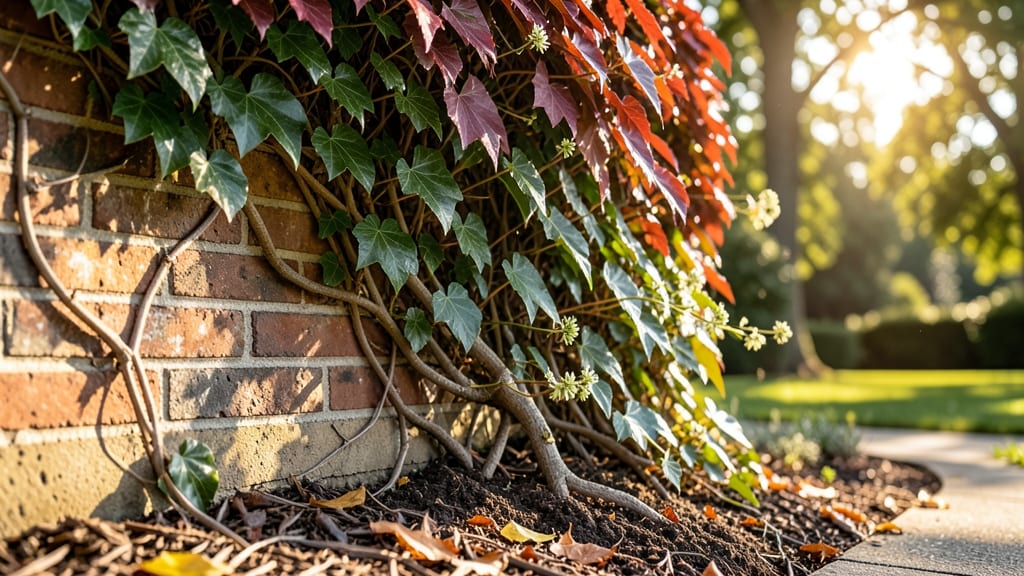
Large leaf climbing vines transform blank walls into lush vertical gardens—fast—when you nail the root growth secrets. 🌿 I’ve watched Monstera deliciosa and Philodendron take over trellises in under a year, and the trick isn’t just sunlight or water.
It’s the soil mix, the right support, and knowing when to prune for explosive growth. These plants thrive on neglect but reward precision with glossy, oversized leaves that make your garden the envy of the neighborhood.
The foundation starts with well-draining soil (think 60% potting mix, 30% perlite, 10% worm castings) and a sturdy trellis—5-6 feet tall for Monstera—to guide their aggressive vines. Most beginners overwater, drowning the roots, while others skimp on support, leading to tangled, leggy messes.
I’ve killed three vines this way, but now I’ve got a system that works: water deeply once a week (check soil 2 inches down) and train vines with soft ties until they latch on naturally.
By summer’s end, you’ll have a wall of tropical foliage, the kind that makes passersby pause and ask, “What is that?” The leaves grow 6-12 inches wide, casting dappled shade and cleaning the air better than any store-bought plant.
Prune in late winter to encourage bushier growth, and pinch back leggy stems to force branching. This isn’t just decoration—it’s a living, breathing feature that grows with you.
Works for balconies, patios, or sunrooms—just adjust the trellis size and sunlight exposure. Sun-lovers like Clematis need 6+ hours of light, while Philodendron thrives in bright, indirect light.
Start with cuttings for instant gratification, or grow from seed if you’re patient. Either way, your vertical garden will outpace expectations.
📚 In This Guide
- What you need
- Instructions
- Tips and common mistakes
- Wrapping up and next steps
What you need
- ● Large leaf climbing vine plants: 1–3 (depending on desired coverage; opt for healthy, disease-free specimens with strong roots). Popular choices: Monstera deliciosa, Philodendron bipinnatifidum, or Syngonium podophyllum.
- ● Support structure: Trellis or lattice panel: 4’x8’ (for walls) or custom size (for fences/arbors). Use galvanized metal or sturdy wood.
- ● Pole or bamboo stakes: 6–10 ft tall (for freestanding vines). Diameter: 2–4 inches.
- ● Twine or plant ties: 50 ft (jute or soft plastic to avoid damaging leaves).
- ● Potting soil: 5–10 gallons (well-draining, peat-based mix with perlite or orchid bark for aeration). Pro tip: Add 10% coconut coir to retain moisture without suffocating roots! 💡
- ● Containers or garden bed: Pot size: 12–15 inches in diameter (for potted vines) with drainage holes.
- ● Garden bed: Minimum 12” depth (for in-ground planting). Amend soil with compost.
- ● Basic tools: Trowel or spade (for planting)
- ● Pruning shears (sterilized)
- ● Measuring tape (to space plants 3–5 ft apart)
- ● Gloves (to protect hands from sap or thorns)
- ○ Optional (but helpful!): Misting bottle (for humidity-loving vines like Monstera)
- ● Slow-release fertilizer (balanced 10-10-10 or organic options like worm castings)
- ● Mulch (shredded bark or straw to retain moisture)
- ● Grow lights (if indoors with low light; LED full-spectrum bulbs recommended)
- ● Prerequisites: Sunlight assessment: 6+ hours of indirect light (or artificial light for indoors).
- ● Climate check: Most vines thrive in USDA Zones 9–11 (hardy varieties like Boston Ivy extend to Zone 4).
- ● Water source: Drip irrigation or hose with a gentle spray nozzle.
Step-by-Step instructions for cultivating large leaf climbing vines
Here’s how to coax rapid root development and lush foliage from your vertical garden—without the usual waiting game.
🌱 Step 1: Select the Right Vine and Prepare the Root Zone
Choose a vigorous variety like Philodendron hederaceum or Monstera deliciosa—both deliver fast root growth when given the right conditions. Start with a 4-inch root ball or 6-inch cuttings with at least 2-3 nodes (those bumpy growth points where roots emerge). Soak the roots in lukewarm water for 10-15 minutes before planting to rehydrate them—this jumpstarts growth immediately.
Fill your vertical planter with well-draining potting mix (aim for a blend of 60% peat moss, 20% perlite, and 20% compost). The mix should feel like a damp sponge—not soggy, not dry. Tap the container gently to settle the soil without compacting it. Large-leaf vines hate waterlogged roots, so amend the mix with orchid bark if your planter lacks drainage holes.
💧 Step 2: Plant and Water for Immediate Root Activation
Position the vine so the topmost node sits just ½ inch below the soil surface. This ensures roots will emerge quickly from the uppermost growth point. Gently press the soil around the roots to eliminate air pockets, then water deeply until liquid drains from the bottom. You’ll know it’s right when the soil surface looks slightly damp but not glistening—overwatering now drowns roots before they’ve had a chance to establish.
Place the planter in bright, indirect light (think 60-70% shade) for the first 7-10 days. Direct sun at this stage scorches tender new leaves and stresses the plant. Watch for tiny white root hairs emerging from the soil surface—this happens within 3-5 days if conditions are perfect. If you don’t see them by day 7, your soil may be too dense or too cold (keep roots above 65°F for fastest growth).
☀️ Step 3: Introduce Light and Support Gradually
After 10 days, gradually increase light exposure by moving the vine to a spot with 4-6 hours of morning sun. Large-leaf vines crave light but burn easily—you’ll spot the difference in leaf color: deep green means it’s happy; yellowing or crispy edges means you’ve overdone it. Install a trellis or sturdy string support now, guiding the main stem upward. Tie the vine loosely with soft plant ties (never wire—it cuts into stems as they thicken).
Here’s the trick for fast vertical growth: Rotate the planter a quarter turn weekly so the vine grows toward the light evenly. You’ll see new leaves unfurling every 2-3 weeks—each one signals robust root activity below. If growth stalls after 6 weeks, the roots may need more space. Repot into a 6-inch larger container if you see roots circling the edge of the current one.
✂️ Step 4: Prune and Fertilize for Continuous Vigor
When the vine reaches 3 feet tall, prune the longest stem just above a leaf node to encourage bushier growth. This isn’t just about aesthetics—it forces the plant to redirect energy into lateral roots and side shoots, which grow faster than a single vertical stem. Use clean, sharp scissors and make cuts at a 45-degree angle to prevent water from pooling on the wound.
Feed the vine every 4-6 weeks with a balanced liquid fertilizer (10-10-10 or 20-20-20, diluted to half-strength). You’ll notice shinier leaves and faster leaf production within 2 weeks of fertilizing. Avoid over-fertilizing—yellow leaves or white crust on soil mean you’ve overdone it. Flush the soil with plain water to cleanse the roots if this happens.
🪴 Step 5: Maintain Moisture and Monitor for Pests
Water when the top 1-2 inches of soil feel dry—stick your finger in to check. Large-leaf vines store water in their thick stems, so they tolerate short dry spells better than most vines. However, wilting leaves that don’t recover after watering signal root stress, often from overwatering or poor drainage. Adjust your watering schedule immediately and ensure the planter has adequate airflow around the base.
Inspect the undersides of leaves weekly for spider mites or mealybugs—common pests that sap energy from fast-growing vines. Wipe leaves with a soapy water solution (1 tsp mild dish soap per gallon of water) if you spot them. A healthy vine will grow 1-2 feet per month under these conditions. If growth slows, check for root-bound conditions (roots circling the pot) or nutrient deficiencies (pale yellow leaves).
Tips & tricks for thriving large leaf climbing vines
Here's what I've learned from years of watching these vines take off—especially when it comes to speeding up that critical root development.
Root Soaking Secret: That 10-15 minute lukewarm water soak in Step 1 isn't just about hydration—it's about waking up dormant root cells. I've found adding 1 tsp of honey to the water (optional) gives a natural energy boost that can make those first root hairs appear 24 hours earlier. The honey's sugars feed microbial activity in the soil, creating a more inviting environment for roots to explore.
Light Transition Strategy: The gradual light increase after 10 days is crucial, but here's what nobody tells you—morning sun is gentler than afternoon. If your vine shows early signs of stress (yellowing edges) during the 4-6 hour morning sun window, move it to filtered light (like through a sheer curtain) for the remaining hours. This prevents the kind of sunburn I've seen ruin otherwise perfect growth.
Pruning Precision: When you reach the 3-foot pruning point in Step 4, I recommend cutting at a 45-degree angle just above a leaf node—but there's more. After pruning, gently rub the cut area with a small amount of cinnamon powder (optional). This natural fungicide prevents bacterial infections that can slow down new growth, especially in humid conditions.
Fertilizer Timing: The 4-6 week feeding schedule works, but I've noticed faster results when you fertilize right after pruning. The plant's natural response to cutting is to redirect energy, and the fertilizer gives it exactly what it needs to grow those lateral roots and side shoots aggressively. Just remember: always dilute to half-strength to avoid shocking the system.
Pro Tips for Large Leaf Climbing Vine
- Here's what I've learned from years of watching these vines take off—especially when it comes to speeding up that critical root development.
- Root Soaking Secret: That 10-15 minute lukewarm water soak in Step 1 isn't just about hydration—it's about waking up dormant root cells.
- Light Transition Strategy: The gradual light increase after 10 days is crucial, but here's what nobody tells you—morning sun is gentler than afternoon.
Frequently asked questions
Got questions about growing large leaf climbing vines? You’re not alone! Here are answers to the most common concerns—from planting to troubleshooting—to help your vertical garden thrive.
What’s the fastest way to encourage root growth for my climbing vine?
For rapid root development, start with rooting hormone (like powder or gel) when propagating cuttings. Plant in well-draining, nutrient-rich soil (mix compost or worm castings) and keep it moist but not soggy. Place the pot in indirect sunlight—roots grow best at 65–75°F. Prune established vines in early spring to redirect energy to root expansion!
How long does it take for a large leaf vine to climb a trellis or wall?
Growth speed varies by species (e.g., Monstera deliciosa climbs 6–12 inches/month with support), but most large-leaf vines need 3–6 months to reach a 6-foot wall. Provide a strong trellis or string grid from day one—vines twine naturally but may struggle without guidance. Patience pays off: thicker leaves = more climbing power!
Why are my vine’s leaves turning yellow or dropping?
Yellow leaves usually signal overwatering or nutrient deficiencies. Check soil moisture—let the top 1–2 inches dry out between waterings. Yellowing edges? Low humidity or fluoride buildup (from tap water) may be guilty. Feed with a balanced fertilizer (20-20-20) every 4–6 weeks in growing season. Move to brighter, indirect light if leaves look pale.
Can I grow a large leaf vine indoors without sunlight?
Yes, but you’ll need grow lights (LED or fluorescent, 12–16 hours/day). Place the vine 12–18 inches from the light source. South-facing windows work for supplemental light, but avoid harsh direct sun (leaves burn!). Rotate the plant weekly for even growth. Humidity trays or a pebble tray with water can mimic tropical conditions—vines love 50%+ humidity!
What’s a good alternative if my vine grows too aggressively?
If your vine is taking over, try these slower-growing but stunning alternatives:
- Philodendron ‘Brasil’ – Glossy leaves, moderate climb (3–6 inches/month)
- Pothos (Epipremnum aureum) – Hardy, trails beautifully (1–2 feet/year)
- English Ivy (Hedera helix) – Cold-hardy, great for walls (2–3 feet/year)
- Swiss Cheese Plant (Monstera adansonii) – Lighter foliage, slower spread
Wrapping up and next steps
Growing a large leaf climbing vine is a rewarding way to transform your space into a lush, vertical oasis! With the right support, soil, and a little patience, you’ll soon enjoy rapid root growth and a thriving green wall.
Whether you’re a beginner or a seasoned gardener, these secrets will help you cultivate a stunning, self-sustaining garden.
Ready to take the next step? Start small—pick one vine, experiment with the techniques above, and watch your vertical garden flourish! 🌿 For extra inspiration, explore local nurseries or plant forums to connect with fellow gardening enthusiasts.