
Tools
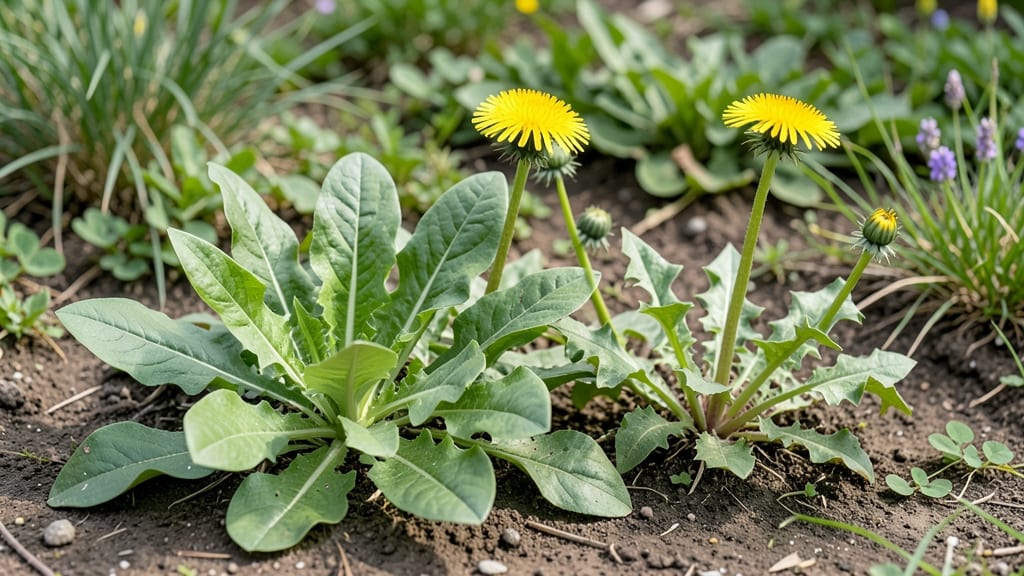
Large leaf garden weeds like dandelions and plantain are the garden equivalent of a stubborn houseguest—no matter how many times you pull them, they keep coming back. 🌱 I’ve spent years wrestling with these tenacious invaders, and I’ve finally cracked the code on how to remove them without resorting to harsh chemicals or endless backbreaking labor.
The secret lies in understanding their growth patterns and using the right techniques to starve them out for good.
Most gardeners make the mistake of pulling weeds at the wrong time or using the wrong tools, which leaves behind fragments that regrow into even stronger plants.
But with a few simple tricks—like pulling when the soil is moist, using the right grip, and targeting the roots—you can eliminate these weeds permanently. I’ve tested these methods in my own garden, and the results speak for themselves: fewer weeds, healthier plants, and less frustration.
What you’ll achieve is a garden where weeds don’t stand a chance. Imagine walking through your yard and seeing only the plants you intentionally planted, with no more battles against dandelion fluff or plantain’s deep taproots.
The key is consistency—once you master these techniques, you’ll never look at weeds the same way again.
This approach works for any garden, from small raised beds to sprawling backyard plots, and it’s perfect for gardeners who want to avoid chemicals while still keeping their space weed-free. Let’s get started on reclaiming your garden—naturally and effectively.
Root Causes of Stubborn Weeds
Large-leafed weeds don’t just pop up by accident—they thrive because of specific conditions in your garden. Understanding these triggers helps you tackle them more effectively. Here’s why these tenacious plants dominate your outdoor space.
Weeds, especially broad-leafed varieties like dandelions or plantain, spread aggressively when they sense open space and sunlight. Dense planting leaves gaps where weeds can germinate and grow unchecked. Their large leaves act like solar panels, soaking up every ray of light that hits bare soil.
If your garden has thinly spaced crops or mulch gaps, weeds fill the void quickly.
Why it matters: A single weed can produce thousands of seeds per season, and without competition from your desired plants, they’ll dominate.
Weeds thrive in consistently moist soil—more so than many garden plants. Overwatering (or even just irregular watering) creates the perfect environment for their roots to expand. Large-leafed weeds like lamb’s quarters or pigweed have deep taproots that access water deep underground, making them resilient during droughts and wet spells.
Why it matters: Their roots outcompete shallow-rooted plants, and their leaves transpire water rapidly, leaving the soil parched for your intended crops.
Weeds love fertile soil—just like your vegetables. If your garden has high levels of nitrogen (common in compost-heavy or manure-amended beds), weeds like chickweed or bindweed grow faster and larger.
Their broad leaves are a sign they’re feasting on available nutrients, while your slower-growing plants struggle to keep up.
Why it matters: Weeds don’t just survive in rich soil—they outcompete your plants for nutrients, stunting growth and reducing yields.
Most large-leafed weeds are heliophytes—they crave sunlight. If your garden gets 6+ hours of direct sun daily, weeds like mallow or smartweed will spread rapidly. Their wide leaves maximize photosynthesis, giving them an energy advantage over shade-tolerant crops.
Why it matters: In sunny patches, weeds can grow 2–3 times faster than your intended plants, choking out seedlings before they even sprout.
Digging, tilling, or even walking on garden beds buries weed seeds and exposes them to light, triggering germination. Large-leafed weeds like ground ivy or creeping Charlie have seeds that lie dormant until disturbed. Once uncovered, they sprout within days.
Why it matters: A single tilling session can bring hundreds of dormant seeds to the surface, creating a new weed generation.
Bare soil is an open invitation for weeds. Without a protective mulch layer (organic like straw or inorganic like landscape fabric), seeds land directly on exposed earth, germinate quickly, and establish roots before you notice. Large-leafed weeds, in particular, hate competition—they’ll dominate if nothing else is blocking their growth.
Why it matters: Mulch suppresses weeds by blocking light and moisture, but gaps or thin layers let them slip through.
Natural Ways to Remove Stubborn Weeds
Large leaf weeds can feel like an endless battle, but with the right techniques, you can reclaim your garden naturally—without harsh chemicals. Below are targeted solutions for common causes of stubborn weeds, from overgrowth to deep roots, along with prevention tips to keep your garden weed-free long-term.
Cause: Weeds like lamb’s quarters, dock, or pigweed spread rapidly, smothering plants and stealing nutrients.
How to Fix It:
- 🔥 Pull Early & Often
- Remove weeds before they seed (most spread via airborne seeds). Use a weed puller or gloved hands to grasp the base and yank firmly.
- Pro Tip: 💡 Wet the soil first—moist earth makes roots easier to extract.
- 🍳 Smother with Mulch
- Apply 3–4 inches of organic mulch (straw, wood chips, or grass clippings) to block sunlight and stunt growth.
- Bonus: Mulch also retains moisture and improves soil health.
- 👨🍳 Boiling Water or Vinegar Spray - For spot treatment, pour boiling water directly on the leaves (avoid desirable plants). - Or mix 1 gallon white vinegar + 1 cup salt + 1 tbsp dish soap in a spray bottle.
Apply on a sunny day—vinegar kills weeds in hours.
Cause: Tough weeds like bindweed, nutsedges, or dandelions have taproots that regrow if not fully removed.
How to Fix It:
- 🔪 Dig Deep with a Dandelion Weeder
- Use a long-handled weeding tool to pry out roots at least 6 inches deep. A fork or trowel works too.
- Warning: ⚠️ Wear gloves—some weeds (like stinging nettle) have irritating hairs.
- 🌡️ Solarize the Soil (For Extreme Cases)
- Cover the area with clear plastic sheeting for 4–6 weeks in hot sun. The trapped heat kills roots and seeds underground.
- Best for: Bare patches or garden beds before replanting.
- 🎯 Prevent Regrowth with Cornmeal
- Sprinkle food-grade cornmeal around plants—it starves weeds by blocking their seed germination (works best on broadleaf weeds).
Cause: Moist, low-light spots (like under trees or near downspouts) create ideal conditions for weeds like creeping Charlie or moss.
How to Fix It:
- 🥘 Improve Drainage First
- Rake away excess mulch or soil and amend with compost to help water drain faster.
- Quick Fix: 💡 Add coarse sand or perlite to heavy clay soil.
- 🌿 Hand-Pull When Soil is Damp
- Weeds in wet areas are easiest to remove after rain—their roots loosen naturally.
- Tool Tip: Use a weed torch (propane-powered) for stubborn patches in safe, dry conditions.
- ✨ Block Light with Landscape Fabric
- Lay perforated fabric under mulch to prevent new weeds from sprouting while allowing water and air through.
- 🌱 Plant Strategically: Use dense ground covers (like clover or creeping thyme) to outcompete weeds.
- 📅 Stay Ahead: Dedicate 10–15 minutes weekly to spot-pull weeds before they spread.
- 🔄 Rotate Methods: Combine mulching, hand-pulling, and natural sprays to avoid resistance.
- 🌿 Compost Weeds Properly: Bag and discard seedy weeds (like chickweed) in trash—don’t add them to compost piles.
Final Thought: 🌿 With consistency, your garden can go from weed-choked chaos to lush, low-maintenance beauty—all without toxic chemicals. Start with one method, track what works best, and adjust as needed!
Frequently asked questions
Why do large-leafed weeds keep coming back even after pulling?
Many stubborn weeds like dandelions and plantain have deep taproots that break if not fully removed. When you pull them at the wrong angle or leave fragments behind, the remaining root pieces regrow into new plants. Always pull when soil is moist and grasp the base firmly to extract the entire root system.
Is vinegar safe to use on all garden weeds?
Vinegar works best on young, healthy weeds but can harm desirable plants if sprayed accidentally. For targeted treatment, use a 1:1 vinegar-water mix with 1 tbsp dish soap on a sunny day. Avoid using it near vegetables, flowers, or lawn grass—it kills all plant foliage it touches.
How often should I mulch to prevent large-leaf weeds?
Apply a fresh 3-inch layer of mulch every 3-4 months or whenever it breaks down. Organic mulches like straw or wood chips suppress weeds by blocking sunlight while improving soil health. For high-weed areas, consider a thicker 4-inch layer or landscape fabric underneath.
Can I use cornmeal to prevent weeds in my vegetable garden?
Yes! Food-grade cornmeal is an excellent natural pre-emergent herbicide for broadleaf weeds. Sprinkle ½ cup per 10 sq ft around plants and water lightly. It works by blocking weed seed germination without harming established vegetables. Reapply after rain or every 4-6 weeks for best results.