
Pruning
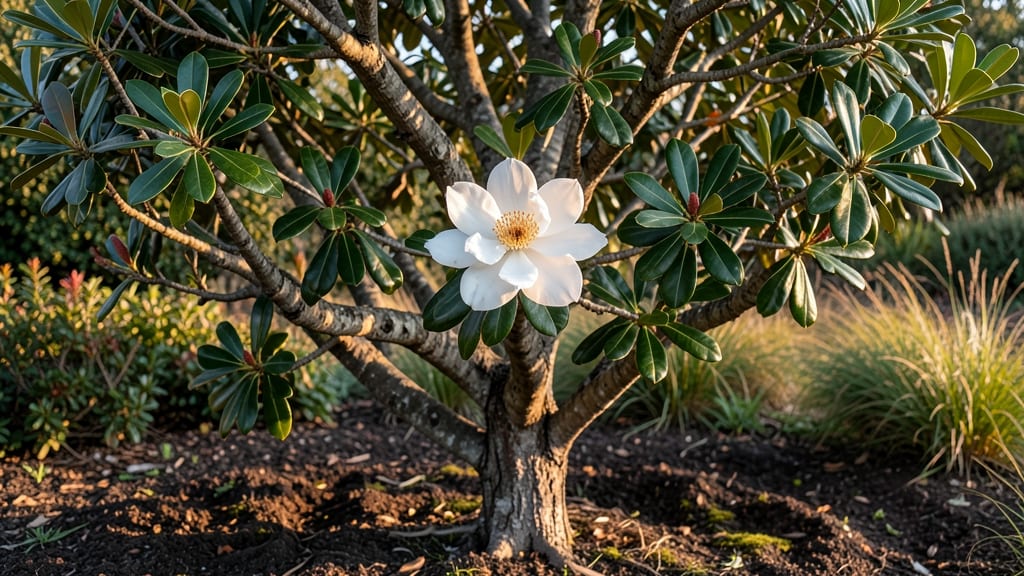
Pruning your large leaf magnolia tree transforms it from a wild specimen into a showstopper with year-round interest—and I’ve learned the hard way which cuts to make (and which to avoid).
This slow-growing giant rewards patience with 12-inch leaves and fragrant blooms, but its pruning needs are different from most trees. The key? Timing, sharp tools, and knowing where to stop before you trigger shock.
Most gardeners over-prune magnolias, thinking more cuts mean more blooms—but this tree blooms on old wood, so aggressive pruning can rob you of flowers for years. Instead, focus on light shaping in late winter or early spring, removing only dead, crossing, or weak branches.
I once saw a perfectly healthy magnolia stripped bare after a "cleanup" pruning—don’t let that be you.
What you’ll end up with is a tree that stays compact yet majestic, with glossy leaves that turn golden in fall and fragrant white blooms appearing in late spring.
The secret? Prune just enough to maintain its natural shape while encouraging new growth from the right spots. It’s not about perfection—it’s about balance.
Works for USDA zones 5-9, though southern growers can prune lightly after summer blooms. Here’s how to do it without mistakes—plus what to watch for when pests or disease show up.
📚 In This Guide
- What you need
- Instructions
- Tips and common mistakes
- Wrapping up and next steps
What you need
- ● Pruning shears: Bypass pruners with sharp, sterilized blades (for cuts up to ½-inch thick). Example: Felco F-2 or Corona 4-in-1.
- ● Loppers: Bypass or anvil loppers for branches ¾-inch to 2-inches thick. Example: Fiskars X27 or Bahco Forester.
- ● Pruning saw: A curved-tooth pruning saw for branches 2-inches or thicker. Example: Fiskars X7 or Corona CS9100.
- ● Ladder: A sturdy, extension ladder (at least 12–16 feet tall) with non-slip feet and a weight capacity of 300+ lbs. Pro tip: 💡 Use a ladder stabilizer for extra safety!
- ● Disposable gloves: Heavy-duty, nitrile-coated gloves (size medium/large) to protect hands from thorns and sap.
- ○ Pruning sealant: Tree wound pruning paste (e.g., Tanglefoot Tree Wound Pruning Sealant) for large cuts (optional but recommended for magnolias).
- ● Clean rags or paper towels: For wiping down tools and cleaning sap.
- ● Disinfectant: 70% isopropyl alcohol or a bleach solution (1 part bleach to 9 parts water) to sterilize tools between cuts.
- ● Heavy-duty trash bags: For collecting and disposing of pruned branches.
- ● Pole saw: For high branches that are too thick for loppers (e.g., Silky 40-inch Pole Saw).
- ● Harness system: If pruning very tall trees (20+ feet), a tree climber’s harness and rope system for safety.
- ● Work boots: With ankle support and non-slip soles for stability on uneven ground.
- ● Safety glasses: To protect eyes from debris.
- ● Hose or bucket of water: For rinsing tools and cooling down on hot days.
- ● Camera or phone: To document the tree’s structure before/after pruning.
Step-by-Step guide for pruning a large leaf magnolia tree
Pruning this majestic tree properly ensures vibrant blooms and long-term health without stressing the plant.
Assess the Tree and Identify Pruning Goals
Examine the magnolia for dead, diseased, or crossing branches first—these take priority. Look for branches with no leaves, brown stems, or signs of fungal growth (like black spots or powdery residue). Healthy branches will have smooth bark and vibrant green leaves. Mark these branches with a small piece of colored tape for easy identification during pruning.
Next, consider your objectives: Are you pruning to encourage more blooms, improve air circulation, or shape the tree? Large leaf magnolias bloom on old wood, so avoid heavy pruning during flowering season. If shaping is needed, focus on removing branches that grow inward or rub against others. This prevents future damage and improves light penetration to the center of the tree.
Gather Tools and Prepare for Pruning
Use sharp, clean pruning tools to make precise cuts and minimize damage. A pair of bypass pruners works for small branches (up to ½ inch thick), while a pruning saw is needed for thicker branches. Sterilize your tools with rubbing alcohol before and after pruning to prevent spreading disease.
Wear long sleeves and gloves to protect against thorns and sap. Work on a dry day—wet branches are slippery, and magnolia sap can be sticky. Lay down a tarp or drop cloth beneath the tree to catch debris and make cleanup easier. This also protects surrounding plants and lawn from falling leaves and branches.
Remove Dead, Diseased, or Damaged Branches
Start by cutting out any dead, diseased, or damaged branches first. Make your cuts just outside the branch collar—the swollen area where the branch meets the trunk or another branch. Avoid leaving stubs, as they can invite decay. For larger branches, use the three-cut method: Undercut the branch from the bottom, make a top cut slightly above the undercut, and finally, remove the remaining wood.
If you encounter a branch with signs of disease (like cankers or oozing sap), dispose of it immediately in a sealed bag. Do not compost diseased branches, as pathogens can survive and spread. After removing these branches, step back and assess the tree’s structure. You’ll notice improved airflow and sunlight reaching the center, which encourages healthier growth.
Thin Out Crowded or Crossing Branches
Focus on removing branches that cross or rub against each other, as these create wounds that can lead to infection. When thinning, aim to open up the canopy by removing branches that grow inward. This allows light to reach the inner branches, promoting even growth and more blooms. Never remove more than 25% of the tree’s foliage in one season—large leaf magnolias are sensitive to heavy pruning.
Pay attention to the tree’s natural shape. Large leaf magnolias have a distinctive, rounded form. Avoid over-pruning to maintain this silhouette. If you’re unsure about a cut, wait until the next season or consult a local arborist. Pruning too aggressively can stress the tree and reduce flowering in the following year.
Shape and Maintain the Tree’s Form
Once you’ve addressed dead, diseased, and crossing branches, you can focus on shaping the tree. Use your pruners to trim back any branches that disrupt the natural form or grow in an undesirable direction. Make cuts just above a leaf bud or lateral branch to encourage new growth in the right direction. Avoid cutting back to a stub—this can lead to weak regrowth.
After pruning, step back and evaluate the tree’s balance. A well-pruned magnolia should have an open center and a symmetrical shape. Water the tree deeply after pruning to help it recover. Mulch around the base with 2-3 inches of organic mulch, keeping it a few inches away from the trunk to prevent rot. This helps retain moisture and protects the roots during the healing process.
Tips & tricks for pruning your large leaf magnolia
Pruning a large leaf magnolia might seem intimidating, but these key insights will help you maintain its health and beauty without causing stress to the tree.
Branch Identification: In Step 1, when assessing your tree, look for the subtle signs of healthy growth—vibrant green leaves and smooth bark are your best indicators. I've learned the hard way that branches with powdery residue or black spots often signal fungal infections that need immediate removal. Use a small piece of colored tape to mark these branches before making any cuts, which helps you stay organized and ensures you don't miss any problem areas during pruning.
Precision Cutting Technique: The three-cut method in Step 3 is absolutely critical for larger branches. I can't emphasize enough how important it is to make your undercut slightly away from the branch collar—this prevents tearing the bark and creates a clean wound that heals properly. When making your final cut, leave a small stub (about ¼ inch) to avoid damaging the branch collar completely, which is where new growth emerges.
Seasonal Timing: Large leaf magnolias bloom on old wood, so timing is everything. If you're pruning to encourage more blooms, focus on removing only dead, diseased, or crossing branches during the dormant season (late winter or early spring). Avoid heavy pruning during the flowering season—this can reduce next year's bloom production. I've seen magnolias completely skip flowering after aggressive summer pruning, so plan your cuts carefully.
Post-Pruning Care: After you've finished shaping in Step 5, don't forget the recovery phase. Watering deeply and applying 2-3 inches of organic mulch (kept a few inches away from the trunk) creates the perfect environment for root recovery. I've noticed that trees pruned in dry conditions often show signs of stress, so always water thoroughly after pruning—this helps the tree focus its energy on healing rather than surviving drought.
Pro Tips for Large Leaf Magnolia Tree
- Pruning a large leaf magnolia might seem intimidating, but these key insights will help you maintain its health and beauty without causing stress to the tree.
- Branch Identification: In Step 1, when assessing your tree, look for the subtle signs of healthy growth—vibrant green leaves and smooth bark are your best indicators.
- Precision Cutting Technique: The three-cut method in Step 3 is absolutely critical for larger branches.
Frequently asked questions
Got questions about keeping your large leaf magnolia tree thriving? You’re not alone! Here are answers to the most common queries—from pruning timing to troubleshooting—so you can enjoy those stunning blooms year after year.
When is the best time to prune a large leaf magnolia?
The ideal window is right after flowering (late spring to early summer) or in late winter/early spring before buds swell. Avoid pruning in fall—it can stimulate tender new growth that may frost damage. If you must prune for safety (e.g., dead branches), do it anytime, but prioritize the spring/early summer for blooms!
Why aren’t my large leaf magnolia blooms opening?
Several factors could be at play:
- Over-pruning: These trees bloom on old wood, so heavy cuts reduce flowers. Limit pruning to shaping or removing dead wood.
- Poor light: They need full sun (6+ hours/day). Shady spots = fewer blooms.
- Stress: Drought, transplant shock, or root damage can delay blooms. Mulch well and water deeply during dry spells.
Can I prune a large leaf magnolia in winter?
While light pruning (removing dead/diseased branches) is fine in winter, avoid heavy cuts. Winter pruning can stimulate early growth, which may get damaged by late frosts. If you must prune in winter, do it after the worst cold snaps (check your hardiness zone). For best results, wait for spring!
What’s the best way to prune for more blooms?
Large leaf magnolias bloom on mature wood, so focus on
- Minimal cuts: Remove only dead, crossing, or weak branches—never more than 20-30% of the canopy at once.
- Avoid "topping": Cutting back main branches drastically reduces future blooms.
- Shape naturally: Open the center to improve airflow (reduces disease) and let sunlight reach inner buds.
How do I fix a large leaf magnolia with too many suckers?
Suckers (shoots from the base) drain energy from blooms. To manage them:
- Pull or cut them at the base with clean pruners or a spade.
- Avoid mulch piles against the trunk—this encourages more suckers.
- Apply mulch 3–4 inches deep but keep it away from the trunk (6+ inches out).
Wrapping up and next steps
The large leaf magnolia tree is a stunning addition to any landscape, and with the right pruning techniques, you can ensure it thrives year-round! 🌿 By following seasonal best practices—like pruning in late winter or early spring and avoiding over-trimming—you’ll encourage vibrant blooms and robust growth.
Remember, patience and consistency are key.
Ready to give your magnolia the care it deserves? Grab your tools and start pruning today! Your tree will thank you with breathtaking flowers and lush foliage for seasons to come. 🌸