
Plants
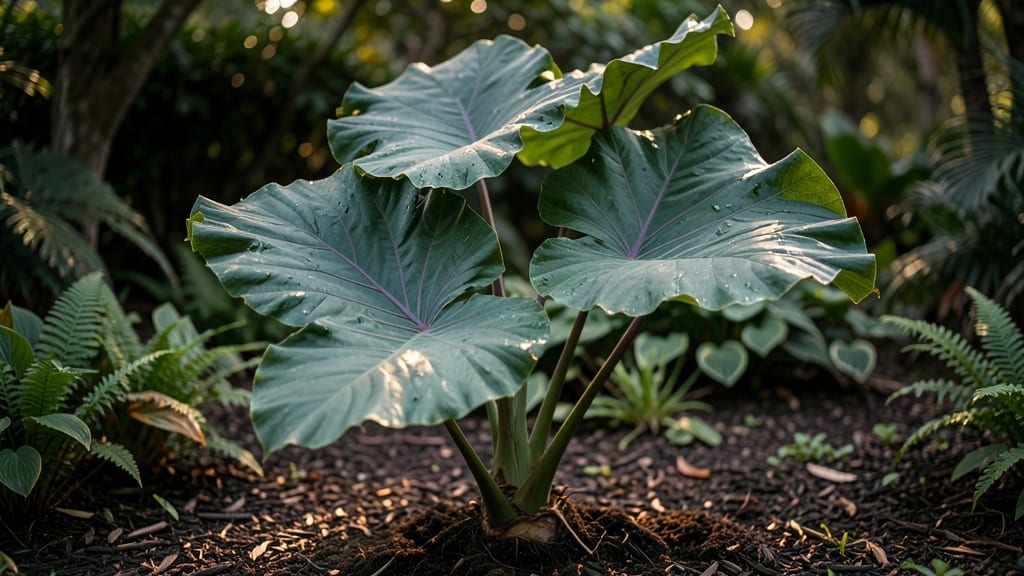
Those large round leaf plants transform any dim corner into a jungle retreat. 🌿 I’ve grown Monstera, Alocasia, and Philodendron for years, and they’re the secret weapon for shade gardens where most plants struggle. The key isn’t complicated—just mimic their natural habitat with the right light, soil, and humidity.
These plants thrive in low to bright indirect light, but they despise harsh afternoon sun. A simple mix of potting soil and perlite keeps roots happy, and misting leaves (or a pebble tray) prevents crispy edges.
Even my black thumb can’t kill these once I stopped overwatering—honestly, that’s the biggest mistake beginners make.
By summer’s end, you’ll have lush foliage that makes your space feel like a tropical escape. The best part? They grow fast, so you’ll see progress within months. Pair them with ferns or ivy for a layered, jungle-like effect indoors or in shady garden corners.
Outdoor varieties like Alocasia polly can handle partial shade, while indoor types like Monstera deliciosa adapt to any room. Just remember: the bigger the leaves, the more water they drink—but never let them sit in soggy soil.
Why leaves stay small
If your large round leaf plant (like a Monstera deliciosa, Philodendron gloriosum, or Alocasia) is struggling to produce its signature bold, broad foliage, the issue often lies in environmental or care-related factors.
Understanding these causes helps you adjust conditions to unlock that lush, dramatic growth. Let’s break down the science—and what you can do about it.
Large round leaf plants are light-hungry—even if they tolerate shade, they need bright, indirect light to trigger the genetic potential for big leaves. Here’s why dim conditions stunt growth:
- Photosynthesis slowdown: Chlorophyll production drops in low light, limiting energy for leaf expansion. Without enough light, the plant prioritizes survival over growth, resulting in smaller, thinner leaves.
- Chloroplast reduction: Studies show plants in low light develop fewer chloroplasts (the energy factories in leaves), reducing their ability to produce glucose and grow large.
- Ethylene buildup: Poor air circulation in shady spots can cause ethylene gas to accumulate, a plant hormone that triggers stress responses—including stunted leaf development.
Actionable fix: Move your plant to a spot with 6–8 hours of bright, filtered light daily (e.g., near an east- or north-facing window). If natural light is lacking, supplement with a grow light 12–16 inches away for 10–12 hours/day. Pro tip: 💡 Rotate the plant weekly to ensure even light exposure—uneven growth is a red flag!
Waterlogged soil is a silent killer of large-leafed plants. Here’s how excess moisture sabotages growth:
- Root suffocation: Compacted, soggy soil cuts off oxygen to roots, triggering anaerobic respiration. This process produces toxic ethanol, which stunts root and leaf development.
- Nutrient lockout: Waterlogged conditions leach essential nutrients (like nitrogen and potassium) from the soil, leaving the plant malnourished. Without these, cells can’t expand properly.
- Fungal infections: Excess moisture invites Pythium and Phytophthora, fungi that attack roots and block nutrient uptake, further limiting leaf size.
Actionable fix:
- ✅ Test soil moisture: Stick your finger 2 inches into the soil—water only when it’s dry to the touch.
- ✅ Upgrade your pot: Use a container with drainage holes and a well-draining mix (e.g., 60% potting soil, 30% perlite, 10% orchid bark).
- ✅ Avoid saucers: If using one, empty it after watering to prevent root rot.
Large round leaf plants thrive in warm, humid conditions. Deviations from their ideal environment trigger stress responses that limit leaf growth:
| Issue | Why It Happens | Impact on Leaves |
|---|---|---|
| Low humidity (<40%) | Plants lose water faster through transpiration, causing leaf edges to curl and growth to slow. | Smaller, crispy-edged leaves; slowed cell division. |
| Cold drafts (<60°F) | Chlorophyll production halts below 60°F, and cold stress triggers abscisic acid, a hormone that conserves energy by stunting growth. | Thin, pale leaves; delayed maturity. |
| Fluctuating temps | Rapid temperature swings disrupt enzyme activity in leaves, slowing metabolic processes. | Irregular leaf shapes; reduced size. |
Actionable fix:
- 🌡️ Keep temps between 65–85°F (avoid AC vents or cold windows).
- 💦 Boost humidity with a pebble tray or humidifier (aim for 60–70%).
- 🌿 Group plants together to create a microclimate with higher humidity.
Large leaves require high nitrogen (N) and potassium (K) to fuel rapid growth. Deficiencies or imbalances directly limit leaf expansion:
- Low nitrogen (N): Critical for cell division and leaf protein synthesis. Without it, leaves stay small and pale.
- Low potassium (K): Regulates water and nutrient movement in plants. A deficiency weakens cell walls, leading to weak, underdeveloped leaves.
- Too much phosphorus (P): While P aids root growth, an excess can lock out other nutrients, causing stunted foliage.
Actionable fix:
- 📊 Test your soil: Use a DIY soil test kit or send a sample to a lab for analysis.
- 🌱 Fertilize smartly: Use a balanced liquid fertilizer (10-10-10 or 20-20-20) during growing season (spring–summer). Dilute to half-strength to avoid burning roots.
- 🍄 Add organic matter: Mix in compost or worm castings (rich in nitrogen) every 2–3 months.
Remember: Large round leaf plants are opportunistic growers—they’ll only reach their full potential when their basic needs (light, water, nutrients, and climate) are met. Address one issue at a time, and you’ll see those dramatic leaves bursting with size in no time! 🌿✨
Quick Fixes for Leaf Troubles
When your bold, round-leafed plant starts showing signs of stress, acting fast can save its striking beauty. Below are targeted solutions for common issues—from yellowing leaves to stunted growth—along with easy prevention tips to keep your shade-loving plant thriving.
H3: 💧 Check the Soil First Yellowing leaves with brown edges often signal overwatering, while crispy, dry edges point to underwatering. Stick your finger 1-2 inches into the soil—if it’s soggy, the roots are drowning; if bone-dry, it’s time to hydrate.
Fix:
- For soggy soil: Let the top 2 inches dry out between waterings. Repot if drainage is poor (add perlite or orchid bark to improve airflow).
- For dry soil: Water deeply until it drains from the bottom, then let excess water escape. Mulch with shredded bark to retain moisture.
Prevention Tip: 💡 Use a moisture meter or test the "squeeze method"—if soil clumps when pressed, hold off on watering.
H3: 🔍 Inspect Roots and Leaves Wilting can stem from root rot (overwatering) or pests (like spider mites). Gently remove the plant from its pot and check:
- Mushy, black roots? Root rot is the culprit.
- Sticky residue or tiny webs? Pests are likely.
Fix:
- Root rot: Trim affected roots with sterilized scissors, repot in fresh, well-draining soil, and reduce watering.
- Pests: Wipe leaves with neem oil solution (1 tsp oil + 1 quart water) or rinse with soapy water. Quarantine the plant until pests are gone.
Prevention Tip: ✨ Avoid overcrowding pots—roots need space to breathe!
H3: ☀️ Assess Light and Fertilizer Pale or stunted leaves often mean your plant isn’t getting enough indirect light or nutrients. Large round-leafed plants (like Alocasia or Philodendron) crave bright, filtered shade—not deep darkness.
Fix:
- Move the plant closer to a north- or east-facing window (or under a sheer curtain).
- Fertilize lightly in spring/summer with a balanced liquid fertilizer (diluted to half strength). Skip fertilizing in winter.
Prevention Tip: 📊 Rotate the pot occasionally so all leaves get even light exposure.
H3: 🧼 Clean and Improve Airflow Powdery mildew thrives in humid, stagnant air. Wipe leaves with a mild soap solution (1 tbsp dish soap + 1 quart water), then boost airflow.
Fix:
- Spray leaves with a baking soda mix (1 tsp baking soda + 1 quart water + a drop of soap) weekly until cleared.
- Increase airflow by spacing plants apart or using a small fan on low.
Prevention Tip: 🌡️ Avoid overhead watering—water at the base instead.
H3: ⏹️ Check Roots and Temperature If your plant grows slowly despite good care, it might be root-bound or suffering from cold drafts.
Fix:
- Repot if roots circle the container. Choose a pot 1-2 inches larger with drainage holes.
- Move to a warmer spot (ideal temps: 65–80°F). Avoid cold windowsills or AC vents.
Prevention Tip: 🎯 Use a heat mat in winter if your home runs chilly.
H3: 🍄 Set Traps and Barriers Slugs and caterpillars love munching on tender leaves. Beer traps or copper tape around pots can deter them.
Fix:
- Handpick pests at dawn (they’re sluggish then).
- Spray with diatomaceous earth (food-grade) or Bt (Bacillus thuringiensis) for caterpillars.
Prevention Tip: 🌙 Keep garden beds mulched but avoid thick layers—slugs hide underneath!
Final Pro Tip: 🔥 Observe daily! Catching issues early (like wilting or spots) means quicker fixes. Keep a plant journal to track watering, light, and growth patterns—it’s a game-changer for shade gardeners.
Need more targeted help? Drop a comment below with your plant’s symptoms—we’re happy to diagnose!
Frequently asked questions
Which large round leaf plants thrive indoors with minimal sunlight?
For low-light conditions, try Philodendron hederaceum (heartleaf) or ZZ plants (Zamioculcas zamiifolia). Both tolerate 3-4 hours of indirect light daily and grow large, glossy leaves. Even Monstera deliciosa can adapt to dim corners if you rotate it weekly for even growth.
How often should I fertilize my large leaf plant?
Feed during spring and summer every 4-6 weeks with a balanced liquid fertilizer (10-10-10). Dilute to half-strength to avoid burning roots. Skip fertilizing in winter when growth slows. Overfeeding causes salt buildup, which browns leaf edges.
Why are my large leaves developing brown spots?
Brown spots usually mean overwatering or fluoride buildup from tap water. Let the top 2 inches of soil dry between waterings, and use filtered or distilled water. If spots persist, check for fungal issues—wipe leaves with a 1% hydrogen peroxide solution (1 part peroxide to 9 parts water).
Can I grow large round leaf plants outdoors in my climate?
Yes, but choose cold-hardy varieties like Alocasia polly (zonal plant) or Elephant ear (Colocasia) for USDA zones 8-11. In cooler zones, grow them as annuals or overwinter indoors. Always plant in partial shade—direct sun scorches delicate leaves.
How do I propagate my large leaf plant?
For Monstera or Philodendron, take a 6-inch stem cutting with at least one node. Dip in rooting hormone (optional), then place in moist perlite or water. Keep in bright, indirect light and maintain 70°F+ temps. Roots form in 2-4 weeks. For Alocasia, divide tubers in spring.