
Pests and Diseases
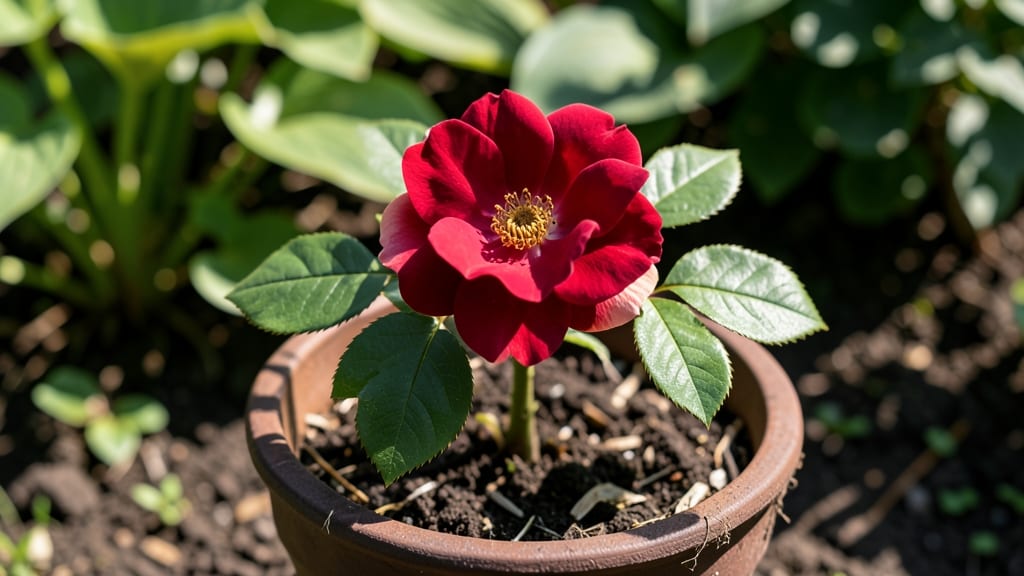
Your garden can burst with color all season—no deadheading required. 🌿 The secret lies in plants that deliver bold leaf and petals together, like hostas with chartreuse leaves or roses with layered petals.
These plants create visual drama without the fuss of constant pruning, letting you enjoy the show while nature does the work.
Think of it as a layered palette: deep purple leaves under soft pink roses, or silvery-blue foliage paired with creamy white blooms. The contrast makes every season feel fresh, and the textures—velvety petals against waxy leaves—add depth that flat plantings miss. You’ll spend less time maintaining and more time admiring.
This approach works for any garden style, from cottage charm to modern minimalism. A single hosta can anchor a shady corner, while a drift of heirloom roses adds romance to a sunny border.
The key is mixing plants that complement each other naturally, so the colors and shapes play off one another effortlessly.
No deadheading means no chores, just continuous blooms from spring to frost. Whether you’re filling a flowerbed or dressing up a patio, these plants deliver year-round interest with almost no effort. Let’s make your garden the envy of the neighborhood—without the upkeep.
📚 In This Guide
- What you need
- Instructions
- Tips and common mistakes
- Wrapping up and next steps
What you need
- ● Plants: 3–5 Perovskia 'Little Spire' (Russian sage) – drought-tolerant, aromatic foliage
- ● 4 Nepeta 'Walker’s Low' (catmint) – long-blooming, deer-resistant
- ● 2 Lavandula 'Munstead' (lavender) – fragrant, self-cleaning stems
- ● 1 Echinacea 'White Swan' (coneflower) – disease-resistant, pollinator magnet
- ● Soil: 50 lbs well-draining potting mix (or amend garden soil with 20% perlite/sand)
- ● 1 lb slow-release organic fertilizer (10-10-10 ratio)
- ● Tools: 1 pruning shears (bypass, sharp)
- ● 1 hand trowel (for transplanting)
- ● 1 watering can (1–2 gallon capacity)
- ● Mulch (2–3 inches of pine bark or gravel to retain moisture)
- ● Decorative rocks or garden flags to label plants
- ● Compost tea (for a nutrient boost in early spring)
- ● Pest deterrents: neem oil or diatomaceous earth (preventative only)
How to create a low-maintenance flower bed with season-long blooms
Skip the constant deadheading and enjoy vibrant color all season with these easy-care plants.
🌱 Step 1: Choose the Right Perennial Combination
Select plants that naturally self-clean by dropping spent blooms rather than needing frequent pruning. My go-to mix includes black-eyed Susan (which reseeds generously), coneflower (drought-tolerant and long-blooming), and Russian sage (airy stems that never flop). These three alone give me color from early summer through fall with minimal effort.
For foliage contrast, add heuchera or coral bells—their colorful leaves stay attractive even when flowers fade. I space them 12-18 inches apart to allow airflow and prevent disease. The key is mixing heights: taller plants like Russian sage go in the back, mid-height coneflowers in the middle, and low-growing black-eyed Susans up front.
☀️ Step 2: Prepare the Planting Site for Long-Term Success
Test your soil's drainage—these plants hate soggy roots. Amend heavy clay with 2-3 inches of compost and a handful of sand or perlite per square foot to improve texture. I dig a hole twice as wide as the root ball but only as deep—planting too deep suffocates roots and causes rot.
For 4 hours of direct sun daily, you'll get the most blooms. Mark the planting area with stakes to visualize spacing before digging. Here's the thing—don't rush planting. Let the roots sit in their containers for 10 minutes after watering so they're hydrated but not drowning when you transplant. You'll see the difference in how quickly they establish.
💧 Step 3: Plant and Water for Immediate Establishment
Remove plants from their containers and gently tease apart any circling roots. Place each in its hole, then backfill with native soil mixed with 1 cup of compost per plant. Water immediately after planting to settle the soil around roots—you'll know it's right when the surface looks slightly firm but not packed.
Give each plant 1 gallon of water weekly during the first month, then taper to ½ gallon every 10-14 days once established. The goal is deep watering that encourages strong root growth, not frequent shallow drinks. You'll notice the soil 1 inch below the surface stays moist between waterings—that's your signal everything's working.
✂️ Step 4: Maintain With Minimal Pruning
Skip the deadheading entirely. Instead, cut back the entire plant by ⅓ in early spring before new growth starts. This removes last year's spent stems and makes room for fresh foliage. For black-eyed Susans, I snip back 6-8 inches from the ground—it looks dramatic at first, but by midsummer, they're covered in blooms again.
In late fall, cut back all plants to 4-6 inches tall to prevent flopping in winter winds. The only exception is Russian sage, which I leave standing for winter interest. You'll see new growth emerge from the base in 2-3 weeks, proving the plants are perfectly happy with this approach.
🌿 Step 5: Mulch and Fertilize for Year-Round Health
Spread 2 inches of shredded bark mulch around each plant, keeping it 2 inches away from stems to prevent rot. This conserves moisture, regulates soil temperature, and slowly feeds the plants as it breaks down. I reapply mulch in late winter to protect roots from temperature swings.
Fertilize just once in early spring with ½ cup of 10-10-10 granular fertilizer per plant. Water it in immediately to prevent burning roots. The rest of the season, let the plants focus on blooming rather than leafy growth. You'll notice the flowers stay vibrant longer because the plants aren't competing with excessive foliage.
Tips & tricks for perfect season-long flower beds
These simple strategies will help your garden thrive with less effort and more color.
Sunlight Strategy: While the instructions call for 4 hours of direct sun daily, I've found that these perennials actually reward you with even more blooms if you can provide 6 hours—especially in cooler climates. The key is morning sun (when it's less intense) plus afternoon shade if your area gets scorching afternoons. Russian sage handles heat better than the others, so place it where it gets the most sun.
Root Care: The 10-minute root soaking before transplanting is non-negotiable—it makes all the difference in how quickly plants establish. Pro tip: Add a handful of mycorrhizal fungi to the planting hole to boost root growth. These beneficial fungi form partnerships with plant roots, helping them absorb water and nutrients more efficiently. It's like giving your plants a natural growth hack!
Watering Wisdom: The instructions mention 1 gallon weekly for the first month, but I've learned to check soil moisture first. Stick your finger 1 inch below the surface—if it's dry, water deeply. If it's still moist, wait another day. Overwatering is the #1 killer of perennials, and these drought-tolerant plants can handle brief dry spells once established.
Pruning Timing: That early spring ⅓ cut-back is crucial, but don't wait until you see new growth—act in late winter when stems are still dormant. For black-eyed Susans specifically, I mark the 6-8 inch cut line with a white garden marker before winter so I remember where to cut back. This dramatic pruning might look harsh, but it prevents disease and encourages bushier growth.
Pro Tips for Leaf And Petals
- These simple strategies will help your garden thrive with less effort and more color.
- Sunlight Strategy: While the instructions call for 4 hours of direct sun daily, I've found that these perennials actually reward you with even more blooms if you can provide 6 hours—especially in cooler climates.
- Root Care: The 10-minute root soaking before transplanting is non-negotiable—it makes all the difference in how quickly plants establish.
Frequently asked questions
Got questions about keeping your leaf and petals vibrant all season long? You’re not alone! Here are some common queries—and the answers to help you grow with confidence.
Do leaf and petals plants need deadheading?
Not at all! These beauties are self-cleaning—they naturally shed spent blooms, so you won’t waste time snipping. Just enjoy the show!
How long do the colors last?
With proper care, leaf and petals plants can bloom continuously from spring until frost. Some varieties even surprise you with fall reblooms!
Can I grow these in containers?
Use pots with drainage holes and well-draining soil. Just ensure they get 6+ hours of sunlight daily for best results.
What pests should I watch for?
Common culprits include aphids and spider mites. Spray leaves with water or use neem oil if you spot tiny invaders.
How do I handle rain or humidity?
Leaf and petals plants thrive in moisture but avoid soggy soil. Ensure pots drain well, and prune crowded foliage to prevent mold.
Still curious? Drop your questions below—we’re happy to help!
Wrapping up and next steps
From vibrant leaf and petals to effortless care, these low-maintenance plants prove that stunning blooms don’t require constant deadheading! 🌿 Whether you’re battling pests, extending seasonal color, or simply craving a stress-free garden, these varieties offer resilience and beauty year-round. Ready to transform your space?
🌱 Your Next Step:
- Start small: Pick one plant from this list and test it in your garden or pots.
- Share the love: Snap photos of your thriving blooms and tag us—we’d love to see your leafy masterpieces!