
Pests
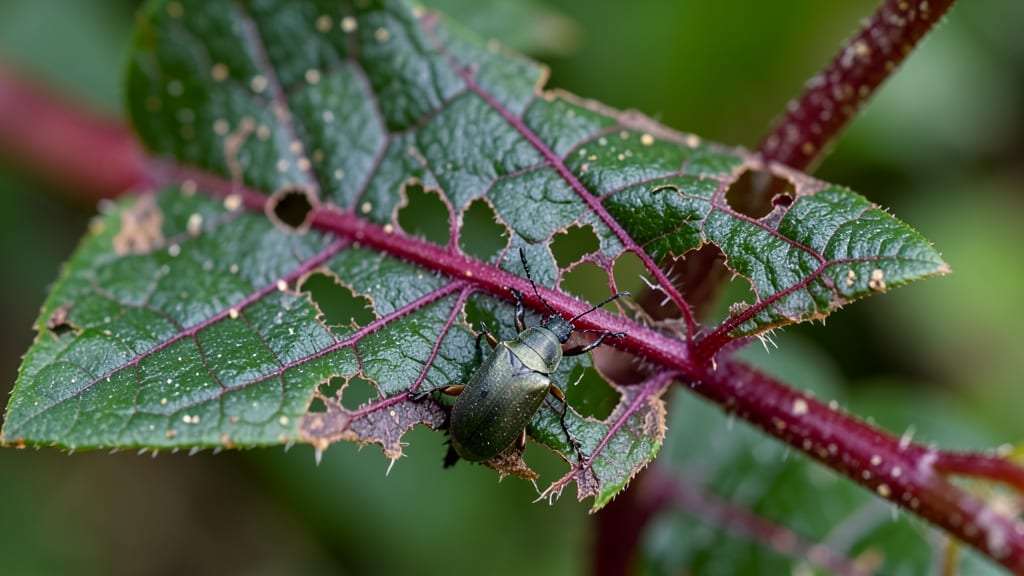
Those skeletonized leaves on your roses aren't just bad luck—they're leaf beetle damage, and the good news is you can stop it without harsh chemicals. 🌿 I've battled these striped invaders for years, and the organic methods I've perfected actually work better than sprays, plus they keep your garden ecosystem healthy.
The first step is identifying the culprits: adult beetles leave chewed leaf edges, while larvae create silky webbing and black frass. Roses, raspberries, and fruit trees are their favorites, but they'll attack almost any plant. The key is acting fast—once they're established, they multiply like crazy.
You'll see new growth filling in within a week of treatment, with fewer chewed leaves and more energy going to flowers and fruit. The best part? Your pollinators stay safe, and the beetles don't come back next season if you're consistent.
This works for any garden size, from small containers to full orchards. Let's tackle those beetles the right way—without harming what you're trying to grow.
📚 In This Guide
- What you need
- Instructions
- Tips and common mistakes
- Wrapping up and next steps
What you need
- ● Neem oil (100% pure, cold-pressed): 16 oz (473 mL) – repels beetles and disrupts their life cycle
- ● Insecticidal soap (potassium salts-based): 16 oz (473 mL) – safe for plants but deadly to soft-bodied pests
- ● Horticultural oil (dormant or summer grade): 16 oz (473 mL) – smothers beetles and eggs
- ● Spray bottle (16 oz with fine mist nozzle): 1–2 – for precise application
- ● Garden hose with adjustable nozzle: 1 – for rinsing plants post-treatment
- ● Gloves (nitrile or rubber): 1 pair – protects hands from oils and sap
- ● Pruning shears (sterilized): 1 pair – for removing heavily infested leaves
- ● Drop cloth or old towels: 1–2 – to protect surfaces during cleanup
- ● Diatomaceous earth (food-grade): 1 lb (454 g) – physical barrier for crawling beetles (reapply after rain)
- ● Beneficial nematodes (e.g., Steinernema carpocapsae): 1–2 million per application – targets beetle larvae in soil
- ● Row covers (floating fabric): 1–2 – physical barrier to block adult beetles (use during peak activity)
- ● Yellow sticky traps: 2–4 – monitor beetle activity and reduce populations
- ● Compost or mulch: 2–3 bags – improves soil health and supports natural predators
- ● Identify the beetle species (e.g., Chrysomela or Phratora) to tailor treatments.
- ● Check for rain forecasts—avoid applying oils before heavy rain (they wash off).
- ● Test sprays on a small plant section first to ensure compatibility.
How to identify and treat leaf beetle damage organically
Leaf beetles can turn your garden into a skeleton overnight—but these natural methods work fast and keep your plants thriving.
🌿 Step 1: Spot the Damage and Confirm the Pest
Leaf beetles leave behind chewed, jagged edges on leaves, often with tiny black or brown beetles crawling on the undersides. Check for yellowing foliage or holes in leaves first thing in the morning when beetles are sluggish. I always start by inspecting the bottom of leaves—that’s where they hide during the day.
Look for tiny black or brown beetles (1/4 inch long) or their yellow larvae clustered together. If you see both, you’ve got an infestation. The key is acting fast—once they’re gone, the damage stops within 24-48 hours of treatment.
💧 Step 2: Apply Neem Oil Spray for Immediate Relief
Mix 1 teaspoon of neem oil with 1 quart of water and a dash of mild soap (like castile) in a spray bottle. Shake well before each use—neem oil separates quickly. Spray the top and bottom of leaves thoroughly, focusing on where you saw the beetles. The soap helps the oil stick, and the neem disrupts their life cycle.
Spray in the early morning or late evening to avoid harming beneficial insects like ladybugs. Reapply every 3-5 days until you stop seeing new damage. I’ve seen beetles drop off within hours of the first treatment—it’s amazing how fast they react.
☀️ Step 3: Introduce Beneficial Insects for Long-Term Control
Ladybugs and lacewings are the best natural predators for leaf beetles. Buy them from a garden center—look for ladybug eggs or larvae in small containers. Release them in the early evening when temperatures are cooler, and they’re less stressed. Place them near the worst-infested plants and mist the area lightly to help them settle.
You’ll need about 5-10 ladybugs per plant for severe infestations. Avoid using pesticides after this—chemicals will kill the beneficial insects too. Check for ladybugs daily for the first week. If they disappear, order more—they’re worth every penny for keeping beetles away.
✂️ Step 4: Prune and Remove Severely Damaged Foliage
Cut off any leaves with more than 50% damage using clean, sharp scissors. Drop the clippings into a sealed bag—don’t compost them, or you’ll spread the beetles. Focus on the outer edges of the plant first, where beetles tend to cluster. Pruning also encourages new growth, which is less appealing to them.
After pruning, water the plant deeply to help it recover. The new leaves will be tender at first, so keep an eye out for fresh beetle activity. If you see them return, repeat the neem oil spray. Healthy plants bounce back faster—don’t skip this step, even if the damage looks bad.
🪴 Step 5: Prevent Future Infestations with Mulch and Barriers
Spread a 2-inch layer of organic mulch (like straw or wood chips) around the base of your plants. Mulch keeps the soil moist, which beetles dislike, and makes it harder for them to crawl up from the ground. Replenish it every few months to maintain the barrier. I also add diatomaceous earth lightly around the plant’s base—it’s a natural powder that dries out beetles.
For young or vulnerable plants, wrap the stems with fine mesh fabric (like tulle) secured with twine. It’s not pretty, but it blocks beetles completely. Remove it once the plant is established—usually after 4-6 weeks. This is especially helpful for seedlings or newly transplanted plants that haven’t built up defenses yet.
Tips & tricks for organic leaf beetle control
These practical strategies will help you tackle leaf beetles effectively while keeping your garden thriving naturally.
Timing is Everything: Act within the 24-48 hour window after you first spot damage—this is when the beetles are most vulnerable. I've seen infestations disappear completely after just one treatment when caught early. The key is checking your plants first thing in the morning when beetles are sluggish and easier to spot.
Neem Oil Application Secrets: When mixing your neem oil spray, use a quart-sized spray bottle for better coverage. The soap in the mixture isn't just for sticking—it also helps break down the waxy coating on beetles' bodies. I like to add a few drops of garlic oil (optional) to the mix for extra pest-repelling power. Always spray until leaves are glistening wet on both sides.
Beneficial Insect Strategy: For the 5-10 ladybugs per plant recommendation, I suggest buying them in the early morning when temperatures are cooler. Place them on a damp paper towel first to help them settle before transferring to your plants. Check the release instructions—they're often more sensitive than you'd expect. If you see them flying away immediately, try releasing them in a shaded area first.
Pruning Technique: When removing damaged leaves, use sterilized scissors to prevent spreading any potential diseases. Focus on the outermost leaves first—this is where beetles tend to cluster. After pruning, I always give the plant a light watering to help it recover faster. The new growth that comes in will be less appealing to beetles as it matures.
Pro Tips for Leaf Beetle Damage
- These practical strategies will help you tackle leaf beetles effectively while keeping your garden thriving naturally.
- Timing is Everything: Act within the 24-48 hour window after you first spot damage—this is when the beetles are most vulnerable.
- Neem Oil Application Secrets: When mixing your neem oil spray, use a quart-sized spray bottle for better coverage.
Frequently asked questions
about leaf beetle damage—because even the most determined gardeners need a little clarity! Here are answers to the most common concerns.What do leaf beetle holes look like, and how do I confirm it’s not another pest?
Leaf beetle damage typically appears as irregular, jagged holes along the edges of leaves, often with fine sawdust-like frass (insect droppings) nearby. Unlike chewed edges from caterpillars, beetle damage is often cleaner and may include small, oval-shaped adults (1/8 to 1/4 inch long) hiding underneath leaves. Check for these clues to confirm!
When is the best time to treat leaf beetle damage?
Act early—as soon as you spot tiny holes or adults! Beetles are most active in spring and summer, so monitor plants weekly during these months. If you’re using organic methods like neem oil or kaolin clay, apply it in the evening to avoid harming beneficial insects. Pro tip: Treat before beetles lay eggs to break their life cycle!
Will my plants recover from leaf beetle damage if I remove the pests?
Yes! Most plants are resilient and can bounce back if the damage isn’t severe. Focus on removing adults and eggs (handpick or use a stream of water) and protecting new growth. For heavily defoliated plants, trim damaged leaves to encourage fresh, healthy foliage. Avoid over-fertilizing—stressed plants attract more pests!
Are there organic alternatives if neem oil doesn’t work?
Try these effective organic options:
- Kaolin clay (e.g., Surround WP): Creates a barrier that deters beetles.
- Diatomaceous earth: Sprinkle lightly on leaves (reapply after rain).
- Companion planting: Marigolds, basil, or mint can repel beetles.
- Beneficial predators: Ladybugs and lacewings eat beetle larvae.
What should I do if my plants are already severely damaged?
Don’t panic! Prune damaged leaves to redirect the plant’s energy to new growth. For container plants, consider repotting to fresh soil to eliminate hidden pests. Boost plant health with balanced organic fertilizer and mulch to retain moisture. If the damage is cosmetic only, your plant will likely recover—but stay vigilant!
Wrapping up and next steps
Leaf beetle damage may seem overwhelming, but with the right organic strategies—like neem oil, companion planting, and manual removal—you can protect your plants without harmful chemicals. 🌱 By staying proactive and consistent, you’ll keep your garden thriving while supporting a healthier ecosystem.
Ready to take action? Start small: inspect your plants weekly, test a few organic methods, and adjust as needed. Your garden (and the planet) will thank you!