
Pests and Diseases
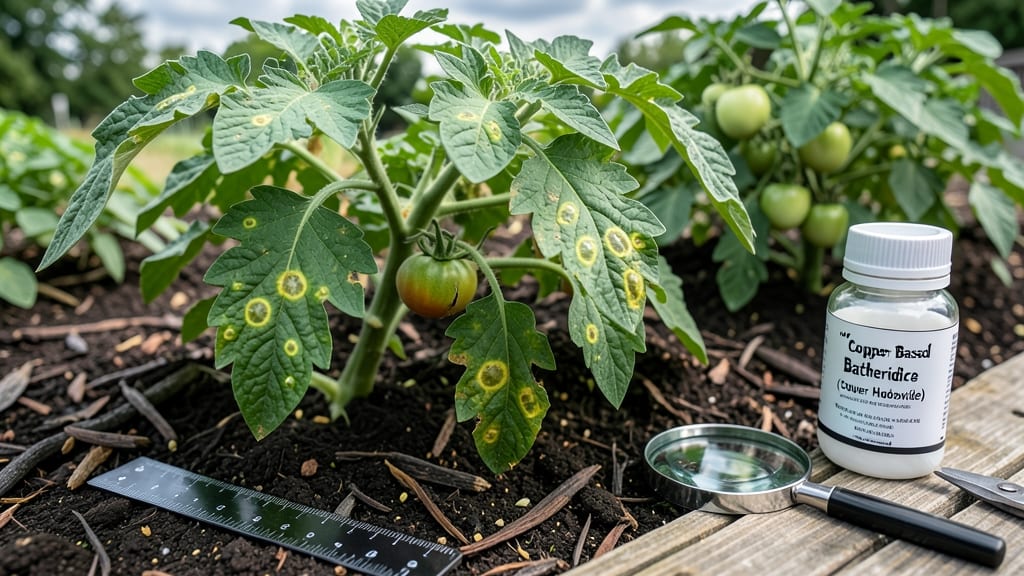
Your houseplants and garden greens are covered in bumpy, blistered spots that won’t quit—this is leaf blister disease, and it’s more treatable than you think. 🌿 I’ve battled this fungal spot on everything from ferns to tomatoes, and the key is catching it early before it spreads.
The good news? With the right approach, you can revive your plants and keep future outbreaks at bay.
This stubborn fungus thrives in damp, warm conditions, which means it’s often hiding in overwatered pots or shaded garden beds. The telltale signs are raised, blister-like spots on leaves—sometimes with a yellow halo—that eventually turn brown and crunchy.
Common victims include roses, tomatoes, peppers, and even indoor plants like calatheas, but the treatment principles stay the same.
You’ll tackle it with a mix of pruning, fungicide (organic or chemical), and better airflow—no need for drastic measures. Start by removing infected leaves immediately, then spray with neem oil or copper fungicide for a foolproof organic fix.
For severe cases, a systemic fungicide like myclobutanil works fast, but prevention is easier: water at the base, avoid overhead sprinklers, and space plants properly.
Most cases clear up in 2-4 weeks with consistent care, but if the spots keep spreading or your plants look weak, it’s time to call in a pro. The goal? Healthy, spot-free foliage that stays vibrant all season long. Let’s get those plants back to their best!
Root Causes Of Blistering Leaves
Leaf blisters—those unsightly, raised, or cracked patches on your plants—are rarely a random act of nature. Instead, they’re usually a sign of stress triggered by specific environmental or biological factors.
Understanding these causes is the first step to preventing and treating the issue. Let’s break down the real culprits behind your plants’ blistered leaves.
🌡️ Extreme Temperature Fluctuations
Plants thrive in consistency, and sudden swings in temperature—whether from scorching sun or icy drafts—can disrupt cellular function. When leaves are exposed to:
- Heat stress: High daytime temps (above 90°F/32°C) cause water loss, leading to blister-like swelling as cells expand rapidly to retain moisture. Common in succulents, ferns, and tropical plants suddenly moved outdoors.
- Cold shock: Frost or chilly nights (below 50°F/10°C) can freeze cell walls, causing ice crystals to form and rupture tissue upon thawing. Evergreens and citrus trees are especially vulnerable.
- Poor acclimation: Moving houseplants from indoor warmth to AC-cooled patios or vice versa without gradual adjustment triggers blistering within 3–7 days.
Pro tip: 🌡️ Use shade cloth for heat-sensitive plants and row covers for frost-prone varieties. For houseplants, avoid placing them near drafty windows or vents.
💧 Water-Related Stress: Too Much or Too Little
Water is the lifeblood of plants, but imbalances—whether from overwatering or drought—can lead to blistering. Here’s how:
| Cause | Effect on Leaves | At-Risk Plants |
|---|---|---|
| Overwatering (soggy soil) | Excess moisture drowns roots, forcing leaves to blister as a failed attempt to gas exchange. Cells fill with air pockets, creating spongy, translucent patches. | Calatheas, peace lilies, ferns |
| Underwatering (dry soil) | Leaves curl and blister as cells plump up to conserve water, often with brown, crispy edges. Common in succulents and cacti pushed too far. | Snake plants, jade plants, aloe |
| Hard water buildup (mineral deposits) | Excess calcium or fluoride in tap water crystallizes on leaf surfaces, causing raised, chalky blisters. Worst in calcium-sensitive plants like gardenias or azaleas. | Citrus, rhododendrons, camellias |
Pro tip: 💧 Use rainwater or filtered water for sensitive plants, and check soil moisture with your finger—never rely on a rigid watering schedule.
🍄 Fungal or Bacterial Infections
While not all blisters are infectious, pathogens like fungi and bacteria can exploit stressed plants, leading to persistent, worsening blisters. The two most common offenders:
- Leaf blister fungi (e.g., Cercospora or Exobasidium):
- Thrive in humid, stagnant air (70%+ humidity).
- Cause yellow, blistered spots that rupture into weeping sores.
- Target: Tomatoes, peppers, roses, and hydrangeas.
- Bacterial blight (e.g., Pseudomonas):
- Spreads via contaminated tools or rain splatter.
- Creates water-soaked, blistered lesions that ooze clear or yellow fluid.
- Common in cucumbers, beans, and stone fruits.
Pro tip: ✨ Prevent spread by sterilizing pruners with rubbing alcohol, removing infected leaves immediately, and improving airflow with proper spacing or fans.
🧪 Chemical or Physical Damage
Not all blisters are biological—sometimes, external forces force leaves to react defensively:
- Herbicide or fertilizer burn: Overapplication of synthetic fertilizers (especially nitrogen-heavy ones) or post-emergent herbicides causes chemical burns, leading to blistered, necrotic tissue.
- Mechanical injury: Hail, strong winds, or even rough handling can bruise cells, causing them to blister as they heal. Common in delicate leaves like hostas or coleus.
- UV light exposure: Sudden sun exposure (e.g., moving a shade-loving plant outdoors) triggers photodamage, leading to blistered, sun-scorched patches.
Pro tip: 🛡️ Protect plants with mulch (to buffer soil chemicals) and gradual sun acclimation (harden off plants over 7–10 days).
Most blistering is a warning sign—your plant’s way of saying, “Something’s off!” By identifying the root cause, you can act fast to restore your greenery’s health. Next, we’ll cover how to diagnose whether your plant’s blisters are stress-related or infectious.
Fixing Fungal Spots Fast
Leaf blister disease—caused by fungal pathogens like Taphrina or environmental stress—can turn your lush green plants into sad, spotted messes. But don’t panic! With the right approach, you can reverse the damage and keep your plants thriving.
Below, we’ve mapped practical fixes directly to the most common causes, plus prevention tips to stop future outbreaks. Let’s get your greenery back in shape!
Problem: Fungal spores love damp, stagnant air—perfect breeding grounds for blisters. Fix:
- 🔥 Prune aggressively: Remove infected leaves (bag and toss them!) and thin out dense foliage to increase airflow by 30–50%. Aim for 2–3 inches of space between leaves.
- 🌡️ Reduce humidity: Use a dehumidifier (set to 40–50% humidity) or place a fan on low (2–3 mph) near plants. For outdoor gardens, avoid watering late in the day to let foliage dry faster.
- ✨ Pro tip: Group plants by water needs—succulents with succulents, tropicals with tropicals—to prevent moisture buildup.
Prevent relapse:
- 💡 Space new plants 6–12 inches apart when transplanting.
- 🌿 Use raised beds for garden plants to improve drainage.
Problem: Overwatering creates soggy soil, inviting fungal growth. Fix:
- 👨🍳 Check soil moisture: Stick your finger 1 inch deep—if it’s damp, wait. Water only when the top 1–2 inches are dry.
- 🥘 Switch to bottom-watering: Place pots in a tray of water for 10–15 minutes, then drain excess. This prevents leaf wetness.
- 🔪 Upgrade your pots: Use terracotta or fabric pots (with drainage holes!) to wick away excess moisture.
Prevent relapse:
- ⏰ Water in the morning so leaves dry by evening.
- 🎯 Mulch wisely: Use orchid bark or gravel (not thick organic mulch) to keep roots dry.
Problem: If blisters are already forming, you’ll need targeted treatment. Fix:
- 🔥 Copper fungicide spray: Mix 1 tbsp copper sulfate per gallon of water and spray every 7–10 days until new growth appears. Safe for most plants but avoid edibles during harvest.
- 🌿 Neem oil solution: Blend 1 tsp neem oil + 1 tsp mild soap + 1 quart water, spray weekly for 3 weeks. Test on a small leaf first!
- 💡 Organic alternative: Baking soda spray (1 tsp baking soda + 1 quart water + few drops of soap) works for mild cases—spray every 2 weeks.
Prevent relapse:
- 🌡️ Sterilize tools: Wipe pruners with rubbing alcohol (70%+) between cuts.
- 🍎 Quarantine new plants for 2 weeks to spot early signs.
Problem: Extreme temps weaken plants, making them vulnerable. Fix:
- 🔥 For heat stress: Move plants to partial shade (especially midday sun) and mist leaves lightly 2x daily to cool them.
- ❄️ For cold stress: Use row covers or move potted plants to a sheltered spot (e.g., under a porch). Avoid cold drafts!
- 🌿 Adjust fertilizing: Skip high-nitrogen feeds—switch to balanced (10-10-10) or potassium-rich (5-10-10) to boost resilience.
Prevent relapse:
- 💡 Monitor temps: Keep houseplants 60–75°F and outdoor plants within their hardiness zone.
- 🌱 Harden off plants gradually if moving them outdoors.
Once you’ve treated the infection, lock in your progress with these habits:
- 🌿 Rotate crops (for garden plants) to starve fungal spores in the soil.
- 💦 Water at the base—never overhead—to keep leaves dry.
- 🔄 Clean up debris: Remove fallen leaves, mulch, and dead plants weekly to deny fungi a home.
- 🌱 Strengthen plants: Feed with compost tea or fish emulsion (rich in beneficial microbes) to boost natural defenses.
Remember: Patience is key! Some plants may take 4–6 weeks to fully recover, but with these steps, you’ll see healthier, blister-free foliage in no time. 🌿✨
Frequently asked questions
What plants are most commonly affected by leaf blister disease?
Leaf blister disease frequently targets tomatoes, peppers, roses, hydrangeas, and citrus trees. Houseplants like calatheas, peace lilies, and ferns can also develop blisters from fungal infections or environmental stress. The key is catching symptoms early—look for raised, yellowish spots that may crack open.
How can I tell if my plant has leaf blister disease versus sunburn or insect damage?
Leaf blister disease creates raised, blister-like spots that often turn yellow or brown and may ooze fluid. Sunburn causes dry, crispy patches on leaf edges, while insect damage (like spider mites) leaves tiny holes or webbing. Fungal blisters usually appear on lower leaves first and spread upward.
Is leaf blister disease contagious between plants?
Yes, fungal leaf blister disease spreads easily through water splatter, contaminated tools, or wind. To prevent cross-contamination, sterilize pruners with rubbing alcohol, avoid overhead watering, and quarantine new plants for 2 weeks before introducing them to your garden.
Will my plant recover if I remove the blistered leaves?
Pruning infected leaves stops the spread but won’t fully reverse damage—new growth is key. Combine removal with copper fungicide or neem oil sprays (applied every 7–10 days) to treat remaining spores. Most plants bounce back in 4–6 weeks with consistent care.
Can I still harvest fruits/veggies from plants with leaf blister disease?
Only harvest organic produce if blisters appear after fruits form. For chemical treatments, wait 14–21 days post-application before eating. Fungal spores don’t typically infect edibles, but remove heavily blistered leaves to reduce risk.