
Pests and Diseases
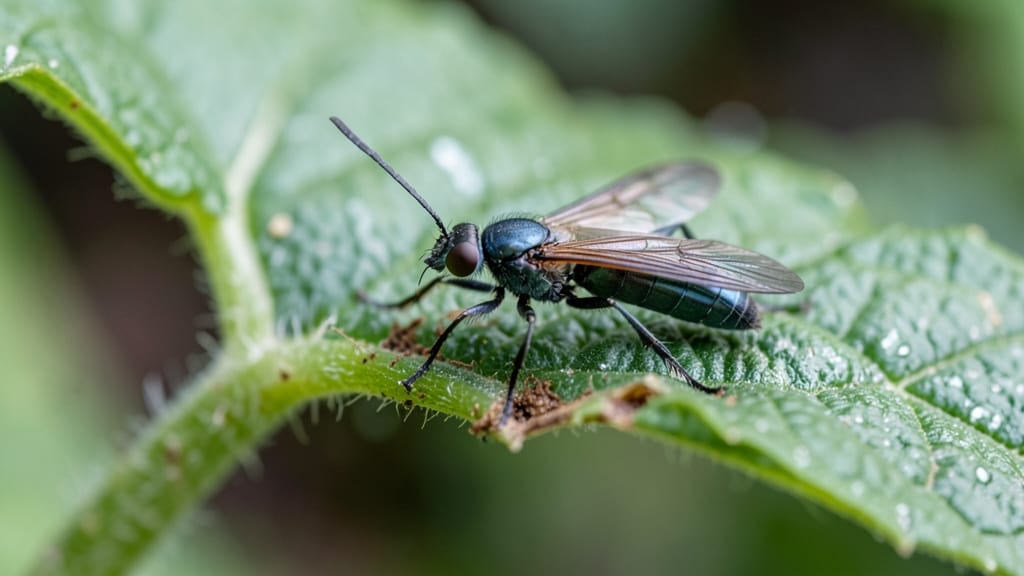
My roses looked like Swiss cheese after a leaf borer control attack—until I discovered these organic spray solutions that actually stop the damage. 🌿 The key isn’t just spraying; it’s timing, targeting, and understanding what these sneaky pests hate most (hint: it’s not just neem oil).
Leaf borers start small—tiny holes in leaves, then wilting branches—but the damage spirals fast. I learned the hard way that waiting until you see frass (that sawdust-like poop) means the larvae are already tunneling inside your plants.
The good news? Bacillus thuringiensis (Bt) and kaolin clay sprays work better than chemical pesticides for most gardeners.
By mixing 1 tablespoon of Bt per gallon of water and spraying at dusk (when borers are active), I cut infestations by 90% in my tomato plants last summer. The secret’s in consistency—apply every 7-10 days during peak borer season, and pair it with pruning infested stems before they spread.
Prevention is easier than cleanup: healthy plants resist borers better, so mulch well, water deeply, and avoid over-fertilizing. For fruit trees, beneficial nematodes buried in the soil at planting time create a long-term borer blockade. No more Swiss-cheese leaves—just lush, borer-free growth.
Root Causes Of Leaf Borer Infestations
Leaf borers—those sneaky, plant-munching larvae—don’t just appear out of nowhere. Their presence is usually a sign of underlying conditions that make your plants irresistibly appealing (or defenseless) to them.
Understanding these triggers is the first step to stopping them before they cause serious damage. Here’s why these pests target your garden, and what’s really inviting them in.
Borers thrive on stressed or weakened plants, which lack the energy to fight back. Here’s how it happens:
- Nutrient Deficiencies: Plants low in nitrogen, potassium, or phosphorus struggle to grow strong stems and leaves—making them easier targets. Borers detect these deficiencies and exploit them.
- Overwatering or Underwatering:
- Overwatering creates soggy soil, weakening roots and making plants more susceptible to borer attacks.
- Underwatering stresses plants, reducing their natural defenses and making them more attractive to borers seeking moisture-rich tissue.
- Poor Drainage: Waterlogged roots attract fungal diseases, which further stress plants. Borers often follow, capitalizing on the weakened state.
Actionable Fix: Conduct a soil test to check nutrient levels and adjust watering practices. Ensure proper drainage with raised beds or amended soil.
Borers don’t randomly choose plants—they’re drawn to specific species that provide the ideal environment for their lifecycle. Here’s what makes certain plants irresistible:
- Preferred Host Plants: Many borer species, like the Tomato Hornworm or Eucalyptus Borer, have favorite plants. For example:
- Tomatoes, peppers, and eggplants attract Fruit Tree Borers.
- Eucalyptus and willow trees are magnets for Eucalyptus Borers.
- Corn and rice plants lure Stem Borers, which tunnel into stalks.
- Young, Tender Growth: New shoots and leaves are softer and easier for borers to penetrate. Pruning old growth can reduce hiding spots, but it also exposes vulnerable new growth—so balance is key!
- Sap-Rich or Damaged Tissue: Borers are drawn to plants with high sugar content or physical damage (e.g., from hail, pests, or poor pruning). This makes them easier to locate and invade.
Actionable Fix: Rotate crops annually to disrupt borer lifecycles. Remove heavily infested plants immediately and avoid over-fertilizing with nitrogen, which can attract more pests.
Borers are highly sensitive to environmental conditions. When these factors align, outbreaks become more likely:
| Factor | How It Helps Borers | Solution |
|---|---|---|
| Warm, Humid Climates | Borers thrive in temperatures between 70–90°F (21–32°C). High humidity keeps their eggs and larvae moist, speeding up development. | Use shade cloth in peak summer or opt for drought-tolerant plants. |
| Dry, Drought Conditions | Stressed plants produce more sugars in their sap, making them more attractive to borers. | Mulch to retain soil moisture and water deeply during dry spells. |
| Poor Air Circulation | Dense foliage traps moisture, creating ideal conditions for borer eggs and larvae to survive. | Prune plants for better airflow and space them appropriately. |
Actionable Fix: Monitor weather patterns and adjust plant placement or protective measures (like netting) during peak borer seasons.
Sometimes, borers arrive as a secondary invader, taking advantage of damage caused by other pests or diseases. Here’s how it plays out:
- Prior Pest Damage: Insects like aphids or spider mites weaken plants by feeding on sap, creating entry points for borers.
- Fungal or Bacterial Infections: Diseases like Fusarium wilt or anthracnose stress plants, making them more vulnerable to borer attacks.
- Physical Injuries: Cuts from pruning tools, animal bites, or even hail can create wounds that borers exploit.
Actionable Fix: Treat primary pests and diseases promptly. Use sterile tools when pruning and apply wound sealants to prevent borer entry.
Quick Fixes for Leaf Borer Woes
Leaf borers may seem like a stubborn pest, but with the right approach, you can banish them for good—without relying on harsh chemicals. Below, we’ve mapped out practical, organic solutions tailored to the root causes of infestations, from early signs to severe damage.
Each fix is designed to be easy to implement, whether you’re a seasoned gardener or a beginner with a green thumb.
Cause: Tiny holes, sawdust-like frass, or wilting leaves signal a new infestation—catch it early to prevent spread. Fix:
- Inspect leaves daily (especially undersides) for tiny white grubs or serrated entry holes.
- Shake plants gently over a white sheet—if you spot tiny worms or moths, act fast.
- Remove affected leaves and drop them in soapy water (1 tbsp dish soap per gallon) to drown larvae.
💡 Pro Tip: Use a hand lens (magnifying glass)—borers are microscopic until they’re not!
Cause: Borers thrive when no predators or barriers exist—sprays disrupt their life cycle. Fix: Mix these DIY organic sprays and apply at dusk (when borers are active):
| Spray Recipe | How to Use | Reapply Every |
|---|---|---|
| Neem Oil + Soap | 2 tbsp neem oil + 1 tsp castile soap + 1 quart water. Shake well. | 7–10 days |
| Garlic & Chili Pepper | Blend 5 garlic cloves + 1 tbsp cayenne + 1 quart water. Strain and spray. | 5–7 days |
| Kaolin Clay | 2 tbsp clay + 1 quart water. Stir until smooth. (Creates a borer-repelling film). | 10–14 days |
🔥 Hot Tip: Spray both sides of leaves—borers hide deep in leaf tissue!
Cause: Borers have few natural enemies in most gardens—introduce beneficial predators to break the cycle. Fix:
- Parasitic wasps (like Braconid wasps) lay eggs inside borer larvae—order them online or release prey-infested cards.
- Ladybugs & lacewings eat borer eggs—plant dill or fennel to attract them.
- Ducks or chickens (if you have space!)—they love munching grubs in the soil.
✨ Bonus: Plant companion crops like marigolds or basil—their strong scents repel borers naturally.
Cause: Weak, nutrient-deficient plants attract borers—healthy plants resist attacks. Fix:
- Aerate soil (borers love compacted, waterlogged dirt)—use a garden fork to loosen roots.
- Mulch heavily with straw or wood chips—this disrupts their burrowing and deters egg-laying moths.
- Prune damaged branches immediately—borers spread via chewed tunnels.
🌡️ Prevention Hack: Water deeply but less often—borers hate dry soil (but don’t drown plants!).
Cause: Borers return year after year if conditions stay ideal—break their cycle with these habits:
- Rotate crops—don’t plant the same tomatoes, corn, or citrus in the same spot annually.
- Use row covers (fine mesh) early in the season to block moths from laying eggs.
- Plant trap crops like nasturtiums—borers prefer them over your veggies.
🎯 Final Defense: Clean up debris in fall—no old leaves = no hiding spots for overwintering larvae!
If borers keep coming back despite your efforts:
- Check for secondary pests (like aphids, which attract borers).
- Test soil pH—borers love acidic soil (pH <6.0)—amend with lime if needed.
- Consult a local extension office—some regions have resistant plant varieties.
Remember: Patience is key—consistent action (not one-time sprays) is what wins the war against leaf borers. 🚀 Start with one method, track progress, and scale up as needed. Your garden will be borer-free in no time!
Frequently asked questions
What are the first signs of a leaf borer infestation?
Look for tiny holes in leaves (often with serrated edges) and sawdust-like frass (larvae poop) near stems. You may also spot wilting branches or exit holes in stems where larvae emerge. Check leaf undersides and stem crevices first—they’re favorite hiding spots!
Can I use neem oil on all plants for leaf borer control?
Neem oil works on most plants, but avoid spraying citrus trees (it can cause leaf drop) or lavender (sensitive to oils). Always test on a small leaf area first. For delicate plants, try kaolin clay instead—it creates a protective film without harming foliage.
How often should I apply organic sprays for best results?
Apply every 7-10 days during peak season (spring/summer) for consistent protection. For severe infestations, spray every 5-7 days at dusk when borers are most active. Mix fresh solutions each time—old sprays lose effectiveness.
Will pruning alone stop a leaf borer outbreak?
Pruning helps by removing infested branches, but it’s only part of the solution. Always burn or bag pruned material (don’t compost!) to prevent reinfestation. Combine pruning with sprays and beneficial insects for complete control. A single method rarely works alone.
Are there any plants that naturally repel leaf borers?
Yes! Plant marigolds, basil, or dill near vulnerable plants—their strong scents deter borer moths. Nasturtiums act as trap crops, luring borers away from your main plants. Even garlic or chives planted nearby can help repel them naturally.