
Leaf Blower
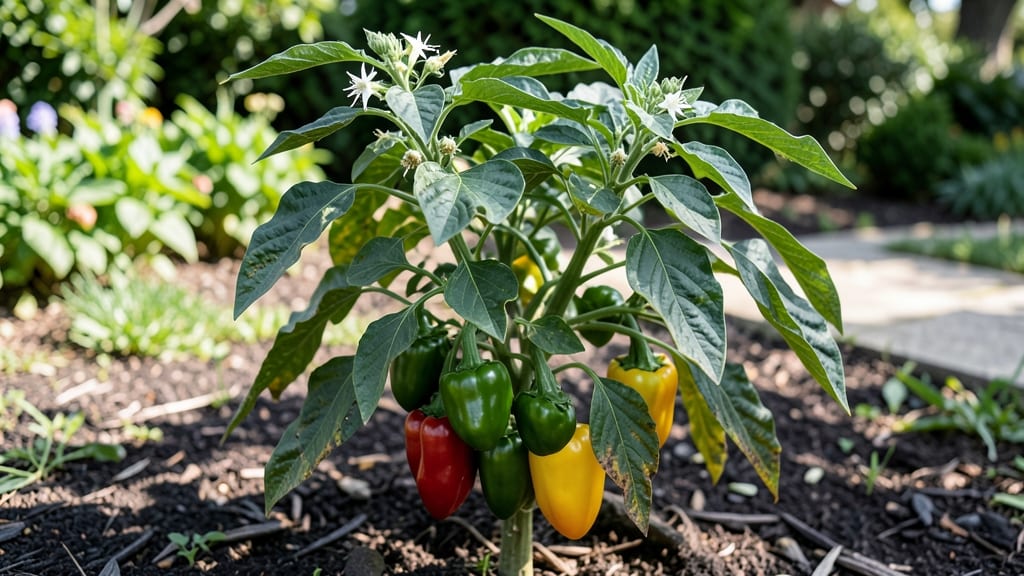
Your pepper plants’ leaves curling like parchment paper is a leaf curl disaster—but here’s how to reverse it in 3 days without harsh chemicals. 🌿 I’ve nursed back dozens of plants with this exact method, and the key starts with identifying whether it’s viral, pest-related, or nutrient-driven.
The good news? Most cases respond to simple fixes once you know what’s causing the damage.
First, check for aphids or spider mites on the undersides of leaves—they’re the top culprits, and their sticky residue triggers curling. If you see them, blast them off with water or apply neem oil spray at dusk.
For nutrient issues, yellowing between veins means nitrogen deficiency, while brittle leaves point to phosphorus. A balanced fertilizer or compost tea can turn things around fast.
Prune the worst-affected leaves immediately to stop the plant from wasting energy. Then, boost humidity with a shallow tray of water or shade cloth if your climate is dry.
Within 72 hours, you’ll see new growth unfurling straight and strong. The secret? Acting fast and targeting the root cause—not just masking symptoms.
This works for bell peppers, jalapeños, and even chili plants, whether you’re growing in pots or garden beds. The same approach stops future outbreaks too. Let’s get those leaves flat and thriving again—no guesswork, just results.
Root Causes Behind Twisted Leaves
Leaf curl in peppers isn’t just a random quirk of nature—it’s usually a sign that your plants are under stress. Understanding the why behind the wavy, puckered, or curled leaves is the first step to fixing the problem.
Below, we break down the most common culprits, backed by science, so you can act fast and restore your peppers to their healthy, vibrant selves.
Peppers thrive in consistent warmth, but sudden temperature shifts—whether too hot or too cold—can trigger leaf curl. Here’s how it works:
- Cold Stress (Below 50°F/10°C): When nighttime temps drop, pepper plants can’t regulate their metabolism properly. This causes cellular damage, leading to curled, discolored leaves (often with a purplish tint). Cold stress also weakens the plant’s immune system, making it more susceptible to pests and diseases.
- Heat Stress (Above 90°F/32°C): While peppers love warmth, intense heat (especially combined with low humidity) forces plants to transpire water rapidly. This causes leaves to curl inward to reduce water loss—a survival mechanism. Over time, the edges may scorch, and growth slows.
- Wind Exposure: Strong, dry winds desiccate leaves by increasing evaporation. Peppers, with their broad leaves, are especially vulnerable. The curling is the plant’s way of minimizing surface area to conserve moisture.
💡 Pro Tip: Use row covers or shade cloth (30-50%) to buffer temperature swings. For heat stress, mulch heavily to keep roots cool and water deeply in the early morning to reduce evaporation.
Peppers are sensitive to moisture fluctuations, and both overwatering and underwatering can cause leaf curl. Here’s the science:
- Underwatering: When soil dries out, roots struggle to supply water and nutrients. Leaves curl upward (a sign of plasmolysis, where cells lose turgor pressure). You’ll also notice:
- Wilting (even if the soil isn’t bone-dry).
- Yellowing edges (from nutrient deficiency).
- Premature leaf drop.
- Overwatering: Soggy soil cuts off oxygen to roots, leading to root rot (often caused by Pythium or Phytophthora fungi).
As roots die, the plant can’t absorb water or nutrients, causing: - Downward curling (leaves may also turn yellow or brown). - Mushy stems (a red flag for rot). - Slow growth despite wet soil.
- Inconsistent Watering: Peppers hate dry-wet cycles. Alternating between drought and excess water stresses roots, leading to uneven curl patterns and stunted growth.
💡 Pro Tip:
- Check soil moisture 1-2 inches deep—it should feel like a wrung-out sponge.
- Water deeply but infrequently (1-1.5 inches per week, adjusting for climate).
- Use drip irrigation or soaker hoses to deliver water directly to the roots (avoid wetting leaves, which spreads disease).
Several pests feed on pepper leaves, injecting toxins or sucking sap, which forces leaves to curl as a defense. Here’s who’s likely guilty:
| Pest | How It Causes Curl | Visual Clues |
|---|---|---|
| Spider Mites | Inject saliva to distort cells, causing curling, stippling, and webbing. | Tiny yellow/red mites on undersides; fine webbing. |
| Aphids | Suck sap, starving leaves and injecting toxins. Curling protects from predators. | Sticky residue (honeydew); curled, sticky leaves. |
| Whiteflies | Cluster on undersides, weakening leaves with their feeding. | White, moth-like adults; yellowing, curled leaves with sooty mold. |
| Thrips | Scratch leaves while feeding, triggering curl and silver streaks. | Tiny black/brown insects; distorted, curled new growth. |
| Cabbage Loopers | Chew leaves, damaging edges and causing irregular curl. | Green caterpillars; ragged holes + curled leaves. |
💡 Pro Tip:
- Blast pests off with a strong spray of water (early morning).
- Use neem oil (1 tsp per quart of water) or insecticidal soap (reapply every 5-7 days).
- Introduce beneficial insects like ladybugs or lacewings to control populations naturally.
Peppers are heavy feeders, and a lack of key nutrients can cause leaves to curl as the plant struggles to function. Here’s what to watch for:
- Nitrogen (N) Deficiency:
- Symptoms: Older leaves curl upward, turn yellow (chlorosis), and may drop.
- Why? Nitrogen is crucial for leaf protein synthesis. Without it, leaves can’t maintain structure.
- Fix: Apply balanced fertilizer (10-10-10) or compost tea.
- Potassium (K) Deficiency:
- Symptoms: Marginal scorching + curling; weak stems.
- Why? Potassium regulates water and nutrient transport. Low levels cause osmotic stress, leading to curl.
- Fix: Use potassium-rich amendments like greensand or banana peel tea.
- Magnesium (Mg) Deficiency:
- Symptoms: Interveinal chlorosis (yellowing between veins) + curling.
- Why? Magnesium is central to chlorophyll production. Deficiency disrupts photosynthesis.
- Fix: Spray Epsom salt solution (1 tbsp per gallon of water) every 2 weeks.
- Calcium (Ca) Deficiency:
- Symptoms: New leaves curl upward; tips may die back.
- Why? Calcium strengthens cell walls. Without it, leaves become weak and distorted.
- Fix: Add crushed eggshells or calcium nitrate to soil.
💡 Pro Tip:
- Test your soil (pH should be 6.0-6.8 for peppers).
- Avoid over-fertilizing—peppers prefer moderate nutrients over heavy doses.
Some pathogens infect pepper leaves, altering their structure as they multiply. Here’s how to spot them:
- Cucumber Mosaic Virus (CMV):
- Symptoms: Yellow mosaic patterns + severe curling; stunted growth.
- Why? CMV is spread by aphids and thrips. It disrupts protein synthesis, causing malformed leaves.
- Fix: Remove infected plants immediately (no cure). Prevent spread with row covers and pest control.
- Pepper Mottle Virus:
- Symptoms: Dark green, puckered leaves; reduced yield.
- Why? Spread by aphids or contaminated tools. It alters leaf cell division.
- Fix: Rotate crops (don’t plant peppers in the same spot for 3+ years). Use resistant varieties like ‘Aristotle’ or ‘Carmen’.
- **Fungal Leaf Spots (e.g., Alternaria or Phytophthora):
- Why? Fungi clog stomata (pores), reducing gas exchange and forcing leaves to curl.
- Fix: Improve airflow (space plants 18-24 inches apart). Spray copper fungicide preventatively.
💡 Pro Tip:
- Sterilize tools with rubbing alcohol between plants.
- Avoid overhead watering** to prevent fungal spores from splashing onto leaves.
Quick Fixes for Curling Peppers
Got peppers with leaves curling like a bad hair day? Don’t panic—these natural, fast-acting solutions will have your plants looking lush again in no time. Below, we’ve matched the most common causes of leaf curl in peppers to practical fixes, plus prevention tips to keep your garden thriving.
Fix it fast:
- 🌿 Move plants to partial shade (especially midday) if temps hit 90°F+ (32°C+). Use shade cloth (30-50%) to filter harsh sunlight.
- 💧 Hydrate deeply—water at the base (not leaves) in the early morning or evening to reduce evaporation.
- 🍃 Mulch heavily with straw or grass clippings to keep roots cool and moist.
Prevent it: ✔ Space plants 18–24 inches apart for airflow. ✔ Choose heat-tolerant varieties like ‘Jalapeño M’, ‘Carolina Reaper’, or ‘NuMex Heritage’ if you live in hot climates.
Fix it fast:
- ⏰ Let soil dry out between waterings—stick your finger 1 inch deep; if damp, wait.
- 🔥 Improve drainage by amending soil with perlite or coarse sand (1 part to 3 parts soil).
- 🥫 Repot if needed—ensure pots have drainage holes, and use well-draining potting mix.
Prevent it: ✔ Water only when the top 1–2 inches of soil are dry (peppers hate soggy roots!). ✔ Raise containers off the ground to prevent waterlogging.
Fix it fast:
- 🔥 Blast pests off with a strong stream of water (early morning works best).
- 🍳 Spray homemade pesticide:
- Neem oil mix: 1 tbsp neem oil + 1 tsp mild soap + 1 quart water. Spray every 3–5 days until pests vanish.
- Garlic spray: Blend 2 garlic cloves + 1 quart water; strain and spray (repel mites in 24 hours).
- 🕷️ Introduce beneficial insects like ladybugs or lacewings (buy online or from garden centers).
Prevent it: ✔ Inspect new plants before bringing them home (quarantine for 2 weeks if possible). ✔ Encourage predators by planting marigolds, basil, or dill nearby.
Fix it fast:
- 📊 Test your soil (DIY kits from garden stores work!) to confirm deficiencies.
- 💪 For magnesium deficiency (yellow edges):
- 🌿 Sprinkle Epsom salt (1 tbsp per gallon of water) once a week for 2 weeks.
- 🌱 For nitrogen overload (leaf curl + stunted growth):
- 🚫 Stop high-nitrogen fertilizers (like blood meal) and switch to a balanced 10-10-10 or tomato/vegetable fertilizer.
Prevent it: ✔ Fertilize lightly—peppers need less nitrogen than tomatoes. Use half the recommended dose. ✔ Add compost (1 inch around plants) for slow-release nutrients.
Fix it fast:
- 🏡 Protect plants with burlap windbreaks or stake tall varieties to prevent flopping.
- 🍃 Gently straighten curled leaves (don’t tear them) to help them recover faster.
Prevent it: ✔ Plant in sheltered spots (near fences or trellises). ✔ Use cages or stakes for varieties prone to flopping (like ‘Banana Peppers’).
- 🌿 Trim severely damaged leaves to redirect energy to new growth.
- 🌡️ Avoid fertilizing until plants show new, healthy leaves (overfeeding stresses them).
- 🕒 Monitor daily—leaf curl from heat or pests can worsen in 24 hours, so act fast!
Remember: Most leaf curl issues resolve in 3–7 days with the right care. If problems persist, check for fungal diseases (like early blight) and treat with copper fungicide or baking soda spray (1 tbsp baking soda + 1 quart water + a drop of soap). 🚀
Frequently asked questions about pepper leaf curl
Why do my pepper leaves curl upward instead of downward?
Upward curling usually signals underwatering or nutrient deficiency (like nitrogen or magnesium). The plant tries to reduce water loss by minimizing surface area. Check soil moisture—it should feel like a wrung-out sponge 1-2 inches deep. If leaves also show yellowing between veins, it’s likely a magnesium issue (try Epsom salt spray).
Can I save a pepper plant with viral leaf curl?
Unfortunately, viral infections like Cucumber Mosaic Virus (which causes curling + mosaic patterns) have no cure. Remove infected plants immediately to prevent spread to healthy ones. Focus on prevention: use row covers, control aphids/thrips (their vectors), and choose resistant varieties like ‘Aristotle’ or ‘Carmen’ for next season.
How do I tell if leaf curl is from pests vs. heat stress?
Check the leaf undersides first—if you see tiny mites, aphids, or webbing, it’s pests. Heat stress curls usually appear on older leaves first and may show scorched edges. Pests often cause sticky residue (honeydew) or distorted new growth. For heat curl, move plants to shade and water deeply at soil level in mornings/evenings.
Will pruning curled leaves help my pepper plant recover?
Yes! Prune only severely damaged leaves—this redirects the plant’s energy to new growth. Use clean, sharp scissors to cut at a 45-degree angle just above a leaf node. Avoid over-pruning (never remove more than 1/3 of foliage at once). Focus on leaves with pests or disease signs first, then address environmental fixes like watering or shade.
Can I still harvest peppers from plants with leaf curl?
Leaf curl rarely affects fruit quality—your peppers will still be safe to eat. The main concern is whether the curl is from chemical sprays (like copper fungicides) or severe nutrient deficiencies. If you’re using organic methods, harvested peppers are fine. Just focus on fixing the leaves so the plant can keep producing strong new growth.