
Pests and Diseases
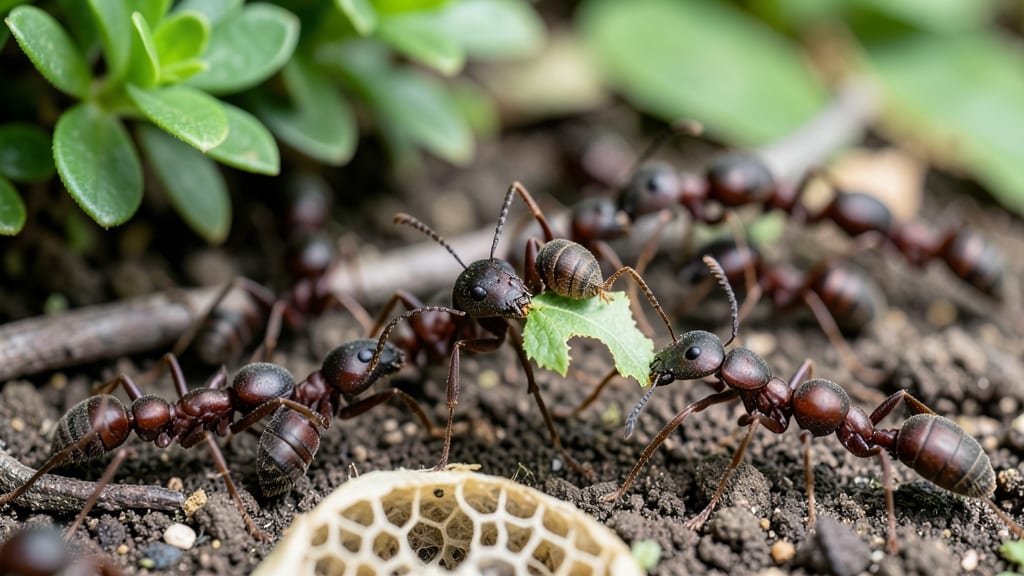
Leaf cutter bugs turn your garden into a construction site overnight. 🌿 These sneaky pests slice leaves into perfect rectangles, haul them away, and leave behind a trail of mud tunnels that look like tiny highways.
I’ve watched them strip entire basil plants in under an hour—no warning, just devastation. The worst part? They don’t just eat leaves—they destroy flowers, stems, and even young seedlings. Your prized roses or veggie patch can go from lush to skeletal in days if you don’t act fast.
But here’s the good news: organic control works better than you think, and it starts with understanding their behavior.
Most gardeners panic and reach for chemical sprays, but leaf cutter bugs are smart—they adapt quickly. Instead, I rely on natural traps made from plastic bottles filled with soapy water, placed near infested plants.
The bugs get trapped, and the colony shrinks without harming your garden’s ecosystem. For severe cases, neem oil or insecticidal soap sprays (applied at dusk) disrupt their life cycle without killing beneficial insects.
Prevention is key: keep your garden tidy, remove leaf litter, and plant mint, citrus, or lemongrass nearby—their scents confuse the bugs. If you catch an infestation early, you’ll save your plants and avoid the heartbreak of watching them disappear overnight. Let’s get those pests under control for good.
Root Causes of Leaf Cutter Activity
Leaf cutter ants—often mistaken for bugs—don’t actually eat leaves. Instead, they’re farming fungi 🍄, and their leaf-cutting behavior is a survival strategy with deep ecological roots. Understanding why they act this way helps you disrupt their cycle effectively. Here’s a breakdown of the key drivers behind their destructive habits:
Leaf cutter ants (Atta and Acromyrmex species) cultivate mutualistic fungi in underground gardens, using chewed leaves as a nutrient source.
Their survival hinges on this relationship: - Nitrogen-rich leaves are their primary protein source, since their diet lacks direct animal protein. - The fungi break down leaf material into a digestible form, which the ants feed to their larvae. - Without leaves, the fungal colony collapses, starving both the ants and their young.
Actionable insight: Disrupting their fungal gardens (via organic baits or habitat modification) forces them to abandon leaf-cutting entirely.
A single queen can produce millions of workers in a few years, leading to resource scarcity in their territory.
When a colony grows too large: - Worker ants scavenge more aggressively, stripping plants faster than they can regrow. - Satellite colonies form nearby, exacerbating the problem as multiple groups compete for leaves. - Swarm signals (pheromones) attract more ants to high-value plants, like citrus or young trees.
Actionable insight: Targeting queen-killing baits or reducing nest populations early can prevent exponential growth.
Not all plants are equally at risk. Leaf cutters prefer:
- Tender, fast-growing leaves (e.g., citrus, hibiscus, roses) over woody or toxic species.
- Young plants with high moisture content, which are easier to carry.
- Shaded or damp areas, where leaves stay fresh longer and fungal growth thrives.
Actionable insight: Plant ant-resistant species (e.g., lavender, marigolds, or citrus hybrids bred for toughness) as barriers around high-value crops.
Leaf cutter activity peaks during warm, humid seasons (spring to early fall) because:
- Higher temperatures speed up fungal growth, increasing demand for fresh leaves.
- Rainfall softens leaves, making them easier to cut and carry.
- Drought stress in plants makes them more susceptible to attack.
Actionable insight: Monitor activity during monsoon seasons and apply organic repellents (like neem oil) proactively.
Ironically, human landscaping can worsen infestations by:
- Removing natural predators (e.g., birds, toads) that might eat leaf cutter larvae.
- Planting monocultures (e.g., large citrus groves) that offer endless food sources.
- Using chemical pesticides that kill competing insects, leaving leaf cutters unchecked.
Actionable insight: Encourage biodiversity in gardens to restore natural pest checks.
Leaf cutter ants don’t destroy plants out of malice—they’re following an ancient, highly efficient survival strategy. By targeting their fungal dependency, colony growth, plant preferences, seasonal patterns, and habitat disruptions, you can outsmart their behavior without harsh chemicals.
Stay tuned for organic control methods that exploit these weaknesses!
Practical ways to outsmart garden invaders
If you’ve spotted those telltale trails of chewed leaves or neat piles of leaf clippings in your garden, it’s time to take action. Leaf cutter bugs—often mistaken for ants—can wreak havoc on your plants if left unchecked.
The good news? You don’t need harsh chemicals to keep them in line. Below are targeted, organic solutions tailored to the root causes of their infestation, along with prevention tips to keep them from returning.
Cause: They’re harvesting leaves to feed their fungus gardens. Fix: Disrupt their cycle with these three-pronged attacks:
1. 🌿 Remove Their Food Source (and Nesting Sites)
Leaf cutter bugs (often Atta or Acromyrmex species) rely on fresh foliage to cultivate their fungal gardens. Cutting them off at the source is your first line of defense.
- 🔪 Trim infested plants – Prune heavily damaged leaves and dispose of them in a sealed trash bag (not compost). These bugs will reuse the clippings if left nearby! - 🌱 Rotate crops – Avoid planting susceptible plants (like citrus, roses, or young trees) in the same spot yearly.
Bugs return to familiar territory. - 🪴 Use physical barriers – For potted plants, wrap the base with copper tape or fine mesh to block their access.
💡 Pro Tip: If you spot mud tubes near plant bases, that’s their nursery! Scrape them away with a trowel and monitor for regrowth.
2. 🕷️ Trap Them Before They Multiply
Since these bugs are attracted to moisture and decay, bait traps can lure them away from your prized plants.
- 🍯 Sugar water trap – Mix 1 cup sugar + 1 cup water + a drop of dish soap in a shallow dish. Place near infested areas. The soap breaks their exoskeleton, killing them. - 🥄 Citrus peel bait – Leave orange or lemon peels near problem spots.
The scent attracts them, and you can then relocate them far from your garden. - 🕯️ Light traps at night – These bugs are active after dark. Set up a white sheet with a flashlight shining on it—they’ll climb up and get stuck (then you can dispose of them).
⏰ Best Time to Act: Early morning or evening when they’re most active.
3. 🐝 Introduce Natural Predators
Mother Nature has her own pest control—beneficial insects that prey on leaf cutters.
- 🐜 Ant-lion larvae – These hungry predators ambush leaf cutters in their tunnels. Sprinkle sand in moist areas to attract them. - 🐸 Frogs and toads – Create a toad house with a shallow dish of water and flat rocks nearby.
They’ll snack on bugs while also controlling other pests. - 🦋 Parasitic wasps – Some wasp species lay eggs in leaf cutter eggs or larvae. Encourage biodiversity with native flowering plants to attract them.
🌡️ Bonus: If you’re dealing with a severe infestation, consider nematodes (Steinernema carpocapsae), microscopic worms that infect and kill leaf cutter larvae in the soil.
Once you’ve eliminated the current problem, prevent reinfestation with these habits:
- 💦 Reduce standing water – Leaf cutters love damp soil.
Improve drainage and avoid overwatering. - 🌿 Mulch strategically – Use gravel or pine needles instead of organic mulch, which can attract moisture-loving pests. - 🌱 Plant resistant species – Some plants, like basil, marigolds, or lemongrass, repel them naturally.
Interplant these near vulnerable crops. - 🔍 Inspect regularly – Check under pots, in cracks, and near foundations for early signs of tunnels or trails.
✨ Final Tip: If you’re dealing with indoor plants, quarantine new additions for 2 weeks to ensure no hitchhiking bugs sneak in!
By combining removal, trapping, and natural predators, you can regain control of your garden without resorting to toxic chemicals. Stay vigilant, and those leaf-cutting thieves won’t stand a chance!
Frequently asked questions
Are leaf cutter bugs the same as leaf cutter ants?
No, they're different! Leaf cutter bugs are actually a type of beetle (family Chrysomelidae), while leaf cutter ants (genus Atta) are social insects. The beetles chew leaves directly, while ants farm fungi using leaves as substrate. Both can damage plants, but their behaviors and control methods differ significantly.
Why do leaf cutter bugs leave mud tunnels?
These tunnels serve as their nurseries and highways! The bugs create them to protect their eggs and larvae from predators and environmental changes. The tunnels also help them move efficiently between food sources, especially during rainy seasons when leaves are softer and easier to transport.
What plants are most vulnerable to leaf cutter bugs?
Tender, fast-growing plants are prime targets. Citrus trees, roses, hibiscus, and young vegetable seedlings are especially at risk. The bugs prefer plants with high moisture content and soft leaves—avoid planting these near known infestation areas unless you're prepared to protect them with barriers or repellents.
Can I use coffee grounds to repel leaf cutter bugs?
Yes! Coffee grounds work as a natural deterrent. The strong scent confuses their trail-following abilities. Sprinkle fresh grounds around plant bases and garden edges, then reapply after rain. For best results, combine with other repellents like crushed mint leaves or citrus peels.
How do I know if my infestation is severe enough for professional help?
Watch for these red flags: Multiple mud tunnels (over 3 inches wide), rapid defoliation of mature plants, or new tunnels appearing daily. If you see worker beetles swarming at night or find large piles of leaf clippings near your home's foundation, it's time to call a pest control expert specializing in organic solutions.