
Pests
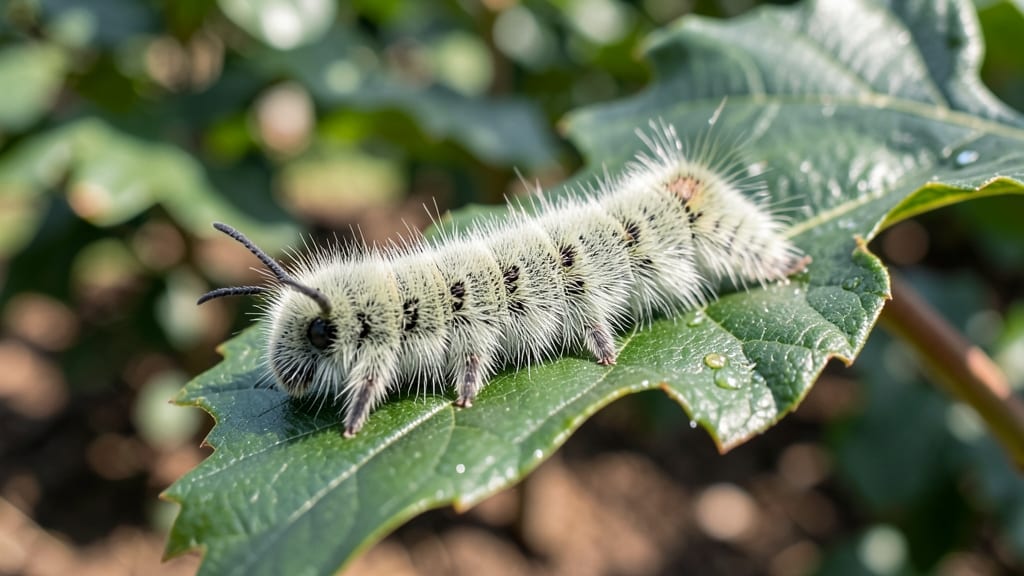
Oak leaf caterpillars can strip your trees bare in weeks—unless you act fast. 🌿 These fuzzy green pests (often Ectropis crepuscularia) spin silk webs and devour leaves, leaving behind skeletonized foliage that signals it's time for action. The good news? You don’t need harsh chemicals to stop them.
They thrive in late spring and summer, so timing matters. Start by inspecting branches for their telltale webs and chewed leaves—early detection means less damage. Prune affected areas to remove eggs and larvae, and encourage natural predators like birds and parasitic wasps by keeping a diverse garden ecosystem.
For organic control, use neem oil or Bt spray (Bacillus thuringiensis) to target caterpillars without harming beneficial insects. Reapply every 7–10 days until the infestation clears. The key is consistency—these pests multiply quickly, but natural methods work when applied correctly.
This approach protects your trees and the environment, so you can enjoy lush foliage without toxic residues. Let’s tackle this before they take over your oak’s canopy!
Why Oak Trees Get Infested
When you spot oak leaf caterpillars munching away on your prized trees, it’s not just bad luck—there’s usually a reason behind it. These caterpillars, often the larvae of moths like the fall webworm or gypsy moth, don’t just appear randomly.
Understanding the root causes helps you prevent future outbreaks naturally. Let’s break down the key factors that make your oak trees a caterpillar buffet.
Healthy trees are resilient, but stress makes them vulnerable. Oak leaf caterpillars target trees that are already struggling due to:
- Nutrient deficiencies: Lack of nitrogen, phosphorus, or potassium weakens leaves, making them easier to digest. Test your soil—low fertility is a red flag.
- Drought or overwatering: Both extremes stress roots, reducing the tree’s ability to fight off pests. Mulch properly (2–4 inches of organic mulch) to retain moisture and improve soil health.
- Prior pest damage: If your oak was already attacked by borers, aphids, or mites, it’s more likely to attract caterpillars next. Prune dead branches to remove hiding spots.
💡 Pro Tip: Water deeply but infrequently (1–2 inches per week) and fertilize in early spring with a balanced, slow-release fertilizer to boost defenses.
Caterpillars prefer easy meals, and young or densely packed oaks are their favorite snacks. Here’s why:
- Tender new growth: Young leaves are softer and more nutritious, so caterpillars flock to new shoots in spring/summer.
- Lack of competition: In forests or yards with only oaks, caterpillars have fewer food options and reproduce rapidly.
- Shady, humid microclimates: Thick canopies trap moisture, creating ideal conditions for moth eggs to hatch and caterpillars to thrive.
🌱 Action Step: Thin out overcrowded branches (but never remove more than 25% of the canopy at once) to improve airflow and reduce humidity.
Caterpillars are just the larval stage of moths—and moths are picky about where they lay eggs. These conditions trigger outbreaks:
| Factor | Why It Matters | How to Fix It |
|---|---|---|
| 🌡️ Warm winters | Mild winters mean more moths survive to lay eggs the next spring. | Plant native predators (like birds or parasitic wasps) to naturally control populations. |
| 🌧️ Heavy spring rains | Wet conditions help moth eggs stick to leaves and hatch faster. | Use row covers on young trees during egg-laying season (late spring). |
| 🍃 Monoculture landscapes | Large oak groves = all-you-can-eat buffet for moths. | Add diverse plants (e.g., sunflowers, marigolds) to disrupt their life cycle. |
✨ Science Note: Some moths, like the fall webworm, are endemic to oaks—they’ve co-evolved with the tree, meaning they’re always present but only explode in numbers when conditions are perfect.
Sometimes, well-meaning actions worsen infestations. Watch for these mistakes:
- Moving infested firewood: Moths hitchhike on wood, introducing them to new areas.
- Ignoring early signs: Small webs or chewed leaves go unnoticed until it’s too late.
- Over-pruning in late summer: New growth after pruning attracts egg-laying moths.
🚫 Avoid This: Never burn infested leaves or branches—bury them deeply or bag them for trash pickup to prevent moths from escaping.
Natural Ways to Remove & Prevent Them
Now that you know why these hungry critters show up, let’s tackle the real question: how do you get rid of them—and keep them away for good? The good news? You don’t need harsh chemicals to win this battle.
Below are targeted, eco-friendly solutions based on the root cause of your infestation, plus prevention tips to stop future outbreaks before they start.
If your oak tree is already stripped bare or caterpillars are swarming, aggressive but gentle removal is key. Here’s how to handle it:
🍳 Manual Removal (Best for Small Outbreaks)
- Pick them off by hand (yes, really!). Wear gloves and drop caterpillars into soapy water to kill them instantly.
- Shake branches over a tarp lined with soapy water—this dislodges eggs and larvae without harming the tree.
- Vacuum them up with a shop vac (great for large trees or hard-to-reach spots).
✨ Pro Tip: Do this early in the morning when caterpillars are sluggish and easier to spot.
👨🍳 Biological Controls (Nature’s Pest Patrol)
- Bt (Bacillus thuringiensis): A microbial pesticide safe for humans, pets, and bees. Spritz it on leaves—it targets caterpillars’ digestive systems. Reapply after rain.
- Parasitic wasps: These tiny allies lay eggs inside caterpillars, killing them naturally.
Plant dill, fennel, or milkweed nearby to attract them. - Birds & bats: Install a bat house or bird feeder to encourage their presence—both love munching on these pests.
🥘 Physical Barriers (For Young Trees)
- Wrap trunks with tree guard or aluminum foil (100 ft high) to prevent caterpillars from climbing up.
- Cover small trees with lightweight fabric (like floating row covers) during peak egg-hatching season (spring).
Once you’ve removed the current infestation, prevent future attacks with these strategies:
🌡️ Monitor & Maintain Tree Health
- Water deeply during droughts—stressed trees attract more pests.
- Prune damaged branches to improve airflow (less hiding spots for eggs).
- Fertilize in early spring with compost or organic fertilizer to boost tree resilience.
🎯 Disrupt Their Life Cycle
- Scrape off egg masses (they look like tiny white clusters) with a plastic scraper and drop them in soapy water.
- Apply horticultural oil in late winter/early spring to smother overwintering eggs.
- Mulch properly—keep mulch 3–4 inches deep but 6 inches away from the trunk to discourage egg-laying.
💡 Smart Timing for Treatments
| Season | Action | Why It Works |
|---|---|---|
| Late Winter | Spray horticultural oil or neem oil | Kills overwintering eggs before hatching. |
| Early Spring | Release beneficial wasps or apply Bt | Targets newly hatched larvae. |
| Summer | Hand-pick caterpillars weekly | Prevents full-blown defoliation. |
| Fall | Rake up fallen leaves (where eggs hide) | Removes hiding spots for next year’s pests. |
- Neem oil spray: Mix 2 tbsp neem oil + 1 tsp mild soap + 1 quart water.
Spray every 7–10 days during outbreaks. - Diatomaceous earth (food-grade): Sprinkle lightly on leaves—it dehydrates caterpillars. Reapply after rain. - Beer trap: Fill a shallow dish with beer—caterpillars are attracted to it and drown. (Works best for ground-level infestations.)
Remember: Patience is key. Some methods (like beneficial insects) take time to establish, but they’re safer and more sustainable than chemicals. Check your trees weekly during peak season (spring/summer) to catch problems early.
Now go forth and reclaim your oak tree—without the toxic spray! 🌿🐛🚫
Frequently asked questions
What do oak leaf caterpillars look like?
Oak leaf caterpillars vary by species, but most are fuzzy green or brown with distinctive markings. The fall webworm larvae are pale green with white stripes, while gypsy moth caterpillars are hairy with blue and red markings. Look for their telltale silk webs or chewed leaves as a key identifier.
Are oak leaf caterpillars harmful to humans?
Most oak leaf caterpillars are harmless to humans, but some species (like the hickory horned devil) can deliver a mild sting if handled roughly. The real danger is their rapid defoliation, which weakens trees and attracts secondary pests. Always wear gloves when removing them manually.
How quickly can they defoliate an oak tree?
Under ideal conditions, a severe infestation can strip an oak tree bare in just 2-3 weeks. Young trees are especially vulnerable, while mature oaks can often recover if the caterpillars are controlled before full defoliation occurs. Early intervention is key!
Will birds eat oak leaf caterpillars?
Many bird species—like robins, blue jays, and chickadees—love munching on caterpillars. Installing bird feeders or creating bird-friendly habitats (like dense shrubs) near your oak trees encourages these natural predators. They're often the first line of defense against outbreaks.
Can I use vinegar to control oak leaf caterpillars?
While vinegar can help dissolve egg masses when applied directly, it's not an effective long-term solution for caterpillars. The acidity may kill some larvae, but it won't prevent future infestations. For better results, combine vinegar treatments with Bt spray or neem oil during peak seasons.