
Pests
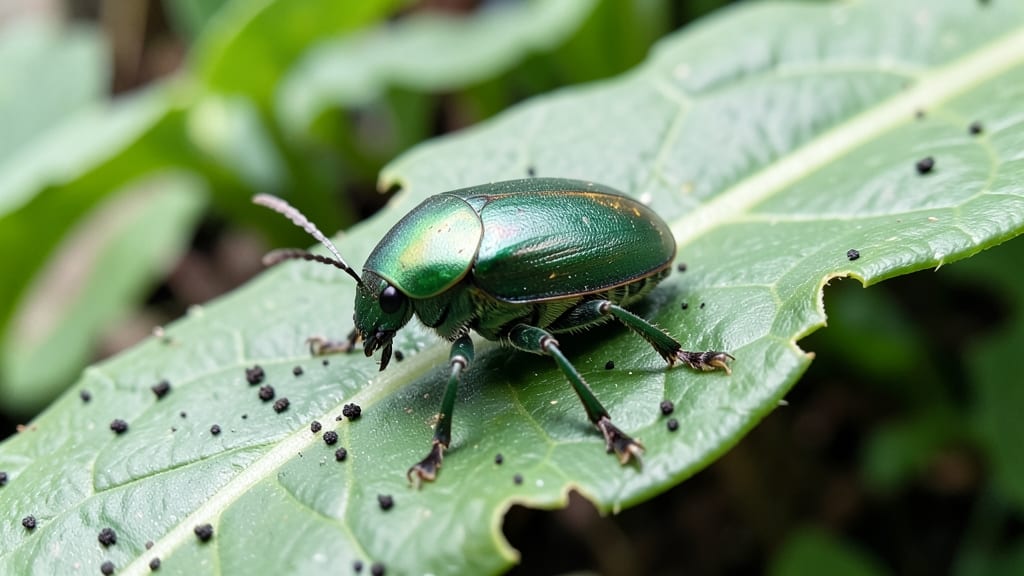
Leaf-eating bugs can turn your thriving garden into a skeleton show in days. 🌿 I’ve lost count of the times I’ve found my prized hostas reduced to lacework overnight—until I learned to spot the culprits early and act fast.
The good news? Most of these pests are easy to identify once you know what to look for, and natural solutions work better than chemicals for long-term health.
Caterpillars, beetles, slugs, and even deer are the usual suspects, each leaving distinct clues. Ragged edges? Likely caterpillars. Chewed holes with a glossy trail? Slugs. Uneven nibbles? Beetles or rabbits. The key is catching them before they move on to your roses or tomatoes—because once they do, the damage multiplies.
You’ll learn to recognize the most common pests by their size, color, and feeding patterns, plus foolproof ways to stop them without harming pollinators. From homemade sprays to strategic planting, these methods protect your garden while keeping it vibrant and productive.
Whether you’re dealing with a sudden infestation or just want to prevent one, this guide gives you the tools to take back your garden—without turning it into a chemical battlefield. Let’s get those leaves growing again.
The Hidden Triggers Behind Plant Devastation
When your garden’s lush green leaves start looking like Swiss cheese or a skeleton’s handiwork, leaf-eating pests are usually the culprits. But why do these tiny troublemakers suddenly decide your plants are an all-you-can-eat buffet?
The answer lies in a mix of environmental cues, plant health, and even human habits. Understanding these triggers can help you outsmart the invaders before they strike again.
Healthy plants are naturally resistant to pests because they produce chemical defenses that deter feeders. But when your plants are stressed, they send out distress signals—literally. Many leaf-eating bugs, like aphids, caterpillars, and Japanese beetles, are attracted to plants that are:
- Nutrient-deficient: Low nitrogen (a key plant protein) makes leaves softer and more appealing. Think of it like a buffet offering weak tea instead of a full meal—pests still show up, but they’re pickier.
- Water-stressed: Overwatering or drought creates sap-filled, tender leaves that bugs love. For example, thrips thrive on wilting plants because their high sugar content is irresistible.
- Damaged or diseased: Wounds from pruning, hail, or fungal infections release volatile organic compounds (VOCs) that act like dinner bells. Spider mites, for instance, flock to plants with powdery mildew because the fungus alters leaf chemistry.
Actionable fix: Boost plant resilience with a balanced fertilizer (look for slow-release nitrogen), mulch to retain moisture, and prune properly to avoid unnecessary stress. 💡 Pro tip: Use compost tea to strengthen roots—happy roots mean stronger pest resistance!
Pests don’t just target weak plants—they also exploit opportunity. Overcrowded gardens with dense foliage provide:
- Hiding spots: Shady, humid microclimates under thick canopies are perfect for slugs, snails, and cutworms. These pests thrive in moisture and darkness, turning your garden into their personal spa.
- Easy movement: Tightly packed plants allow bugs like leafhoppers to jump from plant to plant without exposure. One infested plant can quickly become a dozen.
- Limited airflow: Poor circulation traps humidity, creating ideal conditions for fungal diseases and the pests that feed on infected leaves.
Actionable fix: Prune regularly to improve airflow, space plants according to their mature size, and avoid planting monocultures (large groups of the same plant). ✨ Bonus: Interplant with pest-repelling herbs like basil or mint to disrupt bug highways!
Leaf-eating pests are often seasonal opportunists. Their populations explode when conditions align:
| Pest Type | Triggering Conditions | Peak Activity |
|---|---|---|
| Caterpillars (e.g., tomato hornworms) | Warm nights + high humidity (ideal for egg-laying) | Late spring to early fall |
| Japanese Beetles | Drought-stressed turf (they emerge from grass to feed) | June–August |
| Aphids | Mild winters + early spring growth spurts | Spring and fall |
| Grasshoppers | Dry, hot summers (they seek moisture in plants) | July–September |
Actionable fix: Monitor weather forecasts and act before pests arrive. For example, apply neem oil in early spring to deter aphids, or install row covers in late summer to block Japanese beetles. 🌡️ Pro tip: Use a soil moisture sensor to prevent drought stress—hydrated plants are less attractive to pests!
Sometimes, we create the perfect pest paradise without realizing it. Common garden mistakes that invite leaf-eaters include:
- Over-fertilizing with nitrogen: Lush, soft new growth is a magnet for cabbage worms and loopers. Too much of a good thing turns your plants into a bug buffet.
- Ignoring fallen leaves/debris: Decaying organic matter shelters cutworms and slug eggs. A tidy garden is a pest-free garden!
- Using synthetic pesticides incorrectly: Harsh chemicals can kill beneficial predators (like ladybugs) first, leaving pests unchecked. It’s like nuking your garden’s security team.
- Planting pest favorites without barriers: Roses, zucchini, and basil are delicious to humans and specific bugs. Without protective measures, you’re rolling out the welcome mat.
Actionable fix: Switch to organic, balanced fertilizers (like fish emulsion), clean up garden debris weekly, and introduce beneficial insects (e.g., lacewings for aphids). 🎯 Pro tip: Use physical barriers like floating row covers or copper tape for slugs—no chemicals needed!
Stop Chewing Pests Now
Leaf-eating bugs can turn your lush garden into a skeleton in no time, but the good news is that most infestations are manageable with the right approach.
Below, we’ve mapped out practical, step-by-step solutions tailored to the most common culprits—from slugs to beetles—along with prevention tips to keep your plants safe long-term.
Cause: These mucus-covered munchers thrive in damp, shady spots, leaving behind telltale slime trails and irregular holes in leaves.
How to Fix It:
- 🍳 Set Up Beer Traps – Bury a shallow dish filled with beer (or a mix of water + yeast) near affected plants. The scent attracts them, and they drown. Refresh every 2–3 days.
- 👨🍳 Use Copper Barriers – Copper tape or wire creates a mild electric shock when slugs touch it, deterring them. Wrap it around pots or create a ring around garden beds.
- 🥘 Handpick at Night – Grab a flashlight and a bucket of soapy water. Slugs slow down after dark—easily scoop them up and dispose of them.
- 🔪 Introduce Natural Predators – Ducks, chickens, or ground beetles love snacking on slugs. If you have poultry, let them roam freely in the garden.
💡 Prevention Tips:
- 🌡️ Reduce Moisture – Water plants in the morning so soil dries by evening. Avoid mulching too heavily in humid areas.
- ✨ Create Barriers – Use crushed eggshells, diatomaceous earth (food-grade), or sharp gravel around plants.
- 🎯 Choose Resistant Plants – Slugs dislike plants with fuzzy or hairy leaves (e.g., lamb’s ear, thyme) or strong scents (lavender, rosemary).
Cause: These iridescent beetles skeletonize leaves in days, favoring roses, grapes, and beans. Adults chew, while larvae (grubs) damage grass roots.
How to Fix It:
- 🔪 Handpick and Drown – Drop beetles into soapy water during early morning when they’re sluggish. Check undersides of leaves.
- 🥘 Use Neem Oil Spray – Mix 2 tbsp neem oil + 1 tsp mild soap in 1 gallon of water. Spray leaves thoroughly (reapply every 5–7 days).
- 🌿 Plant Trap Crops – Grow marigolds, cosmos, or evening primrose nearby to lure beetles away from prized plants.
- 🔥 Apply Kaolin Clay – This non-toxic mineral forms a protective film on leaves, making them less appealing. Reapply after rain.
💡 Prevention Tips:
- 📊 Encourage Beneficial Insects – Ladybugs and parasitic wasps prey on Japanese beetle grubs. Plant dill, fennel, or yarrow to attract them.
- 💪 Remove Grub Habitats – Japanese beetle larvae live in lawns. Aerate soil in late summer to expose grubs to birds or apply milky spore bacteria (a natural grub killer).
- ✨ Avoid Overwatering – Beetles love lush, moist conditions. Water deeply but infrequently to reduce their appeal.
Cause: From tomato hornworms to cabbage loopers, caterpillars can defoliate plants overnight. Look for frass (poop), chewed leaves, or pupal cases.
How to Fix It:
- 🔪 Squish or Drop in Soapy Water – For small infestations, pick off caterpillars by hand. Drop them into a bucket of soapy water to kill them instantly.
- 🌿 Use Bt (Bacillus thuringiensis) – This organic bacteria kills caterpillars when ingested. Spray on leaves (safe for humans and pets). Reapply after rain.
- 🥘 Install Pheromone Traps – For specific pests like cabbage worms, hang traps to reduce adult mating and egg-laying.
- 🔥 Introduce Parasitic Wasps – Tiny wasps like Cotesia lay eggs inside caterpillars, killing them naturally. They’re harmless to humans and plants.
💡 Prevention Tips:
- 🌡️ Rotate Crops – Plant families in different spots each year to disrupt caterpillar life cycles (e.g., don’t grow tomatoes in the same place annually).
- 🎯 Use Row Covers – Lightweight fabric barriers block adult moths from laying eggs. Secure covers tightly to prevent pests from sneaking in.
- 💪 Grow Companion Plants – Basil, dill, and tansy repel many caterpillar species. Interplant them with vulnerable crops.
Cause: While not "bugs," deer and rabbits can devastate gardens overnight, especially in suburban or rural areas.
How to Fix It:
- 🔪 Install Fencing – For rabbits, use 8-foot-tall fencing buried 6 inches deep to prevent digging. Deer need 8-foot fencing with an outward angle at the top.
- 🌿 Use Repellents – Spray plants with hot pepper wax (mix cayenne pepper + wax) or commercial deer repellents (reapply after rain).
- 🥘 Plant Unappealing Species – Deer avoid foxglove, daffodils, and lavender. Rabbits dislike rosemary, sage, and boxwood.
- 🔥 Try Motion-Activated Sprinklers – Sudden bursts of water scare off deer and rabbits without harming them.
💡 Prevention Tips:
- 📊 Remove Hiding Spots – Clear brush and tall grass where deer or rabbits might lurk near your garden.
- ✨ Create a "Deer-Proof" Buffer – Plant a thorny hedge (e.g., barberry, hawthorn) around the perimeter of your garden.
- 🌡️ Avoid Planting Near Wooded Areas – Deer are more likely to graze on gardens adjacent to forests or fields.
Final Pro Tip: 🎯 Monitor and Act Early – Check plants regularly (especially undersides of leaves) for signs of damage. The sooner you act, the easier it is to control the problem before it spreads!
Frequently asked questions
What are the most common leaf-eating bugs I should watch for?
The top culprits include caterpillars (like tomato hornworms), Japanese beetles, slugs, aphids, and grasshoppers. Each leaves distinct damage patterns—caterpillars create frass (poop) piles, beetles skeletonize leaves, and slugs leave silvery slime trails.
Can I use coffee grounds to deter leaf-eating pests?
Yes! Sprinkle used coffee grounds around plants to repel slugs, snails, and some beetles—the caffeine acts as a natural deterrent. Just reapply after rain. For caterpillars, mix grounds with water to create a spray that disrupts their feeding patterns.
How do I know if my plants are stressed enough to attract pests?
Check for yellowing leaves, stunted growth, or wilting—these are red flags. Overwatered or drought-stressed plants release chemical signals that attract pests like thrips and spider mites. A quick soil test or finger-check (dig 2 inches deep) reveals moisture levels.
Are there any plants that naturally repel leaf-eating bugs?
Marigolds deter aphids and Japanese beetles, while basil and dill repel many caterpillars. Even lavender and rosemary keep slugs away. Interplant these with vulnerable crops like tomatoes or cabbage for double protection.
When should I call a professional for leaf-eating bug control?
If you spot large infestations (e.g., hundreds of beetles or caterpillars), see new damage daily, or notice pests in multiple garden zones, it’s time to call. Professionals can assess whether chemical treatments or targeted biological controls are needed.