
Pests
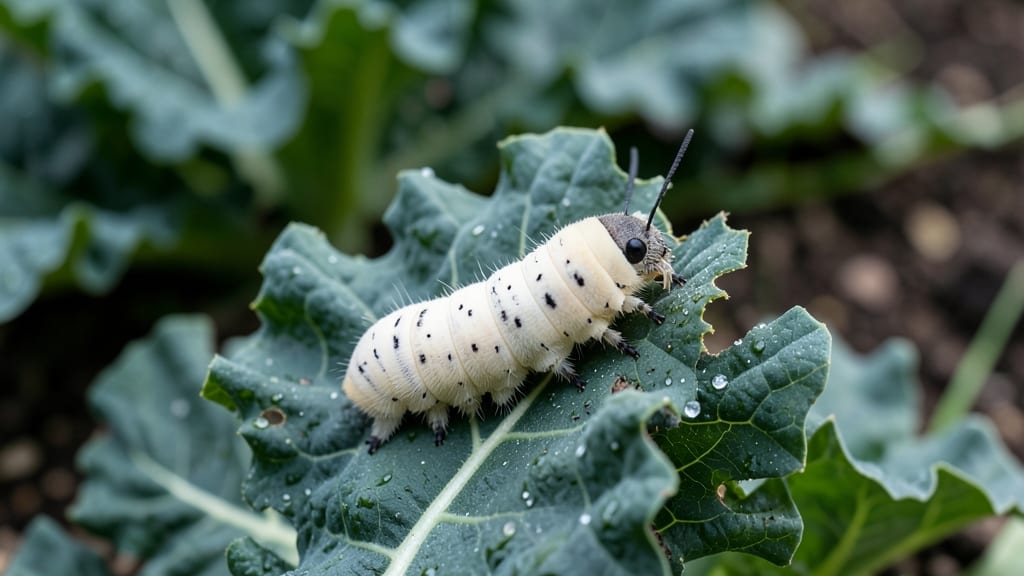
Leaf-eating insects can strip your garden bare in days, but these organic traps work faster than you’d expect. 🌿 I’ve seen caterpillars defoliate my tomato plants in just 48 hours—until I tried the right barriers and lures. The key isn’t just repelling pests; it’s catching them before they multiply.
Most gardeners panic when they spot chewed leaves, but the damage is usually preventable. Slugs, beetles, and caterpillars all leave distinct signs—ragged edges, skeletonized foliage, or slimy trails.
Once you know what you’re dealing with, you can deploy targeted traps (like beer traps for slugs or pheromone lures for moths) that stop the problem in its tracks.
Within a week, you’ll notice fewer holes in your leaves and more new growth. The best part? These methods protect your plants and the beneficial insects your garden needs. No more spraying chemicals just to watch pests return—this is how you break the cycle for good.
Works for vegetables, flowers, and even houseplants. Let’s get those traps set up before the next wave hits!
The Hidden Triggers Behind Foliar Feasts
When your prized plants suddenly look like Swiss cheese—or worse, a skeleton—leaf-eating insects are often the culprits. But why do these tiny troublemakers turn your garden into their all-you-can-eat buffet?
The answer lies in a mix of natural instincts, environmental cues, and plant vulnerabilities. Understanding these triggers is the first step to outsmarting them before they strike again.
Many leaf-munching insects, like Japanese beetles or cabbage loopers, are drawn to plants under stress. When plants experience drought, nutrient deficiencies, or physical damage (think broken branches or overcrowding), they release volatile organic compounds (VOCs)—essentially chemical distress signals.
These scents act like dinner bells for insects, luring them in for an easy meal.
- 💡 Actionable Fix: Keep soil moist but not waterlogged, and fertilize regularly to maintain plant health. A stressed plant is a beacon for pests.
- 🌡️ Pro Tip: Mulch around the base of plants to retain moisture and reduce stress signals. Organic mulches like shredded bark also deter some insects with their texture.
Leaf-eating insects are often attracted to plants with high nitrogen or sugar content. Young, tender leaves—especially on fast-growing plants like kale, spinach, or tomatoes—are packed with nutrients that make them irresistible. Even healthy mature leaves can become targets if they’re particularly soft or succulent.
For example, gypsy moth caterpillars prefer oak leaves because their tannins break down into simpler sugars during digestion, making them easier to process. Meanwhile, aphids flock to new growth because it’s packed with easily accessible nutrients.
- 📊 Data Point: Studies show that plants with a nitrogen-to-phosphorus ratio of 16:1 or higher are more attractive to leaf chewers.
- ✨ Strategy: Rotate crops to avoid overfeeding plants with high-nitrogen fertilizers. Balanced fertilization (e.g., 10-10-10 NPK) can reduce attractiveness without sacrificing growth.
Many leaf-eating insects are seasonal visitors, triggered by temperature, daylight, or rainfall patterns. For instance:
| Insect | Peak Activity Trigger | Why It Matters |
|---|---|---|
| Tent caterpillars | Spring warmth (50°F+) | Eggs hatch when soil temps rise, and new leaves are their first target. |
| Colorado potato beetles | Dry, hot summers | They thrive in arid conditions and seek out stressed, water-deprived plants. |
| Imported willow leaf beetles | Rainfall after drought | Moisture triggers egg-laying, and fresh growth follows, providing a feast. |
🔥 Prevention Tip: Monitor local pest calendars for your region. Early intervention—like setting up traps or applying organic sprays—can stop outbreaks before they begin.
In a balanced ecosystem, birds, spiders, ladybugs, and parasitic wasps keep leaf-eating populations in check. However, urbanization, pesticide overuse, or habitat destruction can disrupt this balance. When predators vanish, herbivorous insects multiply unchecked.
- 🌿 Eco-Friendly Solution: Create a pest-friendly garden with native plants that attract beneficial insects. For example:
- Dill and fennel lure parasitic wasps that prey on caterpillars.
- Marigolds repel nematodes and attract hoverflies, which eat aphids.
- 💡 Remember: Avoid broad-spectrum pesticides, which can harm both pests and their predators. Targeted organic sprays (like neem oil) are safer for the ecosystem.
By addressing these triggers—stress, nutrition, seasonality, and predator loss—you can make your garden less inviting to leaf-eating invaders. The key is proactive care: healthy plants, smart timing, and a thriving ecosystem are your best defenses.
Practical fixes for chewed-up plants
When leaf-eating insects turn your garden into a salad bar, quick action is key. The good news? Most damage can be stopped—or even reversed—with simple, organic solutions.
Below, we’ve mapped the most common causes of leaf destruction to their best fixes, plus prevention tips to keep your plants thriving. No harsh chemicals required!
When plants are packed too tightly, insects find it easier to hop from one meal to the next. Solution: Give your greens room to breathe.
- 🌱 Step 1: Prune & Thin – Remove overgrown branches or overcrowded seedlings to improve airflow. Aim for 12–18 inches of space between mature plants.
- 🌿 Step 2: Mulch Strategically – Apply a 2–3 inch layer of organic mulch (straw, wood chips, or grass clippings) to deter ground-dwelling pests like slugs and cutworms.
- 🌞 Step 3: Rotate Crops – If you’re growing veggies, swap their locations yearly to disrupt insect life cycles.
💡 Pro Tip: Interplant flowers like marigolds or basil—their strong scents repel many leaf munchers naturally.
Stressed plants (from drought, poor soil, or disease) are like all-you-can-eat buffets for insects. Solution: Boost plant resilience.
- 💧 Step 1: Water Deeply (But Not Too Much) – Most leaf-eaters thrive in dry conditions. Water at the base in the early morning to keep foliage dry and roots hydrated.
- 🌱 Step 2: Feed with Compost Tea – Mix 1 cup of compost in 5 gallons of water, steep for 24 hours, then strain. Use this nutrient-rich "tea" to strengthen plants weekly.
- 🔍 Step 3: Check for Hidden Issues – Yellowing leaves or wilting? Test soil pH (ideal: 6.0–7.0 for most veggies) and amend with lime (to raise pH) or sulfur (to lower it).
✨ Bonus: Worm castings are a powerhouse fertilizer—mix 1 cup per foot of plant for a slow-release nutrient boost.
Without birds, ladybugs, or parasitic wasps, leaf-eaters like caterpillars and aphids multiply unchecked. Solution: Invite their enemies to the party.
- 🐦 Step 1: Install Birdhouses & Feeders – Chickadees, wrens, and robins love snacking on caterpillars. Place feeders near your garden and add a shallow water dish for birds to drink.
- 🐞 Step 2: Plant Predator-Friendly Flowers – Dill, fennel, and yarrow attract parasitic wasps that lay eggs inside leaf-eating pests (like tomato hornworms).
- 🕷️ Step 3: Release Beneficial Insects – Buy ladybugs or lacewings online and release them at dusk. They’ll devour aphids and mites within hours!
🎯 Targeted Trap: For Japanese beetles, fill a jar with beer and bury it neck-deep in soil—they’ll drown in it overnight.
By the time you notice large holes, the infestation is already spreading. Solution: Act fast with these immediate fixes.
- 🧽 Step 1: Handpick the Culprits – Wear gloves and pluck caterpillars, slugs, or beetles into soapy water. Do this in the early morning when pests are sluggish.
- 🍎 Step 2: Use Row Covers – Lightweight fabric covers (like floating row covers) smother adult moths and block egg-laying. Secure edges with soil or rocks.
- 🌿 Step 3: Spray Homemade Repellents –
Pest Solution Caterpillars Spray 1 tbsp cayenne pepper + 1 tsp dish soap in 1 quart water. Reapply after rain. Aphids Blast off with a strong stream of water from a hose, then spray neem oil (1 tsp per quart of water). Slugs/Snails Set out beer traps (bury a shallow dish filled with beer) or sprinkle diatomaceous earth around plants.
⏰ Time-Saver: For severe infestations, wrap young plants in copper tape—slugs and snails avoid the electric-like sensation.
Most leaf-eating pests can be managed without resorting to chemicals. The key is combining prevention, early action, and ecosystem balance. Start with one or two fixes, monitor progress, and adjust as needed. Your garden will be back to lush in no time!
Frequently asked questions
What are the most destructive leaf-eating insects I should watch for?
Start with caterpillars (like tomato hornworms), Japanese beetles, slugs, and aphids—these four cause the most visible damage. Caterpillars leave ragged holes, beetles create skeletonized leaves, slugs leave shiny trails, and aphids cluster on new growth. Early identification is key to stopping outbreaks fast.
How do I tell if my plants are being attacked by insects vs. disease?
Insect damage has distinct clues: irregular holes, chewed edges, or sticky residue (aphid honeydew). Disease damage looks more uniform—yellow spots, powdery mildew, or wilting without holes. Check the undersides of leaves too; many insects hide there before striking.
Are beer traps really effective for slugs and snails?
Yes! A shallow dish of beer buried at soil level works because slugs/snails are attracted to the yeast and drown. Replace every 2-3 days for best results. For larger gardens, add a few traps near high-risk plants like lettuce or hostas. Combine with copper tape for extra protection.
Can I use neem oil on edible plants like vegetables?
Neem oil is safe for edible plants when used correctly. Mix 1 tsp per quart of water, spray in the evening (to avoid harming bees), and reapply after rain. Always test a small leaf first—some sensitive plants may react. Harvest within 24 hours of application to avoid residue.
Why do some plants seem more attractive to leaf-eaters than others?
Plants with high nitrogen, soft leaves, or fast growth (like basil, lettuce, or young tomatoes) are top targets. Also, stressed plants release chemical signals that act like dinner bells. Choose pest-resistant varieties (like swiss chard over spinach) and rotate crops yearly to break pest cycles.