
Pests
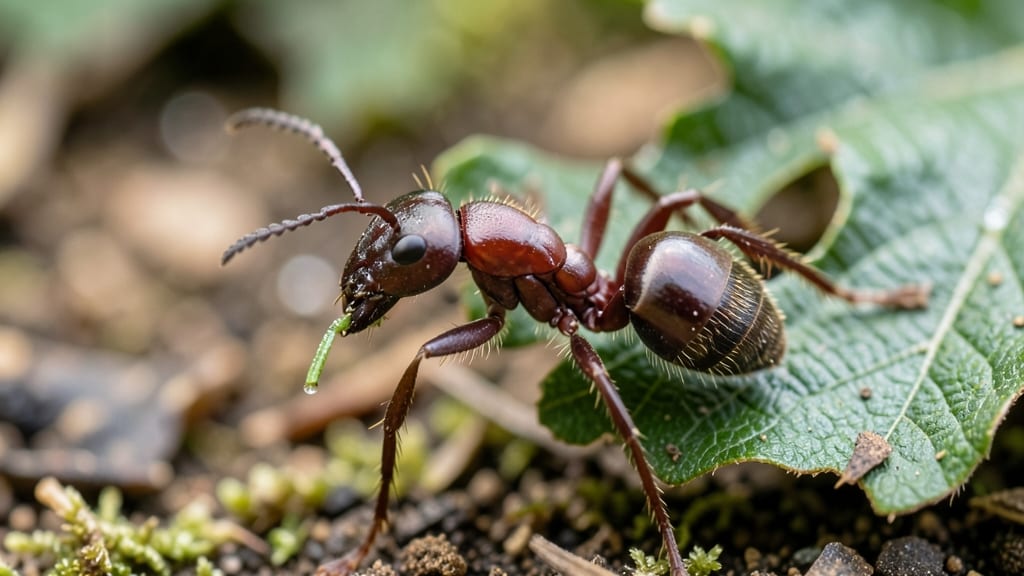
Texas leaf cutter ants are the silent garden saboteurs you didn’t see coming. 🌿 They don’t just nibble—they strip entire leaves, turning your prized plants into lacework overnight. I’ve watched them dismantle rose bushes and citrus trees in my own yard, and trust me, you’ll notice when they move in.
These ants thrive in Texas’ heat and humidity, nesting underground while their workers haul leaves back to feed their fungus farms. The damage starts small—tiny notches along leaf edges—but escalates fast if left unchecked. What begins as a nuisance becomes a full-blown infestation before you realize it.
The good news? You don’t need harsh chemicals to stop them. Strategic barriers, proper baiting, and even encouraging their natural predators can turn the tide. Within weeks, you’ll see fewer cut leaves and more healthy growth on your plants.
Here’s how to outsmart them using Texas-friendly, long-term solutions that protect your garden without harming the ecosystem.
Root Causes Of Their Invasion
Texas leaf cutter ants—often called "farming ants" due to their unique behavior—don’t just appear out of nowhere. Their presence in your yard or home is usually the result of specific environmental and ecological triggers.
Understanding these causes can help you address the problem at its source. Let’s break down why these ants target your property and how to recognize their motives.
Leaf cutter ants are obligate farmers, meaning they must cultivate fungi to survive. Their colonies thrive when they have easy access to fresh, tender plant material—like young leaves, flowers, and even bark—to feed their fungal gardens.
In Texas, lush landscapes, overgrown shrubs, and untrimmed trees create a buffet for these pests.
🔍 Why it happens:
- Urban sprawl: As cities expand, natural habitats shrink, forcing ants to seek out human-manicured yards for sustenance.
- Seasonal growth: Spring and summer bring rapid plant growth, providing the perfect "harvest" for foraging ants.
- Water stress in plants: Drought or poor soil health weakens plants, making their leaves easier for ants to cut.
💡 Actionable fix: Regularly prune trees and shrubs, especially those near your home’s foundation. Remove fallen leaves, mulch, and debris—these are like invitation cards for leaf cutter ants.
Leaf cutter ants need two things to establish colonies: moisture and protected nesting sites. Texas’s humid climate and frequent rainfall create ideal conditions, but human habits can amplify the problem.
🔍 Why it happens:
- Leaky pipes or poor drainage: Standing water or damp wood attracts ants looking for moisture and nesting material.
- Wooden structures: Decks, fences, and even untreated lumber provide perfect nesting spots in their walls.
- Compost piles or mulch beds: Organic matter retains moisture, mimicking the ants’ natural fungal gardens.
💡 Actionable fix:
- Fix leaks promptly and improve yard drainage with gravel or French drains.
- Seal cracks in wooden structures with caulk or metal flashing.
- Avoid piling mulch directly against your home’s foundation—keep it at least 12 inches away.
Leaf cutter ant colonies can grow to millions of workers, and when a colony becomes overcrowded, scout ants venture out to establish new nests. Texas’s warm winters and abundant food sources accelerate this process.
🔍 Why it happens:
- Lack of natural predators: Birds, spiders, and other insects that typically control ant populations may be absent in urban or landscaped areas.
- Undisturbed soil: Compacted or undisturbed ground allows ants to tunnel deeper without interference.
- Proximity to existing colonies: If a neighbor’s yard already has an infestation, their ants will swarm into yours.
💡 Actionable fix:
- Encourage natural predators by planting native flowers and shrubs that attract birds and beneficial insects.
- Loosen soil in garden beds to disrupt their tunneling paths.
- Monitor neighboring properties—if you spot leaf cutter activity, address it before they cross into your yard.
Texas’s hot, humid summers and mild winters create a near-perfect environment for leaf cutter ants. Unlike some pests that die off in cold weather, these ants remain active year-round, with peak foraging in spring and fall.
🔍 Why it happens:
- Extended growing season: Warm temperatures mean plants grow faster, providing a constant food supply.
- Rainfall patterns: Heavy rains soften leaves, making them easier to cut, while also keeping nesting sites moist.
- Drought stress: Paradoxically, dry spells can force ants to seek out water sources near homes, increasing indoor infestations.
💡 Actionable fix:
- Install dehumidifiers in crawl spaces or basements to reduce moisture.
- Adjust irrigation schedules to avoid overwatering lawns and gardens.
- Seal entry points with silicone caulk or expanding foam during high-risk seasons (spring and fall).
Stopping Leaf Cutters Naturally
Leaf cutter ants may be fascinating creatures, but their relentless foraging can quickly turn your yard into a chewed-up mess. The good news? You don’t need harsh chemicals to keep them at bay.
Below are practical, eco-friendly solutions tailored to the most common causes of infestations—plus prevention tips to keep these pests from returning.
Leaf cutter ants don’t dig tunnels like fire ants; instead, they travel along the ground or climb plants to reach food sources. If you’ve spotted their trails or damaged leaves, they’re likely using these pathways to access your garden.
How to Fix It:
- 🔥 Seal gaps in mulch – These ants love thick mulch beds, which provide shelter. Replace organic mulch with gravel, rubber mulch, or crushed stone (they can’t traverse sharp edges).
- 🍳 Trim low-hanging branches – If they’re cutting leaves from trees, prune limbs so they can’t bridge to the ground.
- 👨🍳 Install physical barriers – Bury a metal edging strip (like copper or aluminum) around garden beds or patios. The ants avoid these surfaces.
Prevention Tip: 💡 Check for hidden nests before treating. If you see small piles of frass (waste) or hollowed-out plant stems, you’ve found their colony—and you’ll need to target the queen (more on that below).
Leaf cutters are fungus farmers, but they’ll still munch on living plants if they’re desperate. If your garden is a buffet, they’ll keep coming back.
How to Fix It:
- 🥘 Eliminate weak or dying plants – Stressed plants (like citrus, hibiscus, or roses) are their favorite snacks. Remove and compost them far from your yard.
- 🔪 Prune damaged leaves immediately – If you see clean cuts on foliage, snip those leaves and soak them in soapy water (this kills any larvae inside).
- 🌡️ Adjust watering habits – Overwatered soil attracts ants. Let the topsoil dry slightly between waterings.
Prevention Tip: ✨ Use ant-repellent plants like lemongrass, mint, or catnip near entry points—their strong scents confuse ants.
If you’re dealing with a full-blown infestation, you’ll need to disrupt the nest. Leaf cutter colonies are large, so this requires a two-step approach:
How to Fix It:
- 🔍 Locate the nest – Follow the trail to where it disappears underground (often near tree roots, rocks, or foundation cracks).
- 💦 Flood the nest – Use a garden hose to soak the area for 10-15 minutes. This drowns workers and forces the queen to relocate.
- Alternative: Pour boiling water directly into visible tunnels (wear gloves!).
- 🎯 Apply natural repellents – After flooding, spray the area with:
- Neem oil solution (1 tbsp neem oil + 1 quart water)
- Vinegar spray (1:1 vinegar-water mix)
- Diatomaceous earth (food-grade) – Sprinkle lightly around entry points (reapply after rain).
Prevention Tip: 🔥 Monitor after treatment—if trails reappear in 2-3 weeks, the queen may have survived. Repeat the flooding method.
Leaf cutters won’t nest indoors, but they’ll chew through wood, insulation, or even wallpaper if they find a way inside. If you see them near your home, act fast.
How to Fix It:
- 🧹 Clear debris from crawl spaces – Piles of leaves, wood chips, or cardboard invite them in.
- 🛡️ Caulk gaps – Seal cracks in foundations, window frames, and utility lines with silicone caulk.
- 🌪️ Use fans as a deterrent – Place a small fan near entry points (ants avoid strong airflow).
Prevention Tip: 💡 Store firewood and lumber at least 20 feet away from your home—ants will hitchhike on wood to get inside.
Once you’ve kicked them out, keep them out with these habits: ✅ Inspect plants weekly – Remove chewed leaves immediately. ✅ Avoid over-fertilizing – Healthy plants are less appealing. ✅ Keep grass short – Tall grass hides trails and nests. ✅ Use ant-proof containers – Store pet food, compost, and trash in sealed metal or plastic bins.
Final Thought: 🎯 Leaf cutter ants are persistent, but they’re not invincible. With physical barriers, food removal, and colony disruption, you can reclaim your yard—without toxic sprays. Stay vigilant, and these pests won’t stand a chance!
Frequently asked questions
How can I tell if I have leaf cutter ants vs. regular ants?
Leaf cutter ants are larger than common ants (about 1/4 inch long) with straight antennae and carry leaf fragments or petals. They leave clean-cut edges on leaves, unlike fire ants that chew irregular holes. Watch for trails of workers carrying debris back to underground nests.
Will vinegar kill leaf cutter ants?
Vinegar won't kill the colony but acts as a repellent. Mix equal parts vinegar and water, spray directly on trails and entry points, and reapply after rain. For best results, combine with other methods like flooding nests or using diatomaceous earth to target the queen.
Are leaf cutter ants dangerous to humans?
They won't bite or sting humans, but their fungus gardens can cause allergic reactions in sensitive individuals. The real danger is their destructive foraging—they can defoliate plants overnight, damaging your garden's health. Always wear gloves when handling their nests or cut leaves.
How long does it take to eliminate a colony?
With proper treatment, you may see results in 3-7 days, but complete elimination can take 2-4 weeks since colonies are large. Flooding nests and using repellent plants helps speed up the process. Monitor trails daily—if they reappear after 2 weeks, the queen may still be active.
Can I use citrus peels to repel these ants?
Citrus peels are not effective against leaf cutter ants—they're attracted to the scent! Instead, try lemongrass oil or mint (the plants, not the scent). These disrupt their trails. For physical barriers, use crushed eggshells or copper tape around garden beds.