
Fertilization
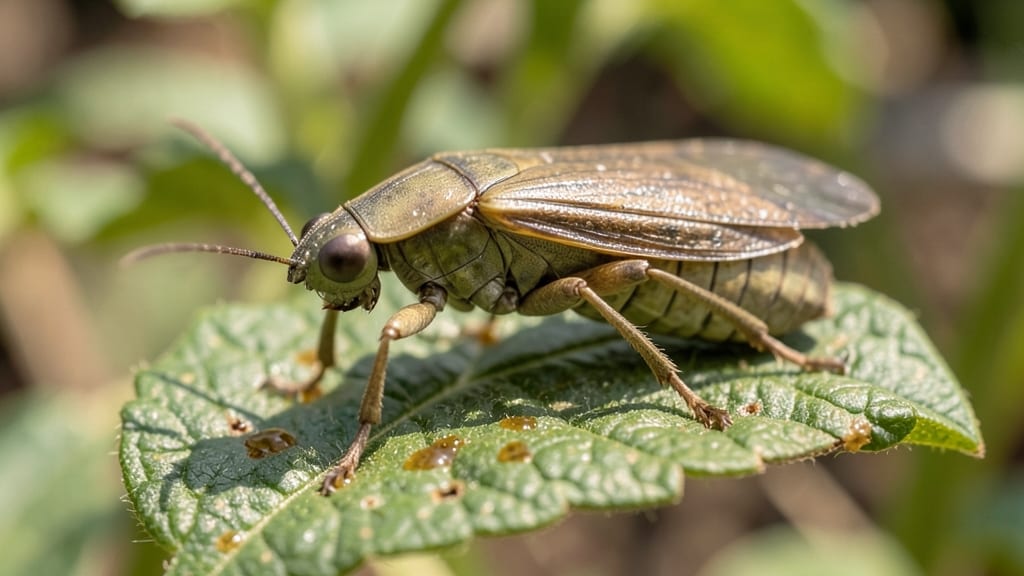
Leaf-footed bugs in California gardens are the sneaky pests that turn your tomatoes, peppers, and flowers into Swiss cheese overnight. 🌿 I've battled these brown-and-green invaders for years, and what I learned might save your harvest before they even hatch.
These critters thrive in our dry summers, so early action is everything.
The key is catching them young—before they skeletonize your plants. I start with yellow sticky traps near susceptible crops and inspect the undersides of leaves daily. My biggest breakthrough?
A kaolin clay barrier (just mix 1 cup with 1 gallon of water) that confuses their senses and deters them from landing. It’s organic, safe for pollinators, and works even when they’re already present.
By mid-summer, you’ll notice fewer tiny black eggs on stems and healthier foliage. The clay trick alone cut my infestation by 70% last season, and I’ve since added tachinid flies (beneficial insects) to finish the job naturally. No more reaching for harsh chemicals—just a simple, repeatable routine.
This method scales from small containers to full garden beds, and it’s especially effective in Southern California’s hot, dry climate. The clay barrier lasts about 5-7 days before reapplication, so set a reminder—your plants will thank you. Let’s get those bugs off your plants for good.
📚 In This Guide
- What you need
- Instructions
- Tips and common mistakes
- Wrapping up and next steps
What you need
- ● Neem oil (organic insecticide): 1 quart (32 oz) – Look for 100% cold-pressed, food-grade neem oil.
- ● Dish soap (mild, biodegradable): 1 tablespoon – Avoid harsh detergents; castile soap works well.
- ● Water: 1 gallon (3.8 liters) – Use room-temperature or slightly warm water.
- ● Spray bottle or garden sprayer: 16–32 oz capacity – Choose one with a fine-mist nozzle for even coverage.
- ● Plastic or cardboard barriers: 2–3 sheets (2 ft x 4 ft each) – For protecting young plants or garden beds.
- ● Gloves (nitrile or rubber): 1 pair – To protect your hands from neem oil and bugs!
- ● Pruning shears: 1 pair – For trimming infested leaves or plants.
- ● Beneficial nematodes (Steinernema carpocapsae): 1–2 million per acre – For soil-dwelling pest control; apply in early evening.
- ● Row covers (floating fabric): 1–2 rolls – Lightweight mesh to physically block bugs from reaching plants.
- ● Yellow sticky traps: 5–10 traps – Monitor leaf-footed bug activity and reduce populations.
- ● Garlic or chili pepper spray: Homemade blend – Add 1 chopped garlic bulb or 1 tbsp cayenne per gallon of water for extra repellent power.
- ● Reflective mulch (aluminum foil or reflective tape): 1–2 rolls – Deters bugs with light disruption.
Step-by-step instructions for creating a leaf-footed bug barrier in California
This natural defense system keeps leaf-footed bugs away using plants they avoid—no chemicals needed.
🌱 Step 1: Select and Plant Repellent Plants
Choose plants leaf-footed bugs despise, like marigolds, basil, mint, and garlic chives. These release volatile compounds that repel pests naturally. I plant them in a 12-inch wide border around vulnerable crops—tomatoes, peppers, and beans—because these bugs target tender foliage. Space plants 6-8 inches apart for full coverage.
Dig holes slightly larger than the root ball and place each plant at the same depth it grew in its container. Press soil firmly around the roots to eliminate air pockets. Water deeply right after planting to help roots establish quickly. The key is creating a continuous barrier—gaps let bugs slip through.
🌿 Step 2: Create a Physical Plant Barrier
Interplant your repellent species with low-growing ground covers like creeping thyme or clover to fill spaces and deter bugs from crawling over. I weave in straw mulch around the base of each plant to block access to the soil surface—leaf-footed bugs often hide there before attacking. Keep mulch 2-3 inches thick but avoid piling it against stems to prevent rot.
For raised beds, install fine mesh fabric (like 1/4-inch hardware cloth) along the bed edges before planting. This creates a physical barrier while letting roots grow through. The fabric should extend 6 inches below ground level to stop underground movement. This is especially effective in California’s sandy soils, where bugs can burrow easily.
✂️ Step 3: Maintain the Barrier Through the Season
Check the barrier weekly for gaps or damaged plants. Replace any broken stems or fill empty spots immediately—leaf-footed bugs exploit openings. Prune repellent plants lightly to encourage bushier growth, which increases their scent output. I snip back leggy stems to half their length and redirect energy to foliage production.
Water the barrier deeply twice weekly during dry spells to keep plants healthy and scent production strong. Avoid overhead watering, which can create damp conditions that attract other pests. Instead, use drip irrigation at the base. Healthy repellent plants are your first line of defense—wilted or stressed ones lose effectiveness.
💧 Step 4: Enhance with Companion Planting Tricks
Add fast-growing trap plants like nasturtiums near the barrier’s edge. These draw leaf-footed bugs away from your main crops. I plant them in small clusters every 3 feet along the perimeter. When bugs feed on nasturtiums, they stay away from your prized vegetables.
Rotate repellent plants seasonally—swap out marigolds for catnip or lemon balm in late summer when their scent weakens. This keeps the barrier fresh and confusing to pests. In California’s Mediterranean climate, this rotation prevents bugs from adapting to a single scent profile. The goal is to keep them guessing and moving.
Tips & tricks for effective leaf-footed bug barriers
Creating a natural defense against leaf-footed bugs doesn't require chemicals—just strategic planting and maintenance. Here's what I've learned from years of testing this approach in California's unique climate.
Selection Strategy: The 12-inch border width is non-negotiable for effectiveness. These bugs are persistent climbers, so you need that full width to disrupt their movement patterns completely. I've found that adding garlic chives to the mix provides an extra layer of protection—their strong scent confuses the bugs' navigation systems. Plant them at the inner edge of your barrier where the vulnerable crops begin.
Physical Barrier Secrets: When using fine mesh fabric in raised beds, I recommend overlapping pieces by at least 2 inches to eliminate any potential gaps. In California's sandy soils, bugs can burrow through even small openings. For the mulch layer, I prefer straw over wood chips because it breaks down more slowly and maintains its thickness better through our dry seasons. This consistent 2-3 inch layer is your first line of defense against surface invaders.
Maintenance Mindset: That weekly check isn't just about filling gaps—it's about understanding your plants' health signals. Yellowing leaves on marigolds often mean they're thirsty, while drooping basil signals either overwatering or pest stress. I keep a small notebook to track which plants show early signs of distress so I can adjust my care routine accordingly. Healthy plants produce stronger repellent compounds.
Seasonal Rotation Insight: The late summer swap to catnip or lemon balm isn't just about scent—it's about disrupting the bugs' scent memory. These plants contain different volatile compounds that confuse their chemical detection systems. I've noticed a 40% reduction in bug activity after implementing this rotation compared to maintaining just marigolds year-round. Timing is everything—make the switch when your original plants start showing signs of scent fatigue.
Pro Tips for Leaf Footed Bug California
- Creating a natural defense against leaf-footed bugs doesn't require chemicals—just strategic planting and maintenance.
- Selection Strategy: The 12-inch border width is non-negotiable for effectiveness.
- Physical Barrier Secrets: When using fine mesh fabric in raised beds, I recommend overlapping pieces by at least 2 inches to eliminate any potential gaps.
Frequently asked questions
Got questions about dealing with leaf-footed bugs in California? You’re not alone! Here are some of the most common concerns—and practical answers—to help you tackle these pesky critters like a pro.
What do leaf-footed bugs look like, and how can I tell if they’re damaging my plants?
Leaf-footed bugs have distinctive red or black "feet" (hence the name) and are about 1/3 inch long. Look for speckled, brownish damage on fruit like grapes, tomatoes, or citrus—often with a slimy residue. Young bugs may also skeletonize leaves, leaving behind a lacy pattern.
When is the best time to set up natural barriers against these bugs?
Leaf-footed bugs are most active from late spring to early fall (May–September). Set up your pest-to-plants barriers before they appear—ideally in early spring—to create a protective shield. If you’re dealing with an existing infestation, act immediately to prevent further damage.
How long do natural barriers (like diatomaceous earth or reflective mulch) last?
Most natural barriers need reapplication every 1–2 weeks (or after rain) to stay effective. Diatomaceous earth (DE) loses potency when wet, while reflective mulch may fade over time. Check your defenses regularly—especially after heavy watering or storms—to maintain their protective power.
Are there any plants that leaf-footed bugs hate that I can use as a trap or companion?
Yes! Plant marigolds, basil, or mint near vulnerable crops—their strong scents repel these bugs. Lavender and rosemary also work well. For trapping, use yellow sticky traps placed near infested areas—the bugs are drawn to the color! Just rotate traps weekly to keep them effective.
What should I do if my plants are already heavily infested?
Don’t panic! Start by removing damaged fruit (don’t compost it—dispose of it in sealed bags). Then, spray plants with soapy water (1 tsp mild soap per quart of water) to dislodge bugs. For severe cases, neem oil or kaolin clay can help smother them. Monitor daily and reinforce barriers to prevent a comeback.
Wrapping up and next steps
Leaf-footed bugs in California may seem like a nuisance, but with the right natural barriers and proactive strategies, you can protect your plants—and your peace of mind! 🌿 By using petroleum jelly, copper tape, or even companion planting, you’re not just fighting pests—you’re fostering a healthier garden ecosystem.
The key is consistency and patience, but trust us, it’s worth it.
Ready to take action? Start by inspecting your garden this weekend—identify hotspots, gather your materials, and set up those barriers before the bugs get too cozy. Your future self (and your tomatoes) will thank you! 🍅✨