
Neem Oil
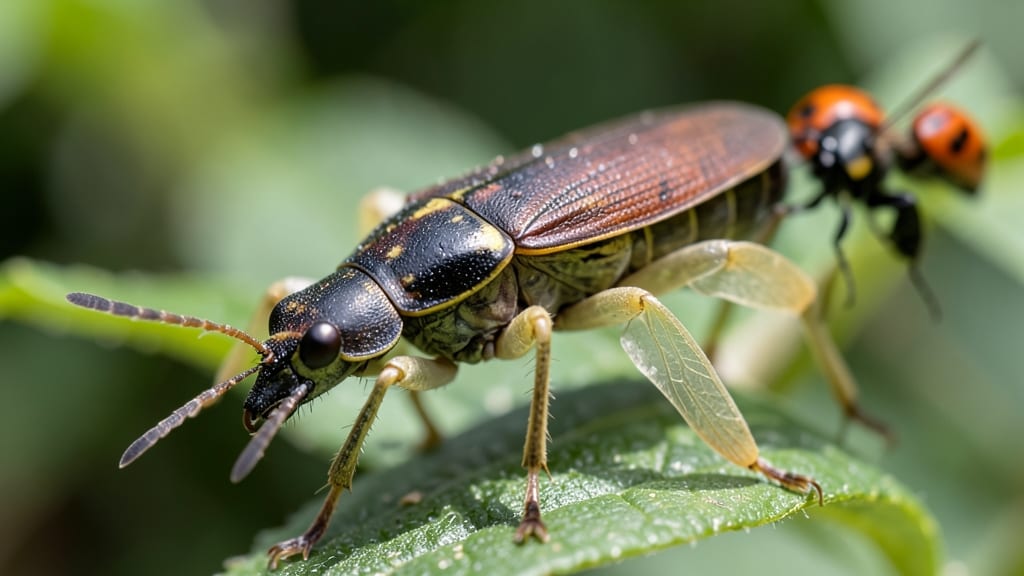
Neem oil turns the leaf-footed bug’s natural predators into an easy fix for gardeners who hate pesticides. 🌱 These sap-sucking pests leave behind stunted plants and sticky honeydew, but neem oil disrupts their life cycle while keeping your garden safe for pollinators and beneficial insects.
First, identify the problem—leaf-footed bugs hide on the undersides of leaves, especially on tomatoes, peppers, and beans. They multiply fast, so early intervention is key. Neem oil works by coating their bodies, stopping feeding, and preventing egg hatching.
It’s not just a spray; it’s a multi-step defense that weakens their numbers over time.
You’ll see results within 3-5 days of treatment: fewer bugs, less damage, and healthier plants. The best part? Neem oil is safe for most plants when used correctly, and it breaks down naturally in the environment. No more chemical residue or harm to the ecosystem you’re trying to protect.
For stubborn infestations, combine neem oil with parasitic wasps and lacewings—nature’s pest control. These beneficial insects hunt leaf-footed bugs naturally, giving you a two-pronged defense that works even better than neem alone. Let’s get your garden back to thriving!
Natural pest population shifts
Leaf-footed bugs (LFB) may seem like an unstoppable garden menace, but their rise—or sudden decline—often boils down to the delicate balance of nature. Understanding why these pests thrive (or get controlled) helps gardeners and farmers harness natural defenses like neem oil more effectively.
Here’s a breakdown of the key factors that influence their populations and attract their predators.
Leaf-footed bugs thrive in environments where their preferred hosts—like tomatoes, beans, or citrus trees—are abundant and healthy. When these plants are stressed, overcrowded, or nutrient-deficient, LFB populations can explode as they scramble for sustenance.
Conversely, when predators like Geocoris bugs, Orius insidious flower bugs, or parasitic wasps are present, they rely on a steady food source (LBFs) to survive.
- Why it happens: Healthy plants attract more LFB eggs and nymphs, creating a "buffet" that predators may struggle to keep up with.
- Actionable fix: Rotate crops, prune overgrowth, and ensure plants are well-watered to reduce LFB stress—and inadvertently, predator stress too.
- Pro tip: 💡 Diverse gardens with flowering plants (like dill or fennel) provide nectar for predator adults, keeping them energized to hunt LBFs.
Predators of leaf-footed bugs—such as Trissolcus wasps, Nezara virus (a natural pathogen), or generalist hunters like spiders and lacewings—are often outcompeted by pesticides, habitat loss, or climate shifts. When these natural regulators disappear, LFB populations surge unchecked.
| Predator Type | Why They Fail | How to Support Them |
|---|---|---|
| Parasitic Wasps | Broad-spectrum insecticides kill adult wasps before they can lay eggs in LFB eggs. | Use neem oil (targets LBFs, not wasps) and avoid synthetic pyrethroids. |
| Generalist Hunters (lacewings, damsel bugs) | Monoculture gardens lack pollen/nectar, weakening predator populations. | Plant companion flowers (e.g., marigolds, alyssum) near crops. |
| Pathogens (e.g., Bacillus thuringiensis) | LBFs evolve resistance if overused; predators lose a key tool. | Rotate biological controls (e.g., neem + Bt sprays). |
Leaf-footed bugs are opportunistic—they multiply rapidly in warm, humid conditions (ideal for their egg-laying cycles). Meanwhile, their predators often have slower life cycles or are cold-sensitive. A sudden heatwave or drought can tip the scales:
- LBFs: Thrive in 80–95°F ranges, with high humidity for egg survival.
- Predators: Many (like Orius bugs) struggle in temperatures above 90°F or below 50°F.
Actionable fix: Monitor weather patterns and apply neem oil as a preventative barrier during LFB peak seasons (late summer/early fall). Shade cloth can also protect crops and predator habitats.
Synthetic pesticides don’t just kill LBFs—they decimate their predators faster. Even "selective" sprays can linger in soil or plants, creating a toxic void where predators can’t survive. For example:
- Neonicotinoids harm parasitic wasps by disrupting their nervous systems.
- Organophosphates kill spider populations within days of application.
- Neem oil’s advantage: It’s repellent and growth-inhibiting for LBFs but non-toxic to predators when used correctly (avoid overspraying flowers).
Pro tip: ✨ Test sprays on a small plant area first—some predators (like Nezara virus carriers) are sensitive even to "safe" compounds.
Natural Ways to Outsmart Leaf-Footed Bugs
Leaf-footed bugs can be a frustrating pest, but the good news is that you don’t need harsh chemicals to keep them at bay. With the right strategies, you can create a garden or home environment that’s unwelcoming to these critters while still being safe for your plants and family.
Here’s how to tackle the problem—step by step.
Leaf-footed bugs love to lurk in dense foliage, mulch, and cluttered areas. Start by decluttering your garden and yard to eliminate their hiding places.
- 🍳 Trim Back Overgrown Plants: Cut back thick vegetation, especially near your home, where bugs may seek shelter.
- 👨🍳 Clear Debris: Remove leaf litter, old plant debris, and weeds from garden beds and around your foundation.
- 🥘 Store Firewood Properly: Pile firewood at least 20 feet away from your house and keep it elevated off the ground.
Pro Tip: 💡 Mulch can attract bugs, so opt for gravel or inorganic mulches if leaf-footed bugs are a recurring issue.
Neem oil is a natural, non-toxic solution that disrupts the life cycle of leaf-footed bugs while repelling them. It’s safe for most plants when used correctly.
- 🔪 Mix Neem Oil Properly: Combine 1 tablespoon of neem oil with 1 teaspoon of mild soap (like Castile soap) and 1 quart of water.
Stir well. - 🌡️ Apply at the Right Time: Spray the mixture in the early morning or late evening to avoid harming beneficial insects like bees. - 🎯 Reapply as Needed: Leaf-footed bugs may return, so reapply every 7–10 days or after rain.
Pro Tip: ✨ For extra protection, add a few drops of essential oils like peppermint or citrus to your neem oil spray—they’re natural bug repellents!
Sometimes, the simplest solutions work best. Physical barriers can prevent leaf-footed bugs from reaching your plants or entering your home.
- 🍎 Cover Young Plants: Use row covers or fine mesh netting over vulnerable plants like tomatoes, peppers, or beans. - 🏠 Seal Entry Points: Check your home’s exterior for gaps around doors, windows, and vents.
Use caulk or weatherstripping to seal them. - 🌱 Protect Harvested Crops: If bugs are targeting fruits or vegetables, cover them with breathable fabric while they ripen.
Pro Tip: 🔥 For indoor plants, place them on a tray of sand or diatomaceous earth—a natural, non-toxic powder that deters crawling pests.
Nature has its own way of keeping pests in check. By attracting natural predators, you can reduce leaf-footed bug populations without intervention.
- 🌿 Plant Companion Flowers: Marigolds, alyssum, and dill attract predatory wasps and ladybugs, which feed on leaf-footed bugs.
- 🐞 Create a Bug Hotel: Set up a small habitat with bamboo sticks, pine cones, and leaves to encourage beneficial insects.
- 🍄 Add a Water Source: A shallow dish of water with pebbles can attract predatory insects like ground beetles.
Pro Tip: 🎯 Avoid broad-spectrum pesticides—they can harm the very predators you’re trying to attract!
If you notice a sudden infestation, swift action is key. Leaf-footed bugs reproduce quickly, so early intervention prevents larger problems.
- 🔪 Handpick Adults and Nymphs: Wear gloves and crush them in soapy water to prevent them from flying away.
- 🌡️ Use a Stronger Neem Spray: For severe cases, mix 2 tablespoons of neem oil per quart of water and add a drop of dish soap for better adhesion.
- 🎯 Monitor Traps: Place yellow sticky traps near infested areas to catch adults and track their activity.
Pro Tip: 💡 Check the undersides of leaves—leaf-footed bugs often hide there during the day.
By combining these natural methods, you’ll create an environment that’s hostile to leaf-footed bugs while keeping your garden thriving. Stay consistent, and you’ll see a noticeable difference in no time!
Frequently asked questions
What are the best natural predators to control leaf-footed bugs?
Parasitic wasps like Trissolcus species are top predators—they lay eggs inside leaf-footed bug eggs, killing them from within. Other allies include Orius insidious flower bugs, lacewings, and ground beetles, which actively hunt nymphs and adults.
How do I attract more predators to my garden?
Plant nectar-rich flowers like marigolds, dill, and alyssum near your crops. These attract predatory insects while providing shelter with mulch or a "bug hotel" made from bamboo and pine cones. Avoid pesticides—they harm predators more than the bugs!
Can neem oil harm the predators I want to attract?
Neem oil is generally safe when used correctly, but overspraying flowers can harm beneficial insects. Always apply in the early morning or evening, avoid direct contact with blooms, and dilute properly (1 tbsp neem + 1 tsp soap per quart of water).
Why do leaf-footed bugs seem to disappear when predators arrive?
Predators like parasitic wasps and lacewings target vulnerable stages (eggs/nymphs), disrupting the bug's life cycle. A healthy ecosystem with diverse plants keeps predator populations strong, while stressed plants attract more leaf-footed bugs—creating a natural balance over time.
What should I do if leaf-footed bugs are already damaging my plants?
Start with neem oil (2 tbsp per quart of water) and handpick visible bugs into soapy water. For severe cases, combine neem with companion planting (e.g., basil near tomatoes) to boost predator activity. Check undersides of leaves daily—they hide there during the day!