
Pests and Diseases
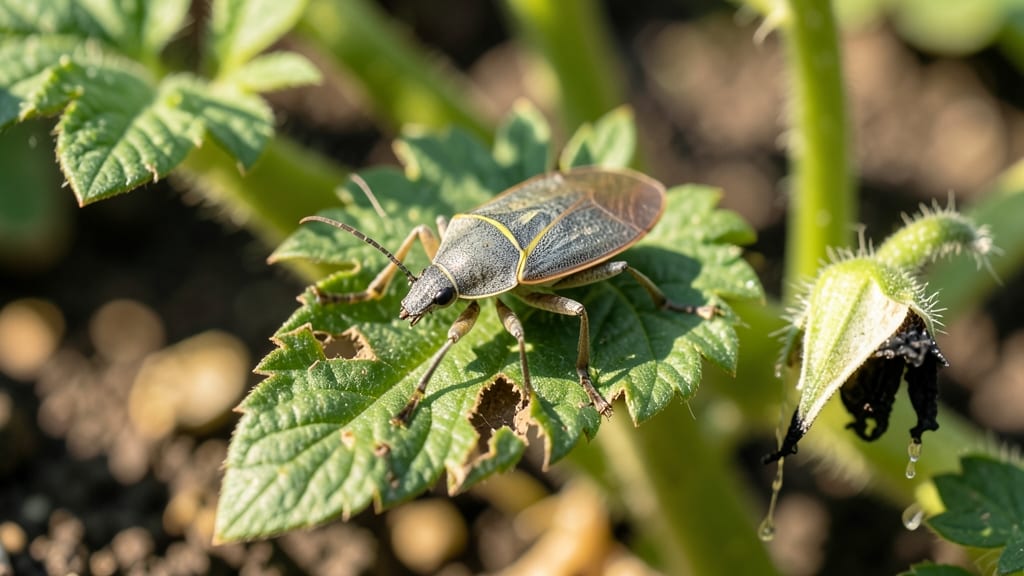
Those jagged, irregular leaf-footed bug tomato damage in your tomato leaves aren’t just unsightly—they’re leaf-footed bugs feasting on your plants. 🌱 I’ve seen these pests turn a thriving tomato patch into a skeleton of stems in just a few days, but I’ve also learned how to stop them fast with the right approach.
The damage starts with small, irregular chew marks on leaves and fruit, but if you wait too long, the bugs will suck out plant juices, causing wilting and stunted growth. These brown, shield-shaped insects hide under leaves during the day, making them easy to miss until it’s too late.
You can fight back with fast fixes like handpicking bugs (drop them in soapy water) or spraying neem oil in the evening when they’re active. For severe infestations, insecticidal soap works quickly, but you’ll need to repeat treatments every 5–7 days.
The key is acting early—once you spot the first chew marks, start monitoring daily and combine methods for the best results. Your tomatoes will bounce back faster than you think.
📚 In This Guide
- What you need
- Instructions
- Tips and common mistakes
- Wrapping up and next steps
What you need
- ● Magnifying glass or hand lens (10x magnification recommended) – for closely inspecting chew marks and bug activity.
- ● White tray or sheet of paper – to gently shake tomato plants and spot hidden bugs.
- ● Gloves (nitrile or cotton) – to protect your hands from sap and potential irritants.
- ● Spray bottle (8–16 oz) – for applying homemade or commercial sprays.
- ● Neem oil (100% cold-pressed) or insecticidal soap – 1–2 tbsp per quart of water for DIY sprays.
- ○ Garden twine or row covers (optional but helpful) – for physical barriers (1–2 mil thickness, UV-stabilized).
- ● Pruning shears – to trim heavily damaged foliage or fruit.
- ● Yellow sticky traps (2–4 traps) – to monitor and catch adult bugs.
- ● Garden hose with adjustable nozzle – for rinsing off bugs and debris.
- ● Flashlight (LED, bright) – for inspecting plants in low light (especially at dusk).
- ● Diatomaceous earth (food-grade) – sprinkle lightly around plant bases (avoid direct contact with leaves).
- ● Beneficial nematodes (e.g., Steinernema carpocapsae) – for targeting larvae in soil (apply during cool, damp evenings).
- ● Pyrethrin-based spray (last resort) – follow label instructions for severe infestations.
- ● Camera or smartphone – to document damage for future reference or expert advice.
Leaf-footed bug tomato damage: fast identification and control steps
Here’s how to spot these pests early and stop the damage before your harvest suffers.
🌿 Step 1: Identify Damage and Confirm the Culprit
Leaf-footed bugs leave behind irregular, jagged holes along tomato edges—unlike clean cuts from hail or sharp tools. Check the undersides of leaves first; their stink glands release a foul odor when disturbed, a dead giveaway. You’ll also spot tiny black droppings near the damage.
Look for small, shield-shaped adults (about ¼ inch long) with leaf-like hind legs—they hide along stems or under fruit. Larvae are greenish with red markings and resemble tiny alligators. If you see these, you’ve got a full-blown infestation.
✂️ Step 2: Remove Infested Fruit and Debris Immediately
Pick off any damaged tomatoes—even slightly chewed ones—since leaf-footed bugs inject toxins that cause cat-facing (sunken, deformed fruit). Drop them in soapy water to kill any hidden pests. Check under leaves, flower clusters, and along vines where adults hide during the day.
Clear away fallen leaves, blossoms, and weeds from the base of plants. These provide shelter for bugs and their eggs. I like to use a small hand trowel to scrape off webbing or egg masses (they look like tiny white specks) and dispose of them in a sealed bag.
💧 Step 3: Apply Targeted Sprays at Peak Activity
Spray plants early morning or late evening when bugs are most active. A soapy water spray (1 tablespoon mild dish soap per gallon of water) suffocates them on contact. Reapply every 3–4 days until no new damage appears. Avoid harsh chemicals near harvest—soapy water is safe for edibles if rinsed off 24 hours before picking.
For severe cases, use neem oil (1 tablespoon per quart of water with a drop of dish soap as an emulsifier). Spray under leaves and along stems where adults hide. Repeat every 5–7 days until the population drops. Always test a small leaf first—neem can cause temporary browning in sensitive varieties.
☀️ Step 4: Use Physical Barriers for Prevention
Cover young plants with floating row covers (made of lightweight fabric) until they’re 6–8 inches tall. Secure edges tightly with clips or soil weights—leaf-footed bugs can’t penetrate the mesh. Remove covers during pollination (gently shake blossoms to help) and replace them once fruit sets.
For established plants, wrap trunks with aluminum foil (3–4 inches wide) to deter adults from climbing. I’ve also had success with yellow sticky traps placed near plants—these catch foraging adults before they reach the fruit. Check traps daily and replace when saturated.
⏰ Step 5: Monitor and Repeat as Needed
Inspect plants every 2–3 days for new damage or adults. Leaf-footed bugs lay 200+ eggs in clusters, so early intervention is critical. If you see new chew marks after treatment, repeat the spray cycle and check for hidden larvae in soil crevices.
Once fruit is fully mature, the bugs lose interest—harvest promptly to break their feeding cycle. Store tomatoes in a cool, dry place (55–60°F) to prevent any remaining pests from spreading indoors. I also recommend companion planting with basil or marigolds next season—their strong scents repel leaf-footed bugs naturally.
Tips & tricks for fast leaf-footed bug control
Real talk: these pests move fast, so here’s how to stay one step ahead of the damage.
Timing Secret: The 24-hour rinse-off rule for soapy water sprays is non-negotiable. If you spray in the morning, pick tomatoes 24 hours later—no exceptions. I’ve seen people forget this and end up with soapy residue on their fruit. Use a small spray bottle with a fine mist setting for better coverage without oversaturating leaves.
Visual Cue for Eggs: Those tiny white specks you might mistake for lint? That’s where the next generation hides. Look for them in crevices along stems and under leaves—especially near where leaves attach to the vine. I use a damp paper towel to gently wipe them away, then dispose of it in a sealed bag. This prevents a full-blown infestation before it starts.
Neem Oil Test: Always test neem oil on a small leaf first—some tomato varieties (like heirlooms) can get leaf scorch. I’ve seen beautiful plants ruined by not testing first. If you notice browning within 24 hours, dilute the neem further next time. The 1 tablespoon per quart ratio works for most varieties, but sensitive plants may need half that amount.
Trapping Strategy: Yellow sticky traps aren’t just for flies—they catch leaf-footed bugs too. Place them near the base of plants where adults climb up. Check them daily and replace when they’re more than 50% covered. I’ve saved entire tomato plants by catching dozens of adults before they reached the fruit.
Pro Tips for Leaf Footed Bug Tomato Damage
- Real talk: these pests move fast, so here’s how to stay one step ahead of the damage.
- Timing Secret: The 24-hour rinse-off rule for soapy water sprays is non-negotiable.
- Visual Cue for Eggs: Those tiny white specks you might mistake for lint?
Frequently asked questions
Got questions about leaf-footed bugs wrecking your tomatoes? You’re not alone!
Here are the most common concerns—and quick answers to save your harvest.
What do leaf-footed bug chew marks on tomatoes look like?
Leaf-footed bugs leave irregular, jagged holes in tomato fruit (often near the stem) and small, brownish-black excrement specks around the damage. Unlike tomato hornworms, their marks are sharper and less "clean". Check the visual guide in this article for side-by-side comparisons!
When are leaf-footed bugs most active on tomatoes?
These pests peak in late summer to early fall (August–October in most regions), but they can strike anytime tomatoes ripen. Morning or evening is when you’ll spot them hiding under leaves—shake plants gently to flush them out during these times.
Are there natural ways to control leaf-footed bugs without chemicals?
Yes! Try these low-toxicity fixes:
- Handpick bugs (drop them in soapy water) during early morning when they’re sluggish.
- Use row covers over young plants to block adults from laying eggs.
- Spray with neem oil or insecticidal soap (reapply after rain).
- Attract beneficial predators like assassin bugs or parasitic wasps with diverse garden plants.
Pro tip: Remove dropped fruit immediately—it attracts more bugs!
Will my tomatoes still be safe to eat if leaf-footed bugs have damaged them?
Yes, but trim away heavily chewed areas (1+ inch holes). The bugs don’t inject toxins like some pests, but wash tomatoes thoroughly before eating. Unripe or slightly damaged fruit can still ripen indoors—just monitor for mold or rot.
Why do my traps or sprays stop working after a few days?
Leaf-footed bugs develop resistance quickly to pesticides. Rotate methods: swap sprays (e.g., neem oil → pyrethrin) and add physical barriers (row covers, sticky traps). Also, check for new egg clusters on undersides of leaves—scrape them off daily to break their life cycle.
Can I save next year’s tomato crop from leaf-footed bugs?
Start with cleanup: remove all plant debris, weeds, and dropped fruit in fall/winter. Plant trapping crops like sweet corn or sunflowers away from tomatoes to lure bugs. For extra defense, try reflective mulch (aluminum foil) around plants—it confuses their navigation!
Wrapping up and next steps
Spotting leaf-footed bug tomato damage early and acting fast can save your harvest—and your sanity! 🌱 These pesky critters may be small, but their chew marks pack a punch.
With the right tools (like neem oil or row covers) and a proactive mindset, you can reclaim your garden and enjoy juicy, blemish-free tomatoes.
Ready to take action? Start by inspecting your plants weekly and setting up traps or barriers before bugs strike. Your future self—and your tomatoes—will thank you! 🍅✨