
Planting
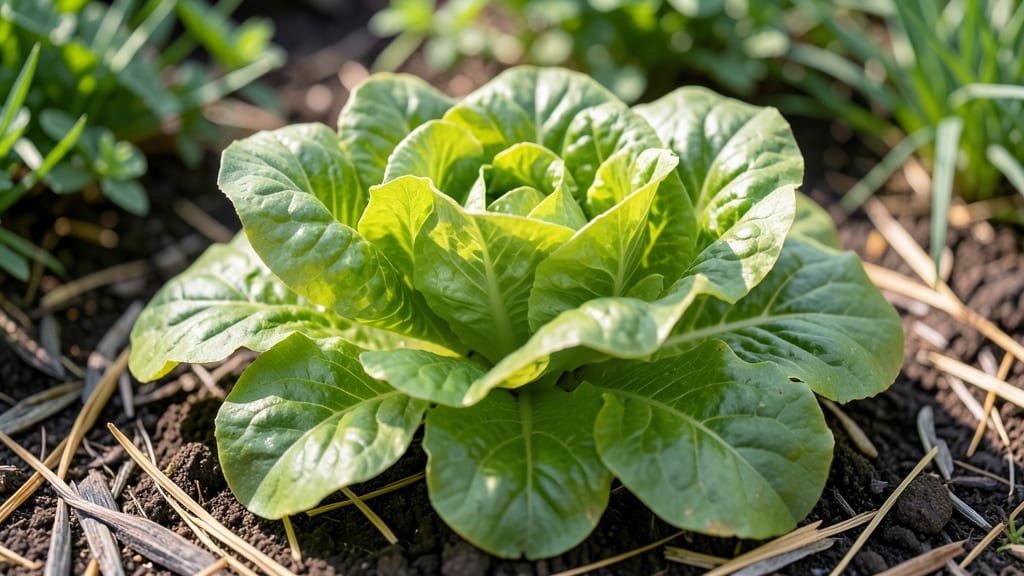
Your first crisp, buttery leaf lettuce plant in just 7 days—no waiting months for slow growers. 🌱 I’ve grown lettuce from seed for years, and this method guarantees fast germination and tender leaves without the fuss of starting from transplants.
The secret? Cool soil, consistent moisture, and the right variety for your space.
You’ll need a shallow container (even a repurposed takeout box works), well-draining potting mix, and seeds from a packet labeled for leaf lettuce—no fancy equipment required. For outdoor growers, choose a spot with partial shade (especially in hot climates) or use a grow light indoors.
Lettuce thrives in cool weather but bolts quickly when temperatures rise above 75°F, so timing matters.
By day 7, you’ll see tiny sprouts popping up, and within 3-4 weeks, you’ll have harvestable leaves. The first few cuts encourage bushier growth, and with proper care, you’ll enjoy weeks of fresh greens straight from your garden. No more wilted store-bought lettuce—just crisp, homegrown goodness.
This method works for indoor windowsills, balcony containers, or raised beds, making it perfect for small spaces or urban gardens. Whether you’re growing for salads, sandwiches, or just the joy of watching something grow, leaf lettuce is the fastest, most rewarding green to start from seed.
📚 In This Guide
- What you need
- Instructions
- Tips and common mistakes
- Wrapping up and next steps
What you need
- ● Leaf Lettuce Seeds – Choose fast-maturing varieties like 'Black Seeded Simpson' or 'Salad Bowl' (packets typically contain 500–1,000 seeds).
- ● Growing Containers – Shallow trays (6–8" deep) or pots with drainage holes (minimum 4" diameter per plant).
- ● Potting Mix – Lightweight, seed-starting mix (avoid garden soil—it’s too dense!).
- ● Watering Can or Spray Bottle – Fine mist setting for gentle watering.
- ○ Grow Lights (Optional but Helpful) – LED bulb (12–16 hours/day) if indoors or low-light conditions.
- ● Plant Labels & Marker – Track varieties and planting dates.
- ● Tweezers or Seed Starter Tool – For precise seed placement.
- ● Fertilizer (Balanced, Low-Nitrogen) – Diluted liquid fertilizer (5-5-5 or 10-10-10) after 2–3 weeks.
- ● Row Covers or Plastic Wrap – Keeps seeds moist during germination (remove once sprouted!).
- ● Pruning Scissors – Harvest outer leaves without damaging the plant.
Step-by-step instructions for growing leaf lettuce from seed
Here’s how to grow crisp, fast lettuce in just 7 days—no fancy equipment needed.
🌱 Step 1: Prepare Containers and Soil for Fast Germination
Use shallow trays or seed-starting flats (4-inch deep works best) with sterile seed-starting mix—never garden soil, which slows germination. Fill containers to ½ inch from the rim and press down lightly to remove air pockets. Moisten the mix until it’s damp like a wrung-out sponge, but not soggy. Lettuce seeds need consistent moisture to sprout quickly.
I like to sprinkle a thin layer of vermiculite (¼ inch) over the soil before planting. This keeps seeds evenly spaced and prevents them from washing away when you water. Use the back of a spoon to create shallow furrows (⅛ inch deep) in rows about 2 inches apart. This organized approach ensures even germination and makes thinning easier later.
💧 Step 2: Sow Seeds and Maintain Ideal Moisture
Scatter lettuce seeds thinly along the furrows—don’t cover them with soil. Lettuce seeds are tiny, so I tap the packet gently to release one seed at a time. Space them ¼ inch apart to avoid overcrowding, which leads to weak, leggy seedlings. Once sown, mist the surface lightly with water until the soil looks uniformly damp but not glistening.
Place the tray in a warm, dark spot (like a closed cabinet or under a towel) to germinate. Lettuce seeds sprout fastest at 65–75°F—a seedling heat mat helps if your home runs cooler. Check moisture daily; the soil should stay consistently damp but never waterlogged. Overwatering now causes seeds to rot before they sprout.
☀️ Step 3: Provide Light and Thin Seedlings for Strong Growth
After 3–5 days, you’ll see tiny green sprouts—this is your signal to move the tray to bright, indirect light (like a south-facing window or grow light). Lettuce needs 12–14 hours of light daily to prevent leggy growth. If seedlings stretch toward the light, raise the grow light to 4–6 inches above them or rotate the tray daily for even growth.
When seedlings reach 1–2 inches tall (around 7–10 days), thin them to 1 inch apart using scissors. Pulling seedlings weakens roots, while cutting at soil level prevents disturbance. Use the thinned seedlings in salads—they’re just as tender! This step ensures your remaining plants have plenty of space to grow into full, crisp leaves.
🌿 Step 4: Harvest Outer Leaves for Continuous Yield
Leaf lettuce is ready to harvest in just 30–40 days from sowing, but you can start picking outer leaves as soon as they’re 2–3 inches long. Use clean scissors to snip leaves at the base, leaving the inner rosette intact. This method encourages continuous regrowth—your plants will keep producing for 4–6 weeks if cared for properly.
Harvest in the morning when leaves are crispest, and avoid cutting more than ⅓ of the plant at once. Water gently after harvesting to replenish moisture lost during leaf removal. If leaves start to bolt (send up flower stalks), move the plants to a cooler spot (50–60°F) or harvest immediately—they’ll turn bitter fast.
Tips & tricks for perfect leaf lettuce growth
Fast germination and crisp harvests start with these key strategies—trust me, these small tweaks make all the difference.
Soil Preparation Secret: The sterile seed-starting mix is non-negotiable—garden soil contains pathogens that slow germination. For even faster results, add a ¼-inch layer of vermiculite before sowing. This creates an ideal seedbed that holds moisture while preventing compaction. Pro tip: Press the soil down lightly after filling containers to eliminate air pockets, which can starve emerging roots of oxygen.
Temperature Matters: Lettuce seeds sprout best between 65–75°F, but consistency is key. If your home runs cooler, place the tray on a seedling heat mat (set to 70°F) during germination. I've seen sprouts appear in just 3 days with this setup, compared to 5–7 days without. Watch for condensation on the container lid—this signals ideal humidity levels.
Light Transition Strategy: When moving seedlings to light after 3–5 days, start with bright indirect light for the first 24 hours to prevent shock. Gradually increase intensity over 3 days to avoid sunburn. I use a simple grow light on a timer for 12–14 hours daily, positioning it 6 inches above the seedlings. This gradual approach prevents the leggy growth that plagues many beginners.
Harvesting Hack: For continuous harvests, I recommend cutting leaves when they reach 2–3 inches rather than waiting for full maturity. This stimulates bushier growth and extends your harvest window to 6 weeks. Always use clean scissors and cut at a 45-degree angle just above the base—this prevents water pooling that can cause rot. Harvest in the morning when leaves are at their crispest and most flavorful.
Pro Tips for Leaf Lettuce Plant
- Fast germination and crisp harvests start with these key strategies—trust me, these small tweaks make all the difference.
- Soil Preparation Secret: The sterile seed-starting mix is non-negotiable—garden soil contains pathogens that slow germination.
- Temperature Matters: Lettuce seeds sprout best between 65–75°F, but consistency is key.
Frequently asked questions
Got questions about growing leaf lettuce?
You’re not alone! Here are answers to the most common queries to help you cultivate crisp, homegrown greens with confidence.
How long does it take for leaf lettuce seeds to sprout?
Leaf lettuce seeds typically sprout in 3–7 days under ideal conditions—warm soil (60–75°F), consistent moisture, and indirect light. For faster germination, pre-soak seeds for 4–6 hours or use a heat mat. Patience pays off, but if nothing appears after 10 days, try fresh seeds!
Can I harvest leaf lettuce before it fully matures?
Leaf lettuce is perfect for cut-and-come-again harvesting. Snip outer leaves when they’re 4–6 inches tall, leaving the inner growth intact. This method extends your harvest by 4–6 weeks and keeps your plants productive. Just avoid cutting more than 1/3 of the plant at once to prevent stress.
Does leaf lettuce need full sun or can it grow in shade?
Leaf lettuce thrives in partial shade (3–6 hours of sun daily), especially in hot climates where direct sun can cause bolting (premature flowering). In cooler regions, it tolerates morning sun + afternoon shade. For shade gardens, choose varieties like ‘Black Seeded Simpson’ or ‘Salad Bowl’, which handle low light better.
What pests or diseases should I watch for in leaf lettuce?
Common issues include:
- Aphids: Tiny green/black bugs on leaves. Blast off with water or use neem oil.
- Slugs: Look for chewed edges at night. Set beer traps or use diatomaceous earth.
- Downy Mildew: Gray mold on undersides of leaves. Improve airflow and avoid overhead watering.
- Bolting: Premature flowering from heat/stress. Plant in spring/fall and keep soil moist.
What’s the best way to store harvested leaf lettuce?
Wrap loose leaves in a damp paper towel, place in a sealed container, and store in the fridge (35–40°F) for 5–7 days. For longer storage, dry leaves thoroughly and freeze in portions. Avoid washing until ready to eat—excess moisture speeds spoilage. Pro tip: Store stems-down to slow wilting!
Wrapping up and next steps
Growing leaf lettuce is a rewarding and quick way to enjoy fresh, homegrown greens in just seven days! With the right soil, sunlight, and care, you’ll have crisp, delicious leaves ready for salads or sandwiches—no green thumb required. 🌱
Ready to dive in? Start by gathering your supplies, then follow the simple steps to sow, nurture, and harvest your lettuce. Your kitchen garden awaits—happy planting! 🌟