
Pests and Diseases
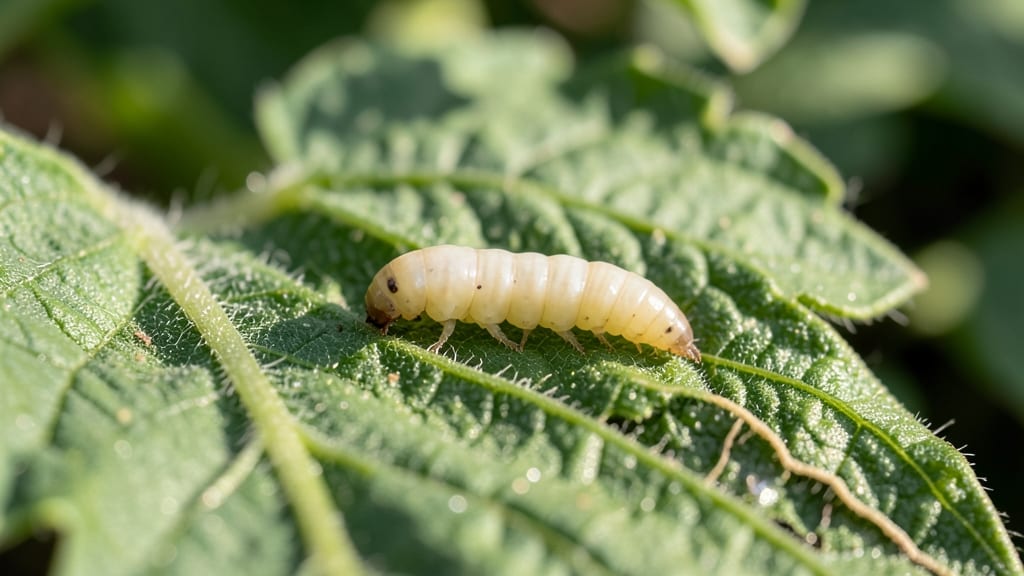
Leaf miner larvae turn your prized plants into skeletal shadows—those squiggly trails ruin leaves faster than you can say "summer garden." 🌿 I've battled them in my basil, tomatoes, and even my prized peppers, and I've cracked the code on 3 plant-safe steps that actually work without harsh chemicals.
The problem starts when tiny yellow flies lay eggs on undersides of leaves, and those larvae chew through tissue like tiny caterpillars.
Most gardeners panic and reach for sprays, but the real fix comes from removing damaged leaves, introducing beneficial wasps, and covering plants early—no fancy tools needed. You'll see results within 2 weeks of consistent action: fewer tunnels, healthier foliage, and plants that keep growing instead of wilting.
The key is acting fast before the damage spreads to new leaves. Works for vegetables, herbs, and ornamentals alike. Here's how to stop them dead in their tracks—naturally.
The Real Culprits Behind Plant Damage
Leaf miner larvae aren’t just a random annoyance—they’re the result of a precise, nature-driven lifecycle that starts with tiny, nearly invisible adult flies. Understanding why these pests target your plants is the first step to stopping them before they cause real harm.
Below, we break down the key factors that turn your healthy foliage into a buffet for these destructive larvae.
Leaf miner larvae don’t appear out of nowhere—they hatch from eggs laid by adult flies, most commonly in the Agromyzidae family (like the serpentine leaf miner). These flies are drawn to plants based on a few critical triggers:
- Host Plant Preference: Certain plants are like all-you-can-eat buffets for leaf miners. Tomatoes, peppers, beans, and basil are top targets because their tender, nutrient-rich leaves provide the perfect environment for larvae to thrive. Why? These plants often have soft, thin leaves that make it easy for larvae to burrow and feed.
- Warm, Humid Conditions: Leaf miner flies are most active during spring and summer, when temperatures hover between 60°F and 85°F (15°C–30°C). Warmth speeds up their metabolism, while humidity keeps their eggs from drying out. Pro tip: If your garden stays consistently moist, you’re rolling out the welcome mat for these pests. 🌡️
- Overcrowded or Stressed Plants: Healthy plants can fend off pests better than those under stress. When plants are nutrient-deficient, waterlogged, or overcrowded, their defenses weaken, making them easier targets. Think of it like this: A well-fed athlete (your plant) can outrun a predator (leaf miner larvae) longer than one running on empty.
Once eggs hatch, the larvae don’t just randomly munch—they follow a methodical feeding pattern that maximizes their survival. Here’s how they decide where to dig in:
- New Growth is Prime Real Estate: Leaf miners prefer young, tender leaves because they’re easier to penetrate and packed with nutrients. Why? Mature leaves often have thicker cell walls, making it harder for larvae to create their signature serpentine tunnels. 🌱
- The Upper Side Advantage: Most larvae start feeding on the top side of leaves because it’s cooler and more protected. They chew between the upper and lower epidermis, creating a safe, hidden tunnel where they can feed undisturbed. Actionable insight: If you spot silver or white squiggly lines on the underside of leaves, that’s a telltale sign of a busy larval buffet on the flip side!
- Chemical Cues Attract Them: Plants under stress or damage release volatile organic compounds (VOCs), which act like a dinner bell for leaf miner flies. These chemicals signal “easy prey ahead!” to adult flies, prompting them to lay more eggs in the area. 💡 Pro tip: Reduce plant stress (proper watering, balanced fertilizing) to cut off this chemical invitation.
Leaf miner infestations aren’t just about the flies—they’re also a product of your garden’s microenvironment. Certain conditions create the perfect storm for these pests:
| Factor | Why It Helps Leaf Miners | How to Disrupt It |
|---|---|---|
| Poor Air Circulation | Stagnant air traps humidity and heat, creating ideal conditions for egg survival and larval growth. | Prune plants for better airflow and avoid overcrowding. |
| Organic Mulch Buildup | Thick mulch can harbor fly pupae over winter, leading to earlier spring infestations. | Use straw or pine needles (less hospitable to pupae) and keep mulch 2–3 inches deep. |
| Monoculture Planting | Planting the same crops year after year attracts specialized pests like leaf miners. | Rotate crops annually and interplant with marigolds or nasturtiums to confuse flies. |
🌡️ Key takeaway: Leaf miners thrive in predictable, high-stress environments. By disrupting their favorite conditions—whether through better spacing, varied planting, or balanced care—you make your garden a much less appealing (and profitable) target.
Quick Fixes for Wormy Leaves
If your plants are showing the telltale signs of leaf miner larvae—serpentine trails, wilting leaves, or papery blisters—don’t panic. These tiny pests are manageable with the right approach.
Below, we break down solutions by cause and action, so you can tackle the problem fast and keep your plants thriving. Prevention tips are sprinkled in to help you avoid future infestations!
Acting quickly is your best defense. If you spot just a few affected leaves, you can often contain the issue before it escalates.
- 👀 Inspect regularly: Check the undersides of leaves (a flashlight helps!) every 3–5 days, especially on new growth. Early signs include tiny white or yellow squiggles.
- 🗑️ Remove damaged leaves: Snip or pluck infested leaves and drop them into a sealed bag or bucket of soapy water. Never compost them!
- 🌿 Isolate infected plants: Move them away from healthy ones to prevent larvae from hopping onto fresh foliage.
Chemical pesticides can harm beneficial insects and the environment. Instead, try these plant-safe sprays to smother or repel larvae:
🔪 Neem Oil Solution (Best for Light Infestations)
A natural insecticide and growth regulator, neem oil disrupts the larvae’s feeding and development.
- Mix 1–2 tablespoons of neem oil with 1 teaspoon of mild soap (like Castile soap) and 1 quart of water.
- Stir well and transfer to a spray bottle.
- Spray both sides of leaves thoroughly, focusing on new growth. Reapply every 5–7 days until the problem clears.
Pro tip: 🌡️ Apply in the early morning or late evening to avoid burning leaves in direct sunlight.
🥘 Diatomaceous Earth (DE) Dust (Physical Barrier)
Food-grade DE is a fine powder that dehydrates larvae on contact. It’s non-toxic but must be reapplied after rain or watering.
- Wear a dust mask and gloves to avoid inhaling the powder.
- Lightly dust the undersides of leaves and soil surface around the plant.
- Avoid overapplying—just a thin, even layer is enough.
Pro tip: ✨ Reapply after watering or rain to maintain effectiveness.
🍋 Horticultural Oil (Smothers Larvae)
Similar to neem oil but with a slightly different mechanism, horticultural oil coats the larvae, cutting off their air supply.
- Mix 1–2 tablespoons of horticultural oil with 1 quart of water.
- Add ½ teaspoon of soap as a spreader-sticker.
- Spray evenly on all leaf surfaces, including stems. Repeat every 7–10 days.
Leaf miners thrive in stressed or nutrient-deficient plants. Boost your plant’s health to make it less appealing to them:
- 💧 Water deeply but less often: Overwatering stresses plants and attracts pests. Let the top inch of soil dry out between waterings.
- 🌿 Fertilize properly: Use a balanced, organic fertilizer (like compost or fish emulsion) to encourage strong growth. Avoid over-fertilizing with nitrogen, which can make plants more susceptible.
- 🌿 Prune for airflow: Trim crowded or dead leaves to improve circulation. Leaf miners love tight, humid environments.
Encourage predatory insects that eat leaf miner larvae. These allies are free and eco-friendly!
- 🐞 Parasitic wasps: Tiny Braconid or Chalcidoid wasps lay eggs inside leaf miner larvae, killing them from within. Release them in the evening for best results.
- 🐞 Ladybugs and lacewings: These beneficial insects devour larvae on sight. Attract them by planting dill, fennel, or yarrow nearby.
- 🐞 Ground beetles: They prey on larvae that fall to the soil. Mulch around plants to create a welcoming habitat.
Pro tip: 🎯 Avoid broad-spectrum pesticides—they’ll kill these helpful bugs along with the pests!
Once you’ve treated an infestation, take steps to prevent future visits:
- 🌿 Rotate crops: If you grow vegetables, avoid planting the same family (like tomatoes or peppers) in the same spot year after year.
- 🌿 Use row covers: For seedlings, place fine mesh fabric over young plants to block adult flies from laying eggs.
- 🌿 Clean up debris: Remove fallen leaves and plant waste from your garden to eliminate hiding spots for larvae.
- 🌿 Interplant with repellents: Grow marigolds, basil, or garlic near susceptible plants—their scents deter leaf miner adults.
With these targeted solutions, you can bid farewell to leaf miner larvae and hello to healthier, happier plants. Consistency is key—stay vigilant, and your garden will bounce back stronger!
Frequently asked questions about leaf miner larvae
What do leaf miner larvae look like?
Leaf miner larvae appear as tiny, pale white or yellowish worm-like creatures about 1/8-inch long. You won't see them directly—their damage is what gives them away. Look for serpentine trails (wavy white or brown lines) on leaves, or small blisters where they've been feeding between leaf layers.
Which plants are most vulnerable to leaf miner larvae?
Leaf miners love tender, nutrient-rich leaves. Tomatoes, peppers, beans, basil, celery, and beets are top targets. Ornamental plants like roses, viburnum, and lilacs can also suffer. The key is soft, thin leaves—these pests avoid tougher foliage like oak or maple.
How long does it take for leaf miner larvae to damage a plant?
Visible damage appears within 7-10 days of eggs hatching. If left untreated, larvae can completely destroy leaves in 2-3 weeks. The good news? Early intervention with neem oil or manual removal stops the cycle fast. The key is catching it before the second generation emerges in late summer.
Can leaf miner larvae survive winter?
Yes, but not in the larval form. Adult flies lay eggs in late summer/fall, and the larvae pupate in the soil, overwintering as pupae. They emerge as adults in spring when temperatures rise above 60°F (15°C). This is why early spring prevention is critical—those pupae are already waiting in your garden beds!
Will my plants recover if I remove all the damaged leaves?
Plants are resilient. Remove all infested leaves (don't compost them!) and the remaining healthy foliage will regrow. For severe cases, prune back 1/3 of the plant to encourage new growth. Just be patient—it may take 3-4 weeks for full recovery, and you'll need to monitor for new eggs during that time.