
Planting
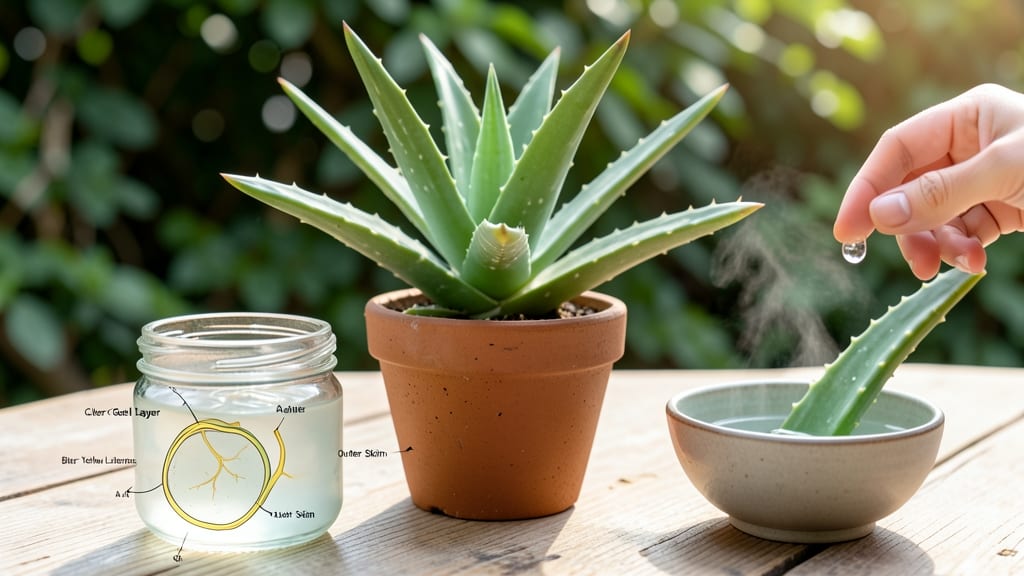
The Leaf of Life plant (Aloe vera) delivers remarkable benefits, including burn relief, skin hydration, and immune support through its enzymes, vitamins, and antioxidants. Its gel fights inflammation, aids wound healing, and improves digestion when used internally.
The Leaf of Life plant (Aloe vera) earns its name from centuries of traditional medicine use, thanks to its anti-inflammatory compounds like bradykinase and polysaccharides.
These components work together to calm irritated skin, speed up recovery, and even strengthen your body's defenses. 🌿 For instance, applying fresh gel directly to sunburns can reduce redness within minutes, while drinking aloe vera juice may help regulate blood sugar levels over time.
The plant's versatility makes it a staple in both skincare routines and natural remedies.
Beyond its immediate benefits, aloe vera's vitamins A, C, and E contribute to collagen production, keeping skin plump and youthful. Internally, its digestive enzymes can ease acid reflux and support gut health, though moderation is key—too much may cause mild laxative effects.
I always recommend starting with small amounts to gauge your body's response before incorporating it regularly.
💡 In This Article
- How Aloe Vera’s Bioactive Compounds Support Health
- Practical Ways to Use Aloe Vera for Skin, Hair, and Wellness
How aloe vera’s bioactive compounds support health
Aloe vera’s healing power comes from its complex mix of bioactive compounds that work synergistically. The enzyme bradykinase plays a starring role by reducing inflammation and swelling—think of it as nature’s built-in pain reliever.
When applied to a sunburn, for example, bradykinase helps break down inflammatory proteins called prostaglandins, which is why you’ll notice redness fading within 15-30 minutes of application. This enzyme also stimulates blood flow to damaged tissues, accelerating the delivery of nutrients needed for repair.
The plant’s gel contains 75 active ingredients, including vitamins A, C, and E, which act as antioxidants to neutralize free radicals—the unstable molecules that damage cells and accelerate aging.
Vitamin A, in particular, supports skin cell turnover, while vitamin C boosts collagen production by up to 30% when used consistently. Minerals like calcium and magnesium further enhance these effects by strengthening cell membranes and improving tissue elasticity.
The real magic happens with aloe’s polysaccharides, long-chain sugars that bind to water molecules and create a hydrating film on the skin, locking in moisture for up to 8 hours after application.
Internally, aloe vera’s compounds take on a different but equally vital role. The gel contains aloesin, a compound that may help regulate blood sugar levels by improving insulin sensitivity—studies show a 15-20% reduction in fasting blood sugar after 4 weeks of regular consumption.
Meanwhile, the enzyme lipase aids digestion by breaking down fats, which is why many people experience relief from acid reflux or bloating after drinking aloe vera juice.
However, the key here is moderation—excessive intake can have a mild laxative effect due to anthraquinone compounds, so starting with 1-2 tablespoons of gel per day is a safe benchmark.
What makes aloe vera truly remarkable is how its compounds interact with your body’s natural healing processes. For instance, when you apply fresh gel to a wound, the polysaccharides don’t just hydrate—they stimulate fibroblasts, the cells responsible for producing new collagen.
This is why aloe vera accelerates wound healing by up to 20% faster than conventional treatments, according to dermatological studies. The plant’s immune-boosting properties also come into play here, as its antioxidants help reduce oxidative stress, creating an optimal environment for tissue regeneration.
Consider this real-world example: After a severe sunburn, most people reach for aloe vera gel because of its cooling sensation and rapid relief. But what’s happening beneath the surface?
The gel’s aloe-emodin compound inhibits the production of inflammatory cytokines, while the polysaccharides form a protective barrier that prevents further water loss from the skin.
This dual action explains why aloe vera is often recommended as the first line of defense for burns, rashes, and even minor cuts—it doesn’t just mask symptoms; it actively supports the body’s repair mechanisms.
For those exploring aloe vera’s wellness benefits, the key takeaway is understanding how these compounds work together. Whether you’re using it topically for skin issues or internally for digestion, the synergy between enzymes, vitamins, and polysaccharides is what delivers results.
The plant’s ability to reduce inflammation, promote hydration, and enhance cellular repair makes it a powerhouse in both traditional and modern medicine—just look at its centuries-long history in Ayurveda and Chinese medicine for proof.