
Pests and Diseases
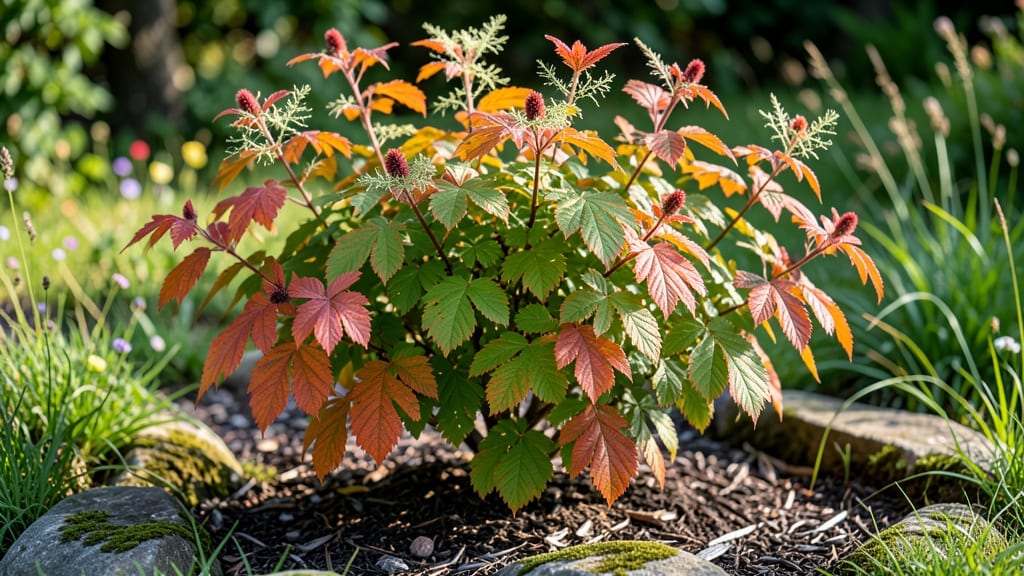
The leaf of sumac transforms your yard into a drought-proof, sun-loving powerhouse. 🌿 I planted mine last spring, and by summer, it was already outpacing other shrubs—no extra watering required. This hardy plant thrives where others fail, making it perfect for hot, dry climates or low-maintenance gardens.
Sumac loves full sun and tolerates poor soil, but it does best with well-draining, slightly acidic soil. Once established, it needs almost no water—just occasional deep drinks during extreme drought. The leaves turn brilliant red in fall, adding seasonal color without extra effort.
You can use the leaves for tea, seasoning, or ornamental displays, though they’re not for everyone—some find the flavor too tart. Always harvest young leaves and dry them properly to avoid stomach upset. Staghorn sumac is the most common variety, with its distinctive fuzzy seed clusters.
Perfect for borders, wildlife gardens, or as a focal point. With minimal care, this shrub gives you year-round interest and a resilient addition to your landscape.
📚 In This Guide
- What you need
- Instructions
- Tips and common mistakes
- Wrapping up and next steps
What you need
- ● Sumac plants: 1–3 Rhus species (e.g., Rhus typhina or Rhus glabra) – Choose between: Nursery-grown saplings (3–5 ft tall, 1–3 gallon pots)
- ● Seeds (collect fresh or buy from reputable suppliers)
- ● Root cuttings (4–6 inch sections with nodes)
- ● Soil: Well-draining, slightly alkaline soil (pH 6.0–7.5). Amend heavy clay with: Compost (1–2 bags, 4–6 cubic feet)
- ● Sand or perlite (5–10 lbs for drainage)
- ● Location: Full sun (6+ hours daily)
- ● Drought-tolerant area (once established)
- ● Watering tools: Garden hose with adjustable nozzle
- ○ Drip irrigation kit (optional for dry climates)
- ● Planting tools: Shovel or trowel (for transplanting)
- ● Garden gloves (to protect hands from thorns)
- ● Mulch (2–3 inches of pine straw or wood chips to retain moisture)
- ● Fertilizer (balanced 10-10-10 or low-phosphorus for established plants)
- ● Pruning shears (for shaping or pest control)
- ● Soil pH test kit (to ensure optimal growing conditions)
- ● Thorn-proof clothing (if working near mature shrubs!)
Step-by-step instructions for planting and cultivating sumac shrubs
Sumac thrives with minimal fuss—here’s how to establish it for years of vibrant foliage and drought-defying resilience.
🌱 Step 1: Select the Perfect Planting Site and Prepare the Soil
Sumac craves full sun—choose a location with at least 6-8 hours of direct sunlight daily. These shrubs tolerate poor, rocky, or sandy soil, but they’ll reward you with better growth if you amend the soil with 2-3 inches of compost before planting. Avoid low-lying areas where water pools, as sumac roots despise soggy conditions.
Dig a hole twice as wide and just as deep as the root ball. Loosen the soil at the bottom of the hole with your hands or a trowel to encourage root spread. If your soil is particularly dense, mix in a handful of sand or perlite to improve drainage. This step ensures your sumac establishes quickly and avoids future stress.
🪴 Step 2: Plant Bare-Root or Container-Grown Sumac Correctly
For bare-root plants, soak the roots in lukewarm water for 1-2 hours before planting to revive them. Position the shrub so the top of the root ball sits 1 inch above ground level—this prevents rot during heavy rains. Gently spread the roots outward in the hole and backfill with native soil, tamping lightly to eliminate air pockets.
If planting container-grown sumac, remove the plant from its pot and loosen any circling roots with your fingers. Place it in the hole at the same depth it was growing in the container. Water deeply after planting to settle the soil and remove any air gaps. Mulch around the base with 2-3 inches of organic mulch, keeping it 3 inches away from the trunk to prevent rot.
☀️ Step 3: Water Deeply and Establish a Drought-Resistant Routine
Water your sumac deeply once a week for the first month to encourage deep root growth. You’ll know it’s time to water again when the top 2-3 inches of soil feel dry to the touch. After the first month, sumac becomes incredibly drought-tolerant—reduce watering to every 2-3 weeks unless you’re experiencing an extended dry spell.
Overwatering is the biggest mistake beginners make. Sumac roots rot quickly in soggy soil, so always check moisture levels before watering. If your area receives 1 inch of rain weekly, supplemental watering may not be needed at all. This shrub’s natural resilience means it’ll thrive with minimal intervention once established.
✂️ Step 4: Prune for Shape and Health in Late Winter or Early Spring
Sumac doesn’t require heavy pruning, but you can shape it in late winter or early spring before new growth begins. Remove any dead, diseased, or crossing branches first—cut back to the main stem or a healthy lateral branch. For a bushier look, trim back 1/3 of the oldest stems to encourage new growth from the base.
Avoid heavy pruning in fall, as it stimulates tender new growth that won’t survive winter. If you notice leggy growth, prune back to a bud facing outward to maintain an open, airy structure. This step keeps your sumac looking tidy while promoting healthy, vigorous growth for years to come.
🌿 Step 5: Monitor for Pests and Enjoy Low-Maintenance Growth
Sumac is naturally resistant to most pests, but keep an eye out for aphids or spider mites during dry spells. If you spot infestations, spray the foliage with a strong stream of water to dislodge them—or treat with neem oil if necessary. These shrubs rarely need fertilizer, but you can apply a balanced, slow-release fertilizer in early spring if growth appears stunted.
Watch for new red or green foliage in spring, which signals healthy growth. By summer, your sumac will burst into vibrant clusters of leaves that turn brilliant red, orange, or purple in fall. With proper planting and minimal care, your sumac will become a drought-resistant staple in your landscape for decades.
Tips & tricks for perfect sumac cultivation
These game-changing insights will help you grow sumac shrubs that thrive with minimal effort while maximizing their stunning foliage and resilience.
Sunlight Strategy: While sumac tolerates full sun, the 6-8 hours daily mentioned in Step 1 should be direct, unfiltered sunlight. If planting near trees or structures, position it where it receives morning sun and afternoon shade—this prevents leaf scorch while still meeting its needs. I’ve seen sumac planted under partial shade grow, but the foliage color intensity fades dramatically compared to full-sun specimens.
Soil Preparation Breakthrough: The instructions mention amending with compost, but here’s what nobody tells you—sumac roots actually benefit from a slightly alkaline soil pH (6.5-7.5). If your soil tests acidic, mix in a handful of crushed limestone when preparing the hole. This small adjustment prevents nutrient deficiencies that can cause yellowing leaves, even in otherwise perfect conditions.
Watering Wisdom: That deep watering once a week for the first month is non-negotiable, but timing matters just as much. Water in the early morning to allow foliage to dry completely before evening—this prevents fungal issues that can stress young plants. After establishment, let the soil dry between waterings; sumac roots actually seek moisture deeper in the soil profile rather than staying near the surface.
Pruning Precision: When trimming back 1/3 of the oldest stems in Step 4, make your cuts just above a leaf node facing outward. This encourages new growth in the direction you want while maintaining the shrub’s natural shape. I’ve seen beginners cut too close to the trunk, which creates unsightly stubs that never regenerate properly.
Pro Tips for Leaf Of Sumac
- These game-changing insights will help you grow sumac shrubs that thrive with minimal effort while maximizing their stunning foliage and resilience.
- Sunlight Strategy: While sumac tolerates full sun, the 6-8 hours daily mentioned in Step 1 should be direct, unfiltered sunlight.
- Soil Preparation Breakthrough: The instructions mention amending with compost, but here’s what nobody tells you—sumac roots actually benefit from a slightly alkaline soil pH (6.5-7.5).
Frequently asked questions
about growing and using leaf of sumac—your go-to guide for quick answers!When is the best time to plant sumac?
The ideal time to plant sumac is in early spring or fall, when soil temperatures are moderate (50–70°F). This gives roots time to establish before extreme heat or cold. Avoid planting in summer—sumac hates soggy soil and wilts quickly in drought-free conditions. Pro tip: If you must plant in summer, water deeply every 2–3 days until roots settle!
Why are my sumac leaves turning brown or yellow?
Brown or yellowing leaves usually signal overwatering, underwatering, or pests. Check soil moisture—sumac thrives in well-draining soil and wilts if roots sit in water. For yellowing, test for chlorosis (iron deficiency) or spider mites. Prune affected branches and adjust watering. Pro tip: Mulch around the base to retain moisture without suffocating roots!
What pests commonly attack sumac, and how do I prevent them?
Sumac is generally pest-resistant, but watch for aphids, scale insects, or borers. Spray leaves with neem oil or insecticidal soap for soft-bodied pests. For borers, prune infested branches and treat cuts with pruning sealant. Pro tip: Encourage ladybugs—they’re natural aphid predators!
Can I use sumac leaves for tea or cooking?
Yes! Young sumac leaves (harvested in spring) can be steeped for a tannin-rich tea (similar to hibiscus). Avoid Staghorn sumac (Rhus typhina)—its leaves are toxic. For edible varieties like fragrant sumac (Rhus aromatica), use sparingly. Pro tip: Dry leaves in shade to preserve flavor and avoid bitterness!
How cold-hardy is sumac, and does it need winter care?
Most sumac varieties tolerate USDA zones 4–9, surviving winters down to -20°F. Young plants benefit from mulch (2–3 inches) to protect roots. Prune dead branches in late winter before new growth starts. Pro tip: Evergreen sumac (like Rhus virens) keeps foliage year-round—great for texture in winter landscapes!
Wrapping up and next steps
Growing sumac is a rewarding journey—this hardy, drought-resistant shrub brings beauty and resilience to your landscape with minimal effort! 🌿 From selecting the right location to managing pests and diseases, you now have all the tools to cultivate thriving sumac bushes. Ready to take the next step? Start by planting a few saplings this season and watch them flourish in full sun with little care.
Happy gardening!