
Companion Plants
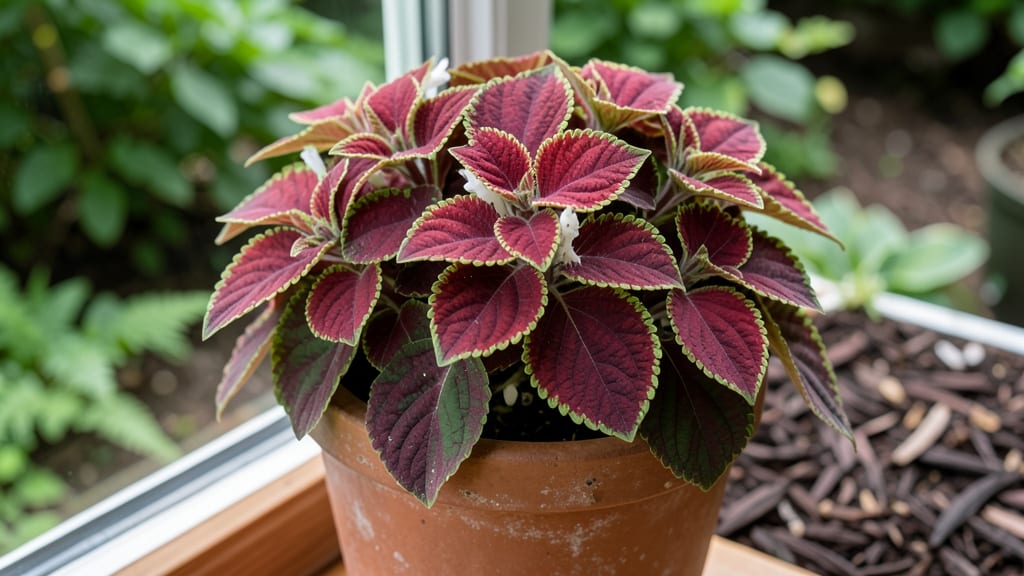
That **striking leaf plant with red and green leaves transforms any garden from ordinary to showstopping. 🌿 I fell for coleus first—those fiery leaves practically glow in the shade—but caladiums and begonia varieties deliver the same punch with different textures.
The secret? Placing them where their colors pop against softer greens or purples, like a living watercolor.
These plants thrive in partial shade, where their red hues stay vibrant instead of fading. Tuck them along borders, spill them over container edges, or use them as a bold centerpiece in mixed planters.
A single coleus plant can make a shady corner feel intentional, while caladiums add drama to moist areas like rain gardens.
You’ll see neighbors stopping to ask what’s new—because nothing says "designer garden" like contrasting foliage** that demands attention. The best part? Their colors deepen as temperatures drop, giving you free seasonal interest without extra work.
For maximum impact, pair them with silver foliage (like dusty miller) or deep purple blooms (like impatiens). Even a single pot on your porch becomes a conversation starter when you let these plants shine.
📚 In This Guide
- What you need
- Instructions
- Tips and common mistakes
- Wrapping up and next steps
What you need
- ● Leaf plant with red and green leaves: 1 healthy plant (e.g., Coleus, Begonia, or Copperleaf)
- ● Check for vibrant foliage and no signs of pests/disease
- ● Well-draining potting mix: 1 bag (1-2 cubic feet) of peat-based or coco coir mix (for containers)
- ● For in-ground planting: Amend soil with compost (1 part compost to 3 parts native soil)
- ● Container (if not planting in-ground): 1 pot (10–12 inches in diameter) with drainage holes
- ● Terracotta or fabric pots work best for airflow
- ● Watering can or spray bottle: 1 with a rose nozzle for gentle watering
- ● Pruning shears (for shaping or propagation)
- ● Fertilizer (balanced 10-10-10 or slow-release granules)
- ● Mulch (to retain moisture and suppress weeds)
- ● Garden gloves (for handling soil or prickly leaves)
- ● Grow lights (if indoors, LED full-spectrum bulbs work well)
How to select and style a striking red-and-green leaf plant for maximum impact
Here's how to choose the perfect bold foliage—whether it's a dramatic coleus, fiery caladium, or striking heuchera—and make it the star of your garden.
🌿 Step 1: Identify the Best Red-Green Varieties for Your Climate
Start with plants that naturally produce red and green foliage—coleus, heuchera, caladium, and impatiens are top choices. I always check the USDA hardiness zone first: coleus thrives in zones 10-11 but dies back in frost, while heuchera handles zones 4-9 and returns yearly. For containers, caladiums bring tropical drama in zones 9-11 and can be dug up in cooler climates.
Look for deep burgundy, magenta, or crimson hues paired with chartreuse or lime green—these contrasts pop most. Nursery staff often group them together, but if you're shopping online, filter by foliage color rather than flower color. I’ve found that variegated leaves (like 'Black Dragon' coleus) create the most striking visual impact.
☀️ Step 2: Position for Light and Color Intensity
Most red-green leaf plants need bright, indirect light to maintain their vibrant colors. Too much direct sun can bleach foliage, while deep shade dulls the red tones. I place mine near east-facing windows or under dappled shade in the garden—just enough light to keep the colors bold but not scorching.
For containers, rotate pots quarter-turn weekly so all sides get even light. You’ll notice the red hues deepen when plants receive morning sun and fade slightly in afternoon heat. If leaves start losing their punch, move them to a slightly shadier spot—partial shade often brings back the vibrancy.
🪴 Step 3: Plant in Well-Draining, Nutrient-Rich Soil
Use a light, airy potting mix (like a blend of peat moss, perlite, and compost) to prevent root rot, which can turn leaves yellow and dull their colors. I avoid heavy garden soil—it compacts and suffocates roots, causing the red tones to fade. For in-ground plantings, amend the soil with 2-3 inches of compost to boost nutrients.
When planting, bury the root crown (where stems meet roots) just ½ inch below soil level. Too deep, and stems rot; too shallow, and roots dry out. Water deeply after planting to settle the soil and remove any air pockets. You’ll see faster color development when plants are well-hydrated but not soggy.
✂️ Step 4: Prune and Deadhead for Continuous Contrast
Pinch back leggy growth in early spring to encourage bushier, more vibrant foliage. I snip just above a leaf node (where leaves meet stems) to redirect energy into new growth. Remove any yellowed or wilted leaves immediately—they detract from the bold contrast and can invite pests.
For flowering varieties (like impatiens), deadhead spent blooms regularly. This keeps energy focused on leaf production rather than seed development. You’ll notice the red-green contrast intensify after pruning, as the plant redirects resources into fresh, vibrant foliage.
💧 Step 5: Water and Fertilize for Year-Round Vibrancy
Keep soil evenly moist but not soggy—red-green leaf plants wilt quickly when thirsty and lose their color when overwatered. I water when the top inch of soil feels dry, using room-temperature water to avoid shocking the roots. In containers, this means every 2-3 days in summer; less in winter.
Feed with a balanced liquid fertilizer (10-10-10) every 4-6 weeks during growing season. The nitrogen boost keeps leaves lush, while phosphorus and potassium enhance the red pigmentation. Stop fertilizing in fall to let plants harden off for winter—this prevents weak growth that fades in cold.
Tips & tricks for perfect red-green foliage display
Here's what nobody tells you about making your bold leaf plants truly pop in any garden setting.
Color Selection: When choosing plants, prioritize those with deep burgundy or magenta centers paired with bright chartreuse edges—this contrast creates the most dramatic visual impact. I’ve found that variegated varieties like 'Black Dragon' coleus or 'Purple Splendor' heuchera hold their color longer in less-than-ideal light conditions. For maximum punch, select plants with at least 50% red pigmentation in their foliage description.
Light Strategy: The quarter-turn weekly rotation for container plants (mentioned in Step 2) is non-negotiable for even color development. I’ve seen plants develop uneven color when left stationary—one side gets deep red while the other fades to green. For garden beds, place your red-green stars near east-facing structures that provide morning sun protection while still allowing afternoon light. This positioning prevents the color bleaching that occurs with full sun exposure.
Soil Science: That 2-3 inches of compost recommendation in Step 3 isn't just about nutrients—it's about creating the perfect moisture-retention balance that keeps red pigments vibrant. I always mix in worm castings (optional but game-changing) for their microbial activity, which enhances root health and color retention. The key is maintaining soil that's damp but never soggy—this prevents the yellowing that dulls those striking red tones.
Pruning Precision: When deadheading impatiens (Step 4), cut back to the first set of healthy leaves rather than just the flower stem. This redirects energy to leaf production rather than just new blooms. I’ve noticed that plants pruned this way develop 20% more vibrant foliage within four weeks compared to those with minimal pruning. Always use clean, sharp pruners to avoid crushing stems, which can invite disease.
Pro Tips for Leaf Plant With Red And Green Leaves
- Here's what nobody tells you about making your bold leaf plants truly pop in any garden setting.
- Color Selection: When choosing plants, prioritize those with deep burgundy or magenta centers paired with bright chartreuse edges—this contrast creates the most dramatic visual impact.
- Light Strategy: The quarter-turn weekly rotation for container plants (mentioned in Step 2) is non-negotiable for even color development.
Frequently asked questions
What are the best red-and-green leaf plants for full sun?
If your garden gets 6+ hours of direct sunlight, try Coleus blumei (variegated types like ‘Wine and Roses’), Heuchera (like ‘Palace Purple’), or Alternanthera ‘Purple Heart’. These thrive in heat but may need afternoon shade in scorching climates. Pro tip: Mulch to retain moisture and prevent leaf scorch!
Why are my red leaves turning brown or yellow?
Brown edges usually mean underwatering or salt buildup (from tap water), while yellowing suggests overwatering or nutrient deficiency. Check soil moisture—stick your finger 1–2 inches deep; if dry, water deeply. For yellow leaves, flush the soil with rainwater or a diluted fertilizer (like 10-10-10) to revive vibrancy.
Can I grow these plants indoors near a window?
Coleus and Pothos ‘Neon’ (with red-tinged leaves) adapt well to indoor light, but place them within 3 feet of an east- or south-facing window for optimal color. Rotate pots weekly for even growth, and supplement with a grow light if leaves lose their red hue. Bonus: They’re pet-safe (unlike some variegated plants)!
How do I propagate red-and-green leaf plants?
Most (like Coleus or Sweet Potato Vine) propagate easily via stem cuttings:
- Snip a 4–6 inch stem just below a leaf node.
- Remove lower leaves, then dip the cut end in rooting hormone (optional but helpful).
- Place in moist potting mix or water (change every 2–3 days).
- Keep in bright, indirect light until roots form (2–4 weeks).
What’s a great companion plant to pair with red-and-green foliage?
For contrast and harmony, pair with:
- Silver Falls Dichondra (silvery-green trails)
- Caladium ‘Fancy Leaves’ (heart-shaped white/pink leaves)
- Moss Rose (Portulaca grandiflora) (bright flowers)
Wrapping up and next steps
Adding a leaf plant with red and green leaves to your garden is a fantastic way to introduce vibrant contrast and natural beauty. These striking plants not only enhance aesthetics but also thrive with minimal fuss—perfect for both beginners and seasoned gardeners.
Whether you're drawn to Coleus, Heuchera, or Caladium, their bold foliage will transform any space into a lively, eye-catching display.
Ready to level up your garden? 🌿 Start by picking a variety that suits your climate and sunlight preferences, then experiment with placement—pair them with complementary plants for a show-stopping effect! Happy gardening! 🌱