
Leaf Blower
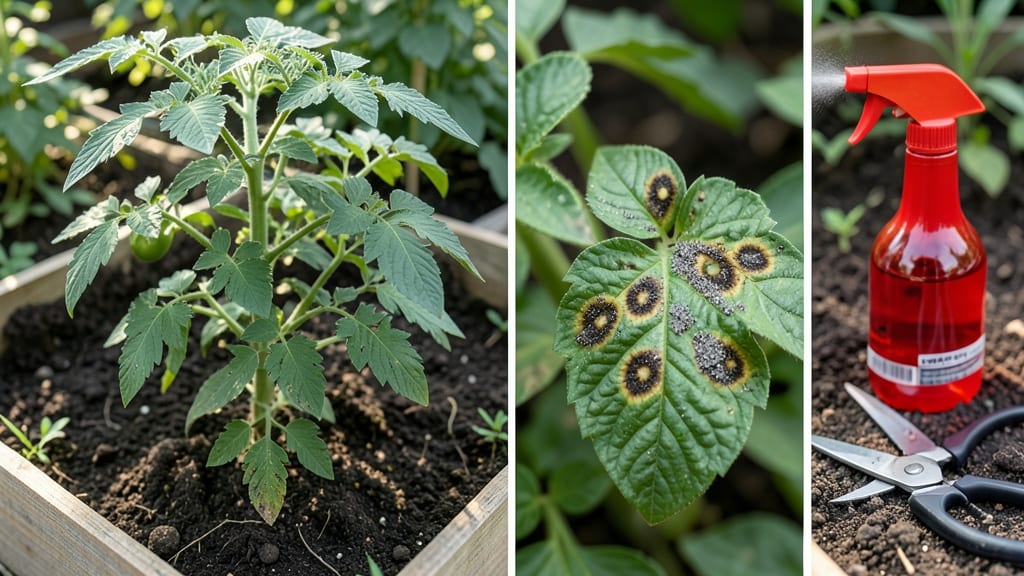
Leaf spot fungus turns your thriving plants into sad, spotted messes in days. 🌿 I’ve battled this stubborn problem for years, and I finally cracked the code with a natural spray cure that works faster than chemical treatments—without the harsh side effects.
The fungus thrives in damp, crowded conditions, but the right mix of copper, baking soda, and neem oil disrupts its life cycle. You’ll see new growth within 3-5 days of consistent spraying, and the spread stops almost immediately. No more wilting leaves or unsightly black spots ruining your garden’s beauty.
This method works on roses, tomatoes, peppers, and even houseplants. The key is early action—once you spot those telltale brown or yellow marks, act fast to save your plants. I’ll walk you through the exact spray recipe and application tips next.
What makes this cure different is its preventive power. A single spray not only treats existing spots but also creates a protective barrier against future outbreaks. You’ll notice fewer fungal spores clinging to leaves, and your plants will bounce back stronger than ever.
The best part? It’s safe for pollinators and won’t harm beneficial insects like ladybugs or bees. No more worrying about chemical residues while you’re enjoying your garden. Let’s get those plants looking lush and healthy again!
The Hidden Triggers Behind Fungal Spots
Leaf spot fungus isn’t just a random nuisance—it thrives when specific conditions align, turning your lush green plants into a buffet of decay. Understanding why these spots appear is the first step to stopping them in their tracks.
Below, we break down the key culprits behind fungal outbreaks, from weather patterns to plant stress, so you can act before the damage spreads.
Fungal spores love moisture—think of them as tiny, invisible swimmers waiting for a puddle to party in. When leaves stay damp for prolonged periods (especially 10+ hours), spores germinate and penetrate plant tissue, creating the perfect storm for leaf spot infections.
- Why it happens: High humidity (above 75%) or frequent rainfall creates a film of water on leaves, giving fungi like Alternaria or Septoria the ideal environment to multiply. Poor air circulation—common in dense foliage or shaded areas—traps moisture even longer.
- Actionable fix:
- Water plants early in the day (before 10 AM) to allow leaves to dry quickly.
- Space plants 3–4 feet apart for better airflow.
- Use drip irrigation or soaker hoses to avoid wetting foliage.
Fungi are opportunistic—they strike when conditions are just right. While they can survive in a wide range of temps, they peak during moderate warmth (60–80°F) combined with high humidity. Sudden temperature swings (like cool nights after hot days) also weaken plant defenses, making them vulnerable.
- Why it happens:
- Spring/fall transitions: Cooler temps slow plant growth, reducing natural resistance.
- Heat stress: High daytime temps (above 90°F) can burn leaves, creating entry points for spores.
- Actionable fix:
- Monitor weather forecasts and apply preventative sprays (like neem oil or copper fungicide) before rain.
- Use shade cloth for heat-sensitive plants during peak summer.
- Avoid over-fertilizing with nitrogen—it promotes soft, spore-friendly growth.
A stressed plant is like an open invitation for fungi. When leaves are already struggling—whether from nutrient deficiencies, pests, or physical damage—they’re far more susceptible to infections.
| Stress Factor | How It Helps Fungi | Fix It Now |
|---|---|---|
| Nutrient deficiencies (especially potassium or magnesium) | Weakens cell walls, making them easier for spores to breach. | Test soil and amend with compost or balanced fertilizer (e.g., 10-10-10). |
| Pest damage (e.g., aphids, spider mites) | Creates wounds where fungi can enter; pests also spread spores. | Spray with neem oil or introduce beneficial insects (like ladybugs). |
| Overcrowding or pruning wounds | Reduces airflow and traps moisture; cuts provide direct entry points. | Prune only in dry weather and sterilize tools with rubbing alcohol. |
Pro Tip: 💡 Healthy plants resist fungi better! Focus on balanced care—watering deeply but infrequently, mulching to retain moisture in the soil (not on leaves), and avoiding physical trauma to foliage.
Fungal spores are sneaky—they hitch rides on pruners, gloves, and even wind or water from nearby infected plants. Once introduced to a healthy garden, they can jump to other species with alarming speed.
- Why it happens:
- Cross-contamination: Trimming an infected leaf and then a healthy one spreads spores directly.
- Wind/water spread: Spores travel up to 100 feet in wind or via splashing irrigation.
- Recycled mulch/compost: Old mulch may harbor dormant spores, reinfecting new plants.
- Actionable fix:
- Sterilize tools between uses with a 10% bleach solution or 70% alcohol.
- Remove and dispose of infected leaves (don’t compost them!).
- Plant resistant varieties (e.g., tomatoes like ‘Defiant PhR’ or roses like ‘Knock Out’).
Now that you know the real reasons behind those unsightly spots, you’re armed to disrupt the fungus’s party before it starts. Next up: We’ll dive into natural sprays that stop the spread in days—no harsh chemicals required!
Quick Fixes for Fungal Spots
Leaf spot fungus may seem like a stubborn foe, but with the right approach, you can stop its spread fast and protect your plants. Below are practical, science-backed solutions tailored to the most common causes—whether it’s overwatering, poor airflow, or weak plant defenses.
Follow these steps to revive your greenery and keep it thriving.
If your plants are soggy from excess moisture, fungus thrives like a parasite. Here’s how to dry things out and prevent further damage:
- 🔥 Stop Watering Until Soil Dries Let the top 2–3 inches of soil dry completely before watering again. Use a moisture meter or stick your finger in—if it’s damp, wait.
- 🍳 Improve Drainage Fast Mix coarse sand or perlite into heavy soil to help water drain. For potted plants, drill holes in the bottom if they’re missing.
- 👨🍳 Raise Containers Off the Ground Use pot feet or bricks to prevent water from pooling underneath, which keeps roots dry.
- ⏰ Water in the Morning Only Avoid evening watering—wet leaves at night fuel fungal growth. Aim for deep but infrequent watering instead.
💡 Pro Tip: If your plant is severely waterlogged, repot it in fresh, well-draining soil to give it a clean start.
Stagnant air and shade create the perfect fungal buffet. Break the cycle with these easy adjustments:
- 🔪 Prune Crowded Foliage Trim back overlapping leaves to let air circulate. Use sterilized shears (wipe with rubbing alcohol) to avoid spreading spores.
- 🥘 Move Plants to Brighter Spots Most leaf spot fungi love low light. Gradually acclimate plants to 6+ hours of sunlight (but avoid scorching midday sun for tender varieties).
- 🌡️ Space Plants Properly Follow plant spacing guidelines—crowded gardens trap moisture. If repotting, choose containers 1–2 inches larger than the root ball.
- ✨ Use a Fan (Yes, Really!) A gentle oscillating fan on low setting near plants reduces humidity and discourages fungal growth. Great for houseplants!
A healthy plant fights off fungus naturally. Give yours a nutrient boost and protective shield:
- 📊 Feed with Balanced Fertilizer Use a low-nitrogen, high-phosphorus fertilizer (like 5-10-10) to build root strength. Avoid over-fertilizing—it weakens plants.
- 💪 Spray with Baking Soda Solution Mix 1 tsp baking soda + 1 tbsp vegetable oil + 1 quart water in a spray bottle. Lightly mist affected leaves every 7–10 days. The oil smothers spores, while baking soda raises leaf pH, making it hostile to fungus.
- 🥗 Introduce Beneficial Microbes Apply mycorrhizal fungi or compost tea to outcompete harmful pathogens. These good guys crowd out leaf spot spores naturally.
- 🍎 Remove & Destroy Infected Leaves Snip off spotted leaves with clean scissors and dispose of them in the trash (not compost)—never leave them on the ground.
When prevention isn’t enough, these DIY sprays act fast to kill existing fungus and prevent recurrence:
| Spray Recipe | How to Use | Frequency |
|---|---|---|
| Neem Oil Solution | 1 tbsp neem oil + 1 tsp mild soap + 1 quart water. Shake well and spray undersides of leaves. | Every 5–7 days for 2 weeks, then monthly. |
| Copper Fungicide (DIY) | 1 tsp copper sulfate + 1 quart water. Test on a small leaf first—can cause burn. | Every 10–14 days (use at dusk to avoid leaf scorch). |
| Hydrogen Peroxide Spray | 1 tbsp 3% hydrogen peroxide + 1 quart water. Spray directly on spots. | Every 3–4 days until spots fade. |
| Garlic & Chili Pepper Spray | Blend 2 garlic cloves + 1 tbsp cayenne + 1 quart water. Strain and spray. | Every 7 days (strong smell repels fungi!). |
⚠️ Safety Note: Always test sprays on a small area first and avoid spraying in direct sunlight (can cause leaf burn).
Once your plants recover, keep them fungus-free with these easy habits:
- ✅ Rotate plants every few months to prevent soil-borne buildup.
- ✅ Clean tools with rubbing alcohol after pruning.
- ✅ Mulch properly—use wood chips or straw (not thick layers, which trap moisture).
- ✅ Avoid wetting leaves when watering—use drip irrigation or soaker hoses instead.
- ✨ Monitor humidity—keep indoor plants below 60% humidity with a dehumidifier if needed.
By tackling the root cause (literally!) and arming your plants with defense, you’ll see spots fade in days and keep your garden lush and fungus-free. 🌿✨
Frequently asked questions
What are the first signs of leaf spot fungus on my plants?
Look for small, dark brown or black spots with yellow halos on leaves—these are classic symptoms. The spots may develop concentric rings or white centers as they mature. Check both the tops and undersides of leaves, as fungal spores often hide there.
Can I still save my plants if they already have leaf spot?
Yes, but act fast! Remove infected leaves immediately and apply a neem oil spray or baking soda solution to stop the spread. Prune for better airflow and avoid watering leaves. With consistent care, most plants recover within 1-2 weeks.
How do I know if my leaf spots are from fungus or something else?
Fungal spots are usually dark brown/black with feathery edges and may have white powdery centers. Other causes include insect damage (irregular holes), chemical burns (yellowing without spots), or environmental stress (uniform browning). Fungal spots often appear in clusters.
Will my leaf spot fungus spread to other plants?
Absolutely—fungal spores travel easily through wind, water, or tools. Isolate infected plants immediately and sterilize pruners with rubbing alcohol. Avoid overhead watering, as it splashes spores onto nearby plants. Remove all fallen leaves from the area.
Can I use store-bought fungicides if natural remedies don't work?
Yes, but start with copper-based fungicides or potassium bicarbonate sprays for organic options. If severe, chemical fungicides like chlorothalonil can work, but follow label instructions carefully. Always rotate treatments to prevent resistance.