
Pests and Diseases
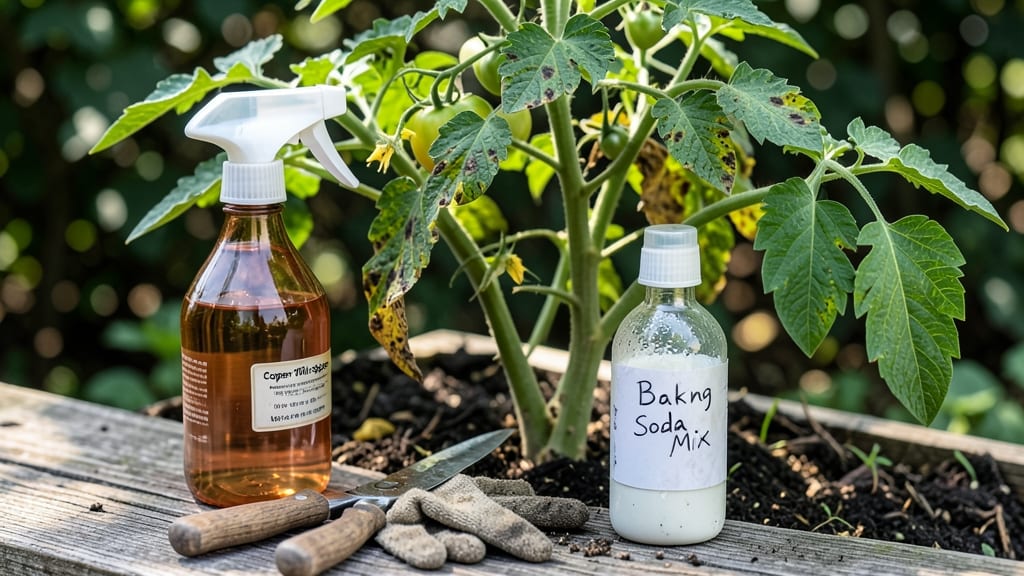
A simple leaf spot treatment with neem oil transformed my tomato plants from sad, spotted leaves to vibrant green canopies in just two weeks. 🌿 Leaf spot diseases—those ugly brown or yellow splotches—can turn healthy foliage into a mess, but neem oil is the organic superhero that stops the spread and heals what’s left.
The problem starts with too much moisture, poor air circulation, or old leaves hanging around. Fungal and bacterial leaf spots love these conditions, and once they take hold, they multiply fast. I’ve seen them ruin entire rose bushes and pepper plants if I didn’t act quickly—but neem oil changes that.
You’ll spray the solution on a dry morning, and within days, new growth emerges spot-free. The leaves stay glossy, the plants keep producing, and you avoid harsh chemicals. It’s the difference between a garden that fights for survival and one that thrives.
Works on roses, tomatoes, peppers, and even houseplants. Let’s get those leaves looking healthy again—no more brown stains ruining your hard work.
Root Causes of Leaf Spots
Leaf spots aren’t just random blemishes—they’re often a symptom of underlying stress or infection in your plants. Understanding the why behind these unsightly marks is the first step to preventing them.
Let’s break down the most common culprits, from fungal invaders to environmental triggers, so you can tackle the problem at its source.
Fungi are the #1 cause of leaf spots, thriving in warm, humid conditions. These microscopic organisms release spores that land on leaves, germinate, and create dark, often ringed or irregular spots. Common fungal pathogens include:
- Alternaria: Causes brown or grayish spots with concentric rings, often appearing during wet weather. Pro tip: This fungus loves high humidity—think of it as a "rainy-day specialist." 🌧️
- Septoria: Produces small, dark spots with tiny black specks (fruiting bodies) in the center. It’s particularly aggressive on tomatoes, beans, and ornamentals.
- Anthracnose: Creates sunken, water-soaked spots that enlarge and merge, turning leaves yellow or brown. This one’s a big problem for fruit trees and shrubs.
- Powdery Mildew (yes, it counts!): While it looks like a white dust, it can leave behind yellow or brown patches as it spreads. It’s a surface-level fungus that thrives on poor air circulation.
Why it happens: Fungal spores are everywhere—in soil, water, and even the air. They only cause trouble when conditions are just right:
- 🌡️ Warm temperatures (60–85°F): The fungal "sweet spot" for growth.
- 💧 High humidity or prolonged leaf wetness: Think of it like a fungal spa—moisture = happy spores.
- 🍃 Poor air circulation: Dense foliage traps moisture, giving fungi a cozy home.
- 🌱 Stressed plants: Weak or nutrient-deficient plants are easier targets for infection.
Not all leaf spots are caused by pathogens—sometimes, your plant’s environment is the villain. Extreme or inconsistent conditions can weaken leaves, making them susceptible to damage or secondary infections.
| Stressor | How It Causes Spots | Actionable Fix |
|---|---|---|
| ❄️ Cold or Frost Damage | Freezing temps rupture cell walls, creating water-soaked, brown spots. Common in tomatoes, peppers, and tender perennials. | Use row covers or mulch to protect plants in frost-prone areas. 🌡️ |
| ☀️ Sun Scorch | Intense sunlight + dry conditions = crispy, white or brown patches (often on leaf edges). Happens to newly transplanted or drought-stressed plants. | Gradually acclimate plants to full sun (hardening off) and ensure consistent watering. 💦 |
| 💦 Overwatering or Poor Drainage | Soggy soil leads to root rot, which starves leaves of nutrients. Spots may appear yellow or brown with a mushy texture. | Improve drainage with perlite or sand. Water only when the top 1–2 inches of soil are dry. 🌱 |
| 🌀 Wind or Hail Damage | Physical trauma creates irregular, torn spots. Often mistaken for disease! | Use windbreaks or protect plants during storms. Prune damaged leaves to prevent bacterial entry. ⚡ |
Some pests don’t cause leaf spots directly, but their feeding weakens leaves, making them vulnerable to fungal or bacterial infections. Think of them as the "door openers" for real trouble.
- Sap-Sucking Insects (Aphids, Spider Mites, Whiteflies):
- 🔍 How they help: Their saliva contains toxins that discolor leaves, creating yellow or brown stippling. Damaged areas are prime real estate for fungi like Alternaria.
- 💡 Pro tip: Check the undersides of leaves for sticky residue (honeydew) or tiny webs—signs of an infestation. 🕷️
- Chewing Insects (Caterpillars, Japanese Beetles):
- 🍃 How they help: Ragged holes and tears create entry points for bacterial leaf spot (e.g., Xanthomonas or Pseudomonas).
- 🎯 Action: Handpick larvae or use Bt (Bacillus thuringiensis) for organic control. 🐛
Sometimes, human error is the real culprit. Over-fertilizing, using harsh chemicals, or nutrient deficiencies can manifest as leaf spots that mimic diseases.
- ⚗️ Herbicide or Pesticide Drift:
- 🚫 How it happens: Spraying near sensitive plants or using copper-based fungicides too often can cause chemical burns, appearing as brown, crispy patches.
- 💡 Fix: Always read labels and use a shield when spraying near edibles. 🛡️
- 🌱 Nutrient Deficiencies or Toxicities:
- Magnesium Deficiency (Chlorosis): Yellow spots between leaf veins (often on older leaves) due to low magnesium.
- Iron Deficiency: Pale green or yellow spots (common in calcareous soils).
- Excess Salt or Fertilizer Burn: Brown, crunchy edges from over-salting soil or too much synthetic nitrogen.
Why it matters: These issues won’t respond to fungicides—you’ll need to adjust soil pH, amend with compost, or flush the soil with water to correct the imbalance. 🌱
Quick Fixes for Leaf Spot Woes
Leaf spots can turn your lush green plants into a sad, spotted mess—but don’t panic! With the right approach, you can revive your foliage and keep future outbreaks at bay.
Below, we’ve mapped out practical, step-by-step solutions tailored to common causes, from fungal infections to environmental stress. Plus, we’ll share prevention tips to lock in long-term success.
Fungal leaf spots (like those caused by Cercospora or Alternaria) thrive in damp, warm conditions. Here’s how to stop the spread and restore health:
🔥 Step 1: Remove Infected Leaves
- Grab gloves and pruners—snip off all spotted leaves (don’t compost them; toss in the trash).
- Focus on lower leaves first, as fungi often start there and spread upward.
- Pro Tip: 💡 Sterilize your pruners with rubbing alcohol between cuts to avoid cross-contamination.
🍳 Step 2: Apply Neem Oil Spray
Neem oil is a natural fungicide that disrupts fungal growth while being safe for plants (and pets).
- Mix: 1 tbsp neem oil + 1 tsp mild soap (like Castile) + 1 quart water.
- Spray: Coat both sides of leaves and stems thoroughly, especially undersides where spores hide.
- Frequency: Apply every 7–10 days until new growth appears (3–4 weeks total).
- Pro Tip: 🌡️ Best applied in the evening to avoid sunburn on leaves.
👨🍳 Step 3: Boost Airflow & Reduce Moisture
Fungi love humidity—break the cycle with these tweaks:
- Space plants apart (aim for 3–6 inches between foliage).
- Water at the base (avoid overhead sprinkling—use a soaker hose or drip irrigation).
- Prune nearby plants to improve airflow around your target plant.
✨ Prevention for Next Time
- Rotate crops if growing edibles (fungi linger in soil).
- Mulch with straw (not thick layers of wood chips) to keep soil dry.
- Water early in the day so leaves dry by nightfall.
Leaf spots can also stem from sunburn, nutrient deficiencies, or chemical damage. Fix the root cause with these adjustments:
☀️ Too Much Sun? Gradual Acclimation
- Move plants to partial shade (especially young or tropical varieties).
- Use shade cloth (30–50% coverage) if direct sun is unavoidable.
- Pro Tip: 🎯 Hardening off (slowly exposing plants to sun) prevents shock spots.
💪 Nutrient Deficiency?
Feed Smart Yellow or brown spots with yellow veins often signal magnesium (Epsom salt) or nitrogen deficiency. - For magnesium: Mix 1 tbsp Epsom salt per gallon of water, spray on leaves, and water soil. - For nitrogen: Use a balanced fertilizer (10-10-10) or compost tea. - Pro Tip: 🥗 Avoid over-fertilizing—too much salt can burn roots!
🧴 Chemical Burn? Flush & Soothe
If spots appeared after pesticide or herbicide use:
- Flush soil with 2–3 inches of water to dilute chemicals.
- Apply hydrogen peroxide (3% solution, 1:10 ratio with water) to neutralize residues.
- Use rainwater (tap water can contain chlorine).
Spots from chewing insects (like mites or beetles) need a different approach:
- Inspect leaves for tiny webs, holes, or frass (insect droppings).
- Spray with insecticidal soap (mix 2.5 tbsp soap + 1 quart water).
- Introduce beneficial insects (ladybugs or lacewings) for organic control.
- Pro Tip: 🔪 Neem oil works here too—just reapply every 5 days until pests vanish.
For severe, persistent infections (like anthracnose), consider:
- Copper fungicides (e.g., Copper Soap)—follow label rates.
- Systemic fungicides (like Myclobutanil) for stubborn cases (use sparingly).
- Warning: ⚠️ Test on a small area first—some plants (like citrus) are sensitive.
Remember: Prevention is your best tool! Monitor plants weekly, clean up debris, and act fast at the first sign of spots. With these fixes, your foliage will be glossy and disease-free in no time. 🌿✨
Frequently asked questions
How do I know if my plant has a fungal or bacterial leaf spot?
Check the spot edges and texture: fungal spots often have concentric rings or feathery edges (like Alternaria), while bacterial spots tend to be greasy-looking with water-soaked centers. Fungal spots may also have tiny black dots (spores) in the middle.
Can I use baking soda to treat leaf spots?
Yes! Mix 1 teaspoon baking soda + 1 quart water + a drop of dish soap as a spray. It raises leaf pH, making it harder for fungi to thrive. Apply every 7–10 days for prevention. Works best on tomatoes, peppers, and roses.
Will pruning infected leaves stop the spread?
Absolutely—but only if you remove ALL infected foliage (don’t compost it!) and sterilize pruners with rubbing alcohol. Fungal spores can linger on tools and soil. Pair pruning with neem oil or copper fungicide for best results.
How long does it take for neem oil to work on leaf spots?
You’ll see new growth within 2–3 weeks of consistent applications (every 7–10 days). Existing spots won’t disappear instantly, but the spread will halt. For severe cases, combine with pruning and airflow improvements.
Are some plants more prone to leaf spots than others?
Yes! Tomatoes, roses, peppers, and citrus trees are notorious for fungal leaf spots. Tropical plants (like hibiscus) and houseplants (e.g., ferns) are also vulnerable. Improve airflow and avoid overhead watering to protect them.