
Pests
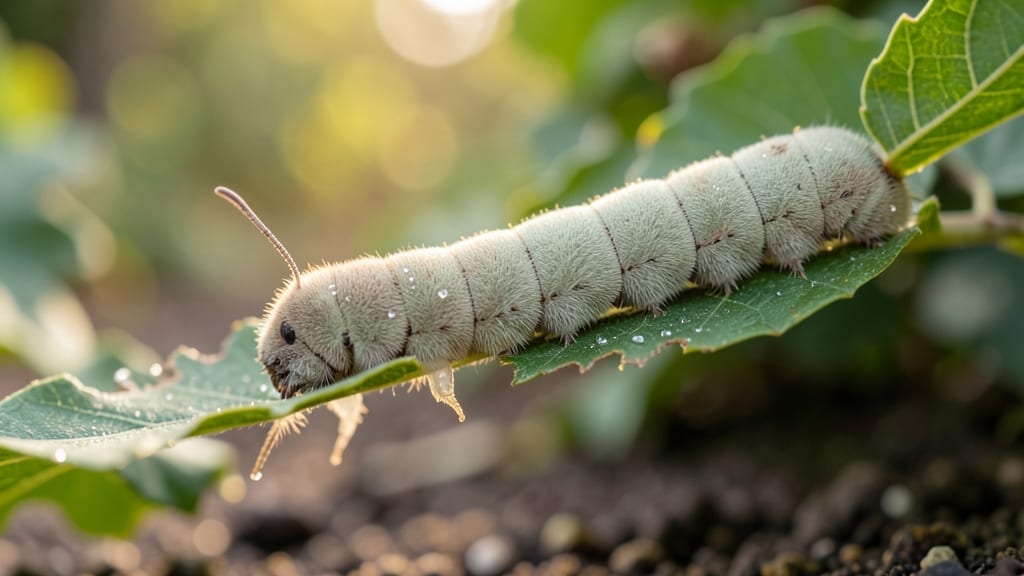
Finding tiny caterpillars tucked inside rolled leaves means your garden’s under siege—but there’s a way to stop them without harsh chemicals. 🌿 These leaf tier caterpillars target citrus, fruit trees, and ornamental shrubs, turning vibrant foliage into skeletonized messes.
The key is acting fast with organic solutions that protect your plants and the ecosystem.
Most damage happens when caterpillars chew through leaves, leaving silky webbing behind. I’ve seen them strip entire branches bare in just a few weeks, but a mix of manual removal, neem oil, and Bacillus thuringiensis (a natural bacteria) keeps them in check without harming bees or butterflies.
The secret? Catching them early before they spin protective cocoons.
Healthy plants are your first line of defense—water deeply, fertilize properly, and prune for airflow. Row covers work wonders for young trees, while regular inspections (especially under leaves) let you spot outbreaks before they explode.
Within 2-3 weeks, you’ll see new growth pushing through, and the caterpillars will be history.
This method works for citrus trees, apple orchards, and even prized roses—no more reaching for toxic sprays. The payoff? Lush foliage, fewer pests next season, and a garden that thrives naturally. Let’s get those leaves unrolled for good.
Root Causes of Caterpillar Infestations
Leaf tier caterpillars—those sneaky, leaf-munching larvae—don’t just appear out of nowhere. Their presence in your garden is usually a direct result of environmental conditions, plant health, or even human activity.
Understanding why these pests target your garden is the first step to preventing them organically. Below, we break down the key factors that invite these tiny troublemakers to your yard.
Caterpillars, including leaf tiers, are drawn to plants that are already struggling. When plants are weak—due to poor nutrition, disease, or environmental stress—they become easier targets for hungry larvae. Here’s why:
- Nutrient Deficiencies: Plants lacking essential nutrients (like nitrogen, phosphorus, or potassium) produce softer, more palatable leaves. Leaf tier caterpillars, such as those from the Archips genus, prefer tender foliage over tough, healthy leaves.
- Disease or Pest Damage: If your plants are already under attack by aphids, mites, or fungal infections, they release chemical signals (like volatile organic compounds) that attract more pests—including caterpillars looking for an easy meal.
- Overwatering or Drought Stress: Both extremes can weaken plants. Overwatered soil leads to root rot and mushy leaves, while drought-stressed plants produce bitter, nutrient-poor foliage—but caterpillars still target them because they’re easier to digest.
Actionable Tip: Keep your plants healthy with balanced fertilization, proper watering (1 inch per week, usually), and regular inspections for early signs of stress or disease. 💡 Healthy plants = less appealing snacks for caterpillars.
Leaf tier caterpillars thrive in specific conditions that mimic their natural ecosystems. If your garden provides the perfect environment, you’ll likely see more of them. Key factors include:
- Warm, Humid Climates: Most leaf tier species (like the Ostrinia nubilalis, or European corn borer) prefer temperatures between 70–85°F (21–29°C). Humidity keeps their eggs and larvae from drying out, speeding up their life cycle.
- Sheltered Areas: Caterpillars avoid open, windy spaces. Dense foliage, thick mulch, or even untrimmed grass provide hiding spots for them to feed undetected.
- Monoculture Plantings: Gardens with large patches of a single plant (e.g., a massive tomato bed) are like all-you-can-eat buffets for caterpillars. Diversity confuses them and reduces their numbers.
Actionable Tip: Create an unfriendly environment by:
- 🌡️ Using row covers or shade cloth to disrupt their preferred temperature range.
- 🌿 Pruning plants to reduce dense hiding spots (especially near the soil).
- 🌱 Planting companion crops (e.g., marigolds, basil, or dill) to break up monocultures.
In a balanced ecosystem, birds, parasitic wasps, and predatory beetles keep caterpillar populations in check. But when these natural predators are missing, leaf tier numbers can explode. Common reasons for this imbalance include:
- Pesticide Overuse: Broad-spectrum chemical pesticides kill both harmful pests and their natural predators (like ladybugs or lacewings). Without these allies, caterpillars reproduce unchecked.
- Habitat Fragmentation: Urban or suburban gardens often lack the biodiversity that supports predator populations. Fewer shrubs, trees, or wildflowers mean fewer nesting spots for birds and shelter for beneficial insects.
- Seasonal Timing: Some predators (like parasitic wasps) emerge later in the season. If caterpillars hatch early, they might avoid detection until it’s too late.
Actionable Tip: Encourage predators by:
- ✨ Avoiding synthetic pesticides and opting for organic controls like neem oil or Bacillus thuringiensis (Bt).
- 🏡 Installing birdhouses, bat boxes, or insect hotels to attract wildlife.
- 🌼 Planting native wildflowers (e.g., alyssum, fennel) to support pollinators and predator populations.
Leaf tier caterpillars have specific life stages that align with seasonal changes. Understanding their timeline helps predict—and prevent—outbreaks:
| Stage | Trigger | When It Happens |
|---|---|---|
| 🥚 Egg Laying | Adult moths seek out young, tender leaves to deposit eggs. | Spring to early summer (peak: May–June in most regions). |
| 🐛 Larval Hatch | Warm soil and fresh foliage signal caterpillars to emerge. | Late spring to early fall (1–2 generations per year). |
| 🌿 Feeding Frenzy | Caterpillars target plants with new growth, often skewering leaves to feed. | June–August (varies by species). |
Actionable Tip: Monitor your garden closely during these windows. Remove egg masses (they look like tiny white clusters on undersides of leaves) and handpick larvae before they cause damage. 🔥 Early intervention = fewer caterpillars later.
Quick Fixes for Garden Munchers
Leaf tier caterpillars may be tiny, but their appetite for your plants can leave a big mess—skeletonized leaves, chewed foliage, and even fruit damage. The good news? You don’t need harsh chemicals to keep them in check.
Below, we break down the most common causes of infestations and pair them with effective, organic solutions to reclaim your garden. Plus, we’ll share prevention tips to stop future outbreaks before they start.
When plants are packed too closely or struggling from poor soil, drought, or disease, they become easier targets for leaf tier caterpillars. Weakened leaves are like an all-you-can-eat buffet for these pests.
🔥 How to Fix It:
- 🍳 Thin Out Plants: Space out seedlings or young plants to improve airflow and reduce humidity (which attracts pests).
- 👨🍳 Boost Plant Health: Feed your garden with compost or organic fertilizer to strengthen foliage. Aim for a balanced NPK ratio (e.g., 5-5-5) for general health.
- 🥘 Water Deeply (But Less Often): Deep watering encourages strong root systems. Avoid overhead sprinkling, which can create damp conditions caterpillars love.
💡 Prevention Tip:
Mulch around plants with straw or wood chips to retain moisture and regulate soil temperature. This keeps plants resilient and less appealing to pests.
Leaf tier caterpillars love fresh, tender leaves—especially on new shoots, flowers, and fruit. If your garden is bursting with young growth, it’s a caterpillar’s paradise.
🔪 How to Fix It:
- ⏰ Prune Strategically: Remove heavily infested leaves or shoots early in the morning when caterpillars are least active. Drop them into a bucket of soapy water to drown them.
- 🌱 Protect Vulnerable Plants: Use row covers (fine mesh fabric) over seedlings or young plants to block egg-laying adults. Secure edges tightly to prevent gaps.
- 🍎 Handpick Larvae: Check undersides of leaves daily (especially in the morning). Drop caterpillars into a jar of soapy water or crush them—no chemicals needed!
💡 Prevention Tip:
Encourage older, tougher leaves by avoiding excessive pruning of mature plants. Hardier foliage is less attractive to leaf tier caterpillars.
Female moths lay eggs in clusters on the undersides of leaves, and those caterpillars emerge ready to feast. If you spot tiny white eggs or newly hatched larvae, act fast!
🔥 How to Fix It:
- 🌡️ Scrape Off Eggs: Use a soft brush or damp cloth to gently remove egg clusters. Dispose of them in sealed bags or soapy water.
- 🎯 Apply Neem Oil: Spray neem oil solution (1 tsp neem oil + 1 quart water + a drop of dish soap) on leaf undersides. This smothers eggs and deters adult moths from laying more.
- 🌿 Introduce Beneficial Insects: Ladybugs, lacewings, and parasitic wasps (like Trichogramma) eat leaf tier eggs and larvae. Purchase them from garden centers or attract them with native plants like dill, fennel, or yarrow.
💡 Prevention Tip:
Install sticky traps with pheromones near your garden to catch adult moths before they lay eggs. Replace traps every 2–3 weeks for best results.
Leaf litter, dead plants, and garden debris create perfect hiding spots for caterpillars and their eggs. A messy garden = a caterpillar hotel.
🔥 How to Fix It:
- 🧹 Clear Debris Regularly: Rake up fallen leaves, old mulch, and plant waste from garden beds. Compost only clean, pest-free material.
- 🌿 Rotate Crops: Avoid planting the same susceptible plants (like brassicas or fruit trees) in the same spot yearly. Caterpillars overwinter in soil—disrupt their cycle!
- 🍄 Use Beneficial Fungi: Apply Beauveria bassiana (a natural fungus) to soil and foliage. It infects caterpillars without harming plants or pollinators.
💡 Prevention Tip:
Mulch with cedar chips or pine needles—their natural oils repel some pests, including leaf tier caterpillars.
With these targeted fixes, you can eliminate current infestations and prevent future ones—all while keeping your garden thriving and chemical-free. 🌱✨
Frequently asked questions
What do leaf tier caterpillar damage look like on my plants?
Look for small, irregular holes or "windows" in leaves, silky webbing between leaf folds, and tiny green/black caterpillars hiding inside curled leaves. They often target young, tender foliage first, leaving behind skeletonized leaves that look like lace. Check undersides of leaves daily during peak seasons (spring to early summer).
Are leaf tier caterpillars harmful to humans or pets?
No, they pose no direct threat to humans or pets. While their larvae can cause significant plant damage, the caterpillars themselves aren't poisonous or harmful when touched. The real concern is their impact on your garden's health and appearance. Always wear gloves when handling infested plants to avoid skin irritation from plant sap.
How long does it take for organic treatments like neem oil to work?
Neem oil typically shows results within 24-48 hours for deterring adult moths, but may take 3-5 days to fully smother eggs and young larvae. For best results, reapply every 7-10 days during active seasons. Combine with handpicking for faster control—this two-pronged approach works best against established infestations.
Can I use Bacillus thuringiensis (Bt) on edible plants?
Yes, Bt is completely safe for edible plants and humans when used as directed. This natural bacteria targets only caterpillar larvae in their digestive systems, breaking down their gut linings. Apply it in the evening when bees are less active, and reapply after rain. It's especially effective for organic gardens and works within 24-72 hours of application.
Why do I keep seeing new caterpillars even after treatment?
This usually means you're dealing with multiple generations or adult moths continuing to lay eggs. Check for egg masses (tiny white clusters) on leaf undersides and remove them immediately. Also verify your treatment coverage—some caterpillars hide in protected areas. Increase monitoring frequency during peak seasons and consider adding beneficial insects like parasitic wasps to your control strategy.